
APEX EcoBuilt
الشركة الرائدة في تصنيع أنظمة الألمنيوم والمساكن المعيارية
APEX EcoBuilt
الشركة الرائدة في تصنيع أنظمة الألمنيوم والمساكن المعيارية
 18 يونيو، 2026الصناعة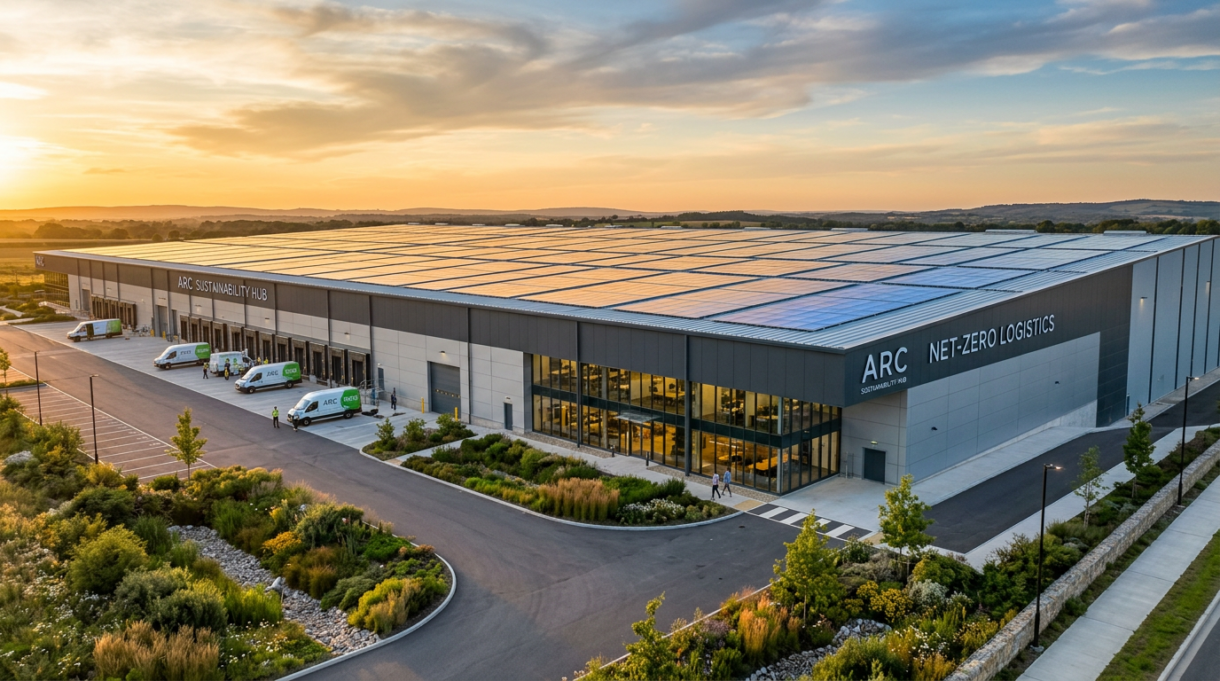
يستغرق بناء مستودع صافي الصفر بمساحة تتراوح بين 15,000 و25,000 متر مربع عادةً من 11 إلى 14 شهرًا من بدء الأعمال الإنشائية حتى التسليم التشغيلي، ويكلف 8-14% أكثر من البناء التقليدي — وهو علاوة تُسترد خلال 6-9 سنوات من خلال توفير الطاقة وتعريفات التصدير. المتغير الحقيقي ليس الهيكل؛ بل مدى سرعة تأمين أداء الغلاف، وحجم مصادر الطاقة المتجددة، ونطاق أعمال التجهيزات الميكانيكية والكهربائية والسباكة (MEP). إذا أخطأت في هذه القرارات الثلاثة، فسيتأخر جدولك الزمني بمقدار ربع سنة بسهولة.
انسَ التسويق. في بناء اللوجستيات، يعني صافي الصفر أن المبنى يولد سنويًا على الأقل قدرًا من الطاقة المتجددة يعادل ما يستهلكه من التدفئة والتبريد والإضاءة وأحمال المقابس — مقاسًا بالكيلوواط/ساعة، وليس تقديرات الكربون. هذا هو صافي الصفر التشغيلي. الكربون المُجسَّد (الصلب والخرسانة والألومنيوم الذي بنيت به) هو دفتر حسابات منفصل لا يزال معظم العملاء يتعاملون معه كخيار إضافي.
هذا التمييز مهم لأن تأثير التكلفة والجدول الزمني يكمن في أماكن مختلفة. صافي الصفر التشغيلي يعتمد على إحكام الغلاف، وكفاءة أنظمة التدفئة والتهوية وتكييف الهواء (HVAC)، وحجم الألواح الشمسية. صافي الصفر المُجسَّد يدفعك نحو الخرسانة منخفضة الكربون، والألومنيوم المعاد تدويره، والخشب الرقائقي المتقاطع — وكلها تزيد من وقت التوريد.
لمقارنة عادلة بين الأساليب الهيكلية، مقالنا السابق عن توفير الكربون في البناء البيئي المعياري مقابل التقليدي يشرح بالتفصيل حسابات الكربون المُجسَّد.
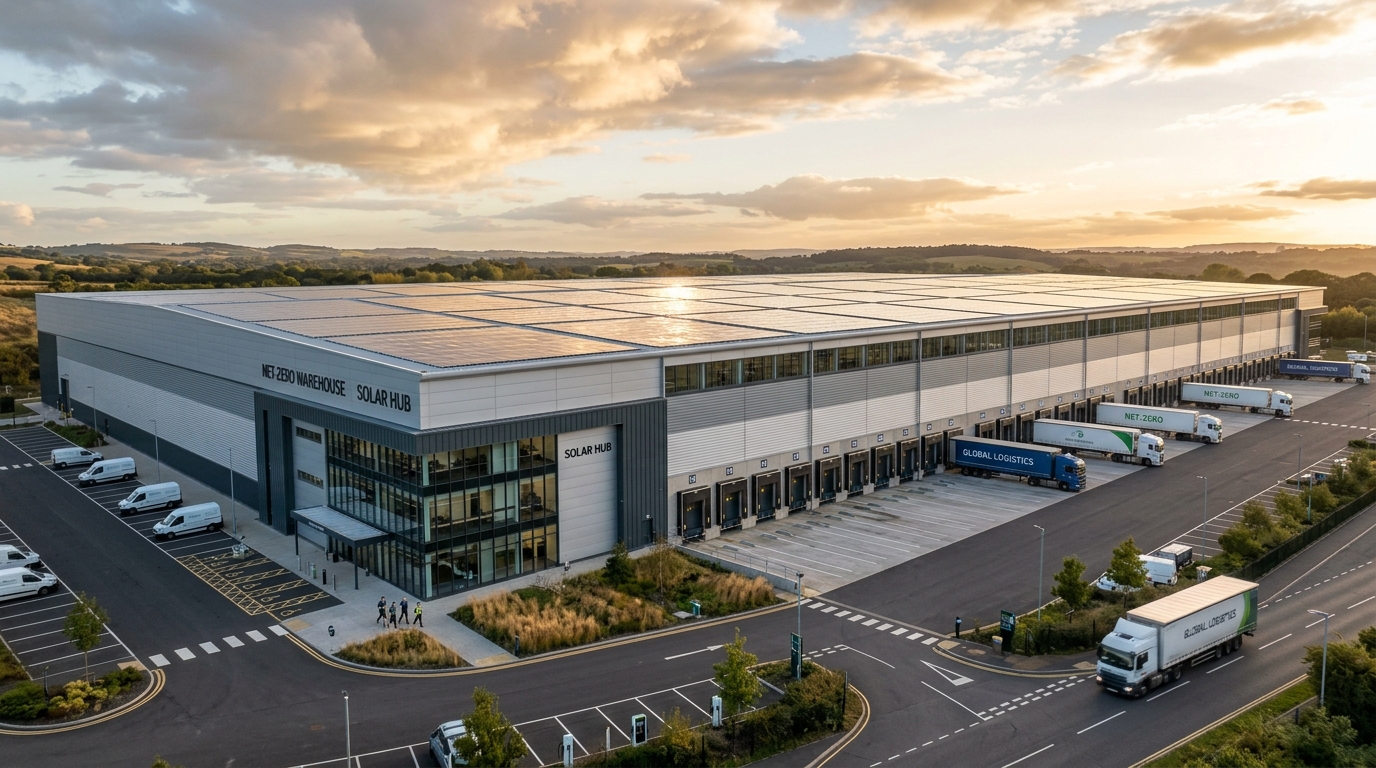
إليك كيف يبدو الجدول الزمني الفعلي لمركز توزيع بمساحة 20,000 متر مربع صافي الصفر، بناءً على مشاريع نُفذت في جنوب شرق آسيا والخليج:
المستودعات التقليدية من نفس الحجم غالبًا ما تُنجز في 10–12 شهرًا لأنها تتخطى عمق التشغيل التجريبي وتكامل الطاقة المتجددة. أنت لا تبني بشكل أبطأ — بل تبني بشكل أكثر شمولية.
في بناء حديث بمساحة 18,000 م²، بلغت علاوة التكلفة الإجمالية مقارنة بالخط الأساسي التقليدي 11.3%. وإليك تفصيل ذلك:
لاحظ ما لا يؤثر في النتيجة: رسوم الشهادة والمواد منخفضة الكربون. ما يؤثر فيها: PV والغلاف. وهو بالضبط ما تميل هندسة القيمة إلى مهاجمته أولاً — وبالضبط حيث لا ينبغي السماح بذلك. خفض سعة PV وتفقد وضع صفرية الانبعاثات. خفض أداء الغلاف وسيضطر PV إلى العمل بجهد أكبر إلى الأبد.
للاطلاع على سياق محركات التكلفة الخاصة بالألومنيوم عبر نطاق الغلاف، صفحة manufacturing capabilities توضح كيف يضغط البثق والتجميع المتكاملان على هذا البند.
قام مشغل تجارة إلكترونية إقليمي في الإمارات بتكليف مركز تنفيذ صافي الانبعاثات الصفرية في عام 2024. الأهداف: LEED الذهبي، صافي الانبعاثات الصفرية التشغيلي بحلول العام الثاني، درجة حرارة تصميم صيفية 40 درجة مئوية. إليكم ما حدث بالفعل.
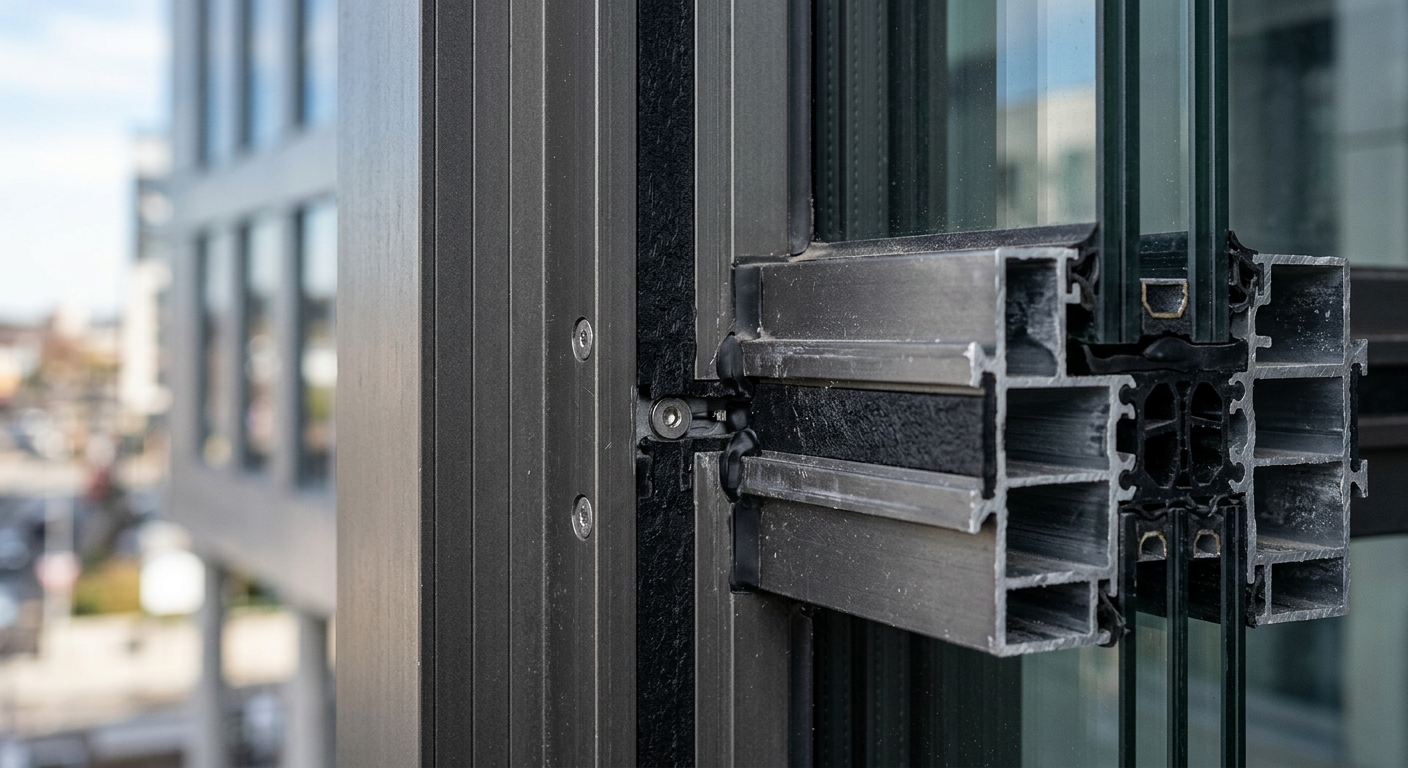
ما نجح: قاموا بتثبيت مقاول الطاقة الشمسية الكهروضوئية ومورد الغلاف في مرحلة التصميم بحلول الشهر الثاني. حضر كلاهما مكالمات تنسيق أسبوعية. تم تصميم التحميل الهيكلي للسقف لاستيعاب 1.8 ميجاوات ذروة من اليوم الأول - دون عقوبة التعديل التحديثي. استخدم نظام الجدار الألومنيوم فاصل حراري 32 ملم وحقق معامل نقل حراري U-value قدره 0.17 واط/م²ك، مما قلل أحمال التبريد بنسبة 28% مقارنة بمنشأتهم السابقة.
ما لم ينجح: تم شراء مكامل نظام إدارة المباني BMS متأخرًا (الشهر الثامن). لم تتطابق شبكة أجهزة الاستشعار الخاصة به مع خطة القياس والتحقق M&V، لذا استغرق التشغيل 11 أسبوعًا بدلاً من 6 أسابيع المدرجة في الميزانية. أظهرت بيانات الطاقة للسنة الأولى فجوة بنسبة 9% عن صافي الانبعاثات الصفرية - تم إغلاقها في العام الثاني بعد إعادة ضبط الجداول الزمنية واستبدال 12 مانع تسرب متسرب لأبواب الرصيف.
الدرس المستفاد: كانت الأجهزة جيدة. كانت طبقة البيانات هي المشكلة. حدد نطاق BMS وM&V في نفس حزمة HVAC، وليس بعد ذلك.
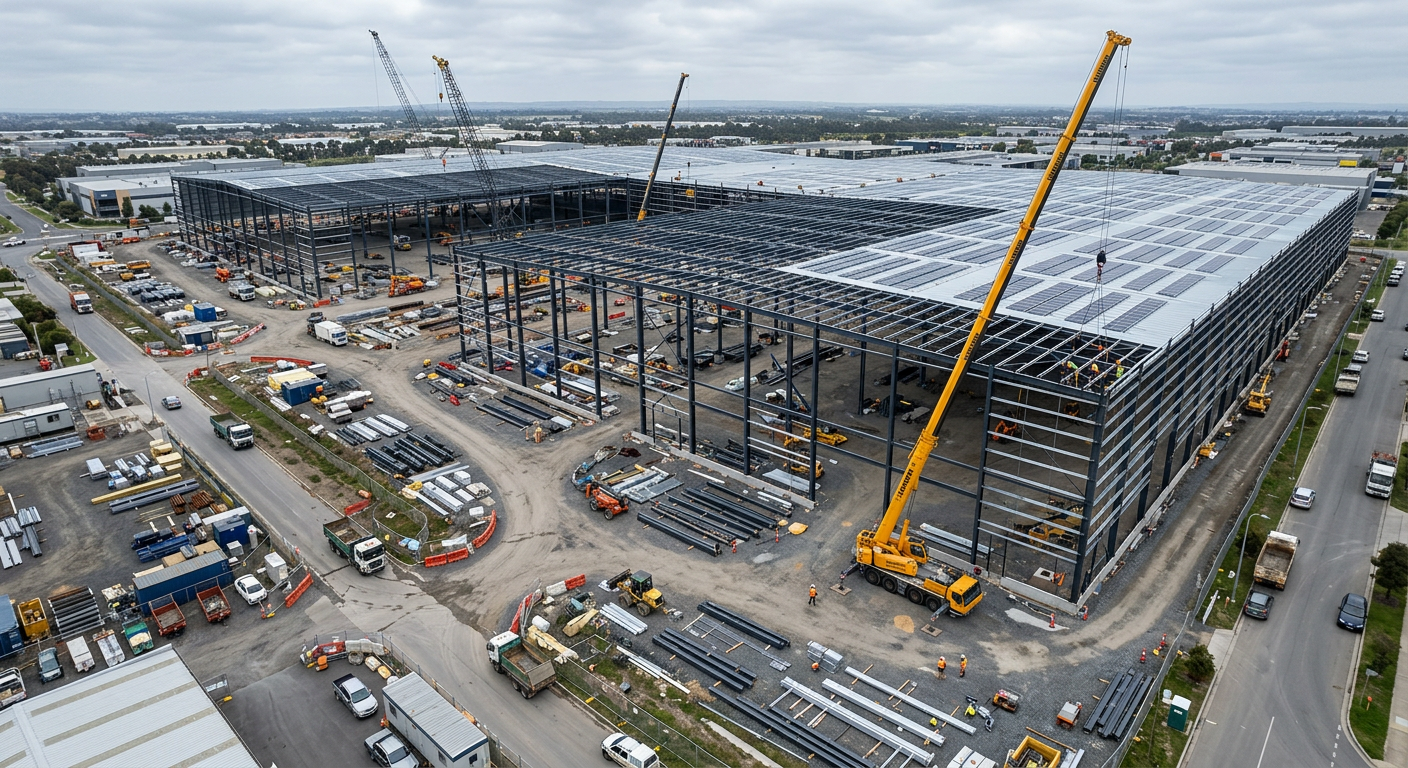
الغلاف هو الرافعة الأكبر لديك. احصل عليه بشكل صحيح وسيتقلص نظام HVAC لديك، وتتقلص مجموعة الطاقة الشمسية الكهروضوئية، وتنخفض تكلفة التشغيل لمدة 30 عامًا. ثلاثة تفاصيل تستحق اهتمامًا دقيقًا:
تنقل مقاطع الألومنيوم القياسية الحرارة كما لو كانت وظيفتها. يمكن لفاصل حراري من البولي أميد مصمم بشكل صحيح (24 ملم كحد أدنى في المناخات الحارة، 32 ملم+ للحرارة الشديدة) أن يخفض معامل نقل الحرارة U-value للإطار من 5.8 إلى 1.4 واط/م²ك. هذا ليس خطأ تقريبًا - إنه الفرق بين مبنى صافي الانبعاثات الصفرية ومبنى زائد 20%.
استهدف 1.5 متر مكعب/ساعة/م² عند 50 باسكال أو أفضل. غالبًا ما تختبر المستودعات التقليدية عند 5-8. كل تخفيض في التسرب إلى النصف يقلل عادةً من طاقة HVAC بنسبة 10-15%. اختبر المبنى باختبار مروحة الباب عند اكتمال الغلاف - وليس بعد التسليم، عندما تكون الإصلاحات أغلى بخمس مرات.
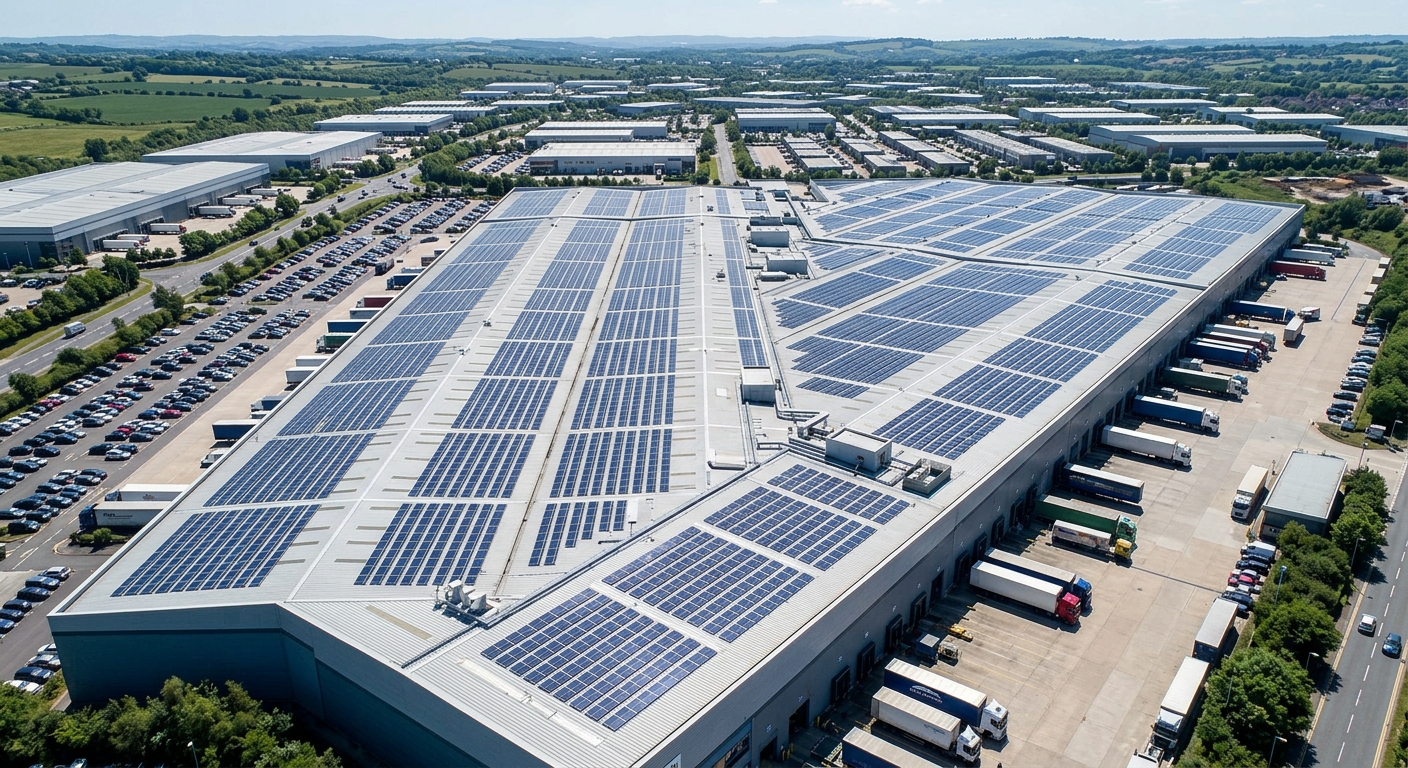
سقفك هو عازل ومحطة طاقة في آن واحد. حدد قضبان تركيب الألواح الكهروضوئية في مرحلة التصميم الإنشائي. تتراوح عقوبات التعديلات اللاحقة بين 15–25% أعلى من التركيبات المتكاملة، وستقوم بحفر ثقوب في غشاء العزل المائي — وهو أمر غير جيد أبدًا.
للحصول على تفاصيل خاصة بالمناخات الحارة، دليلنا حول مواصفات الجدران الستارية لمناخات الشرق الأوسط يغطي المفاضلات المتعلقة بالفواصل الحرارية والزجاج بعمق.
إليك قاعدة عامة رأيناها تنطبق عبر أربعة مناخات: قم بحجم الألواح الكهروضوئية بنسبة 120% من الطلب السنوي النموذجي. ليس 100%. لماذا؟
لمستودع بمساحة 20,000 متر مربع يعمل 24/5 في مناخ معتدل، يصل ذلك عادةً إلى 1.4–1.6 ميجاواط ذروة. في المناخات الحارة ذات أحمال التبريد الثقيلة، ارفع إلى 1.8–2.2 ميجاواط ذروة. تخزين البطاريات لا يزال قرارًا قائمًا على تقييم التكلفة والفائدة — بالأسعار الحالية، إضافة 500 كيلوواط ساعة من التخزين يضيف حوالي 3% إلى التكلفة الإجمالية للمشروع وعادةً لا يكون مجديًا ما لم يكن هيكل التعريفة المحلية يحتوي على فروق بين أوقات الذروة وخارجها تزيد عن 2.5 مرة.
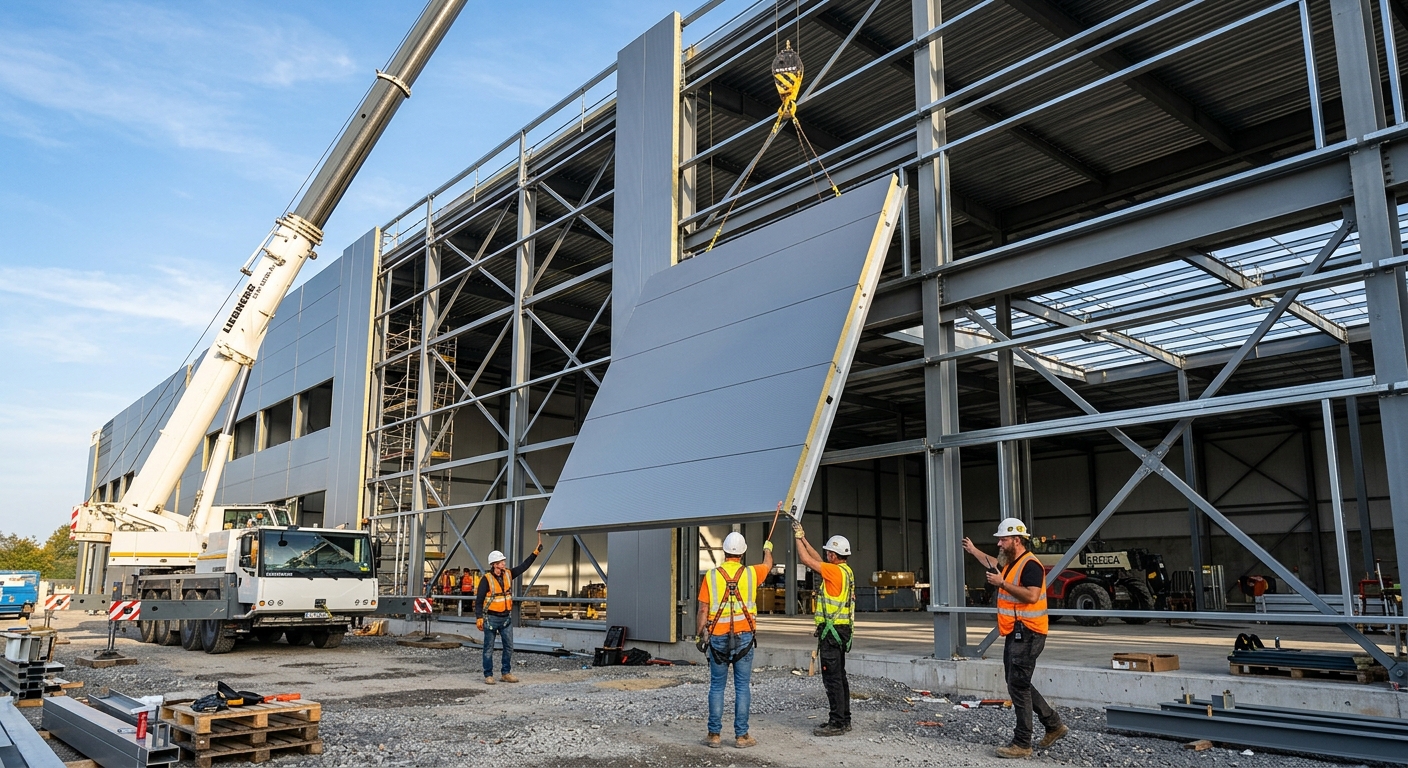
هل تريد تقليص 2–3 أشهر من الجدول الزمني؟ قم بتصنيع الغلاف ووحدات الميكانيكا والكهرباء والسباكة مسبقًا خارج الموقع. يمكن لألواح الجدران الستارية المصنوعة من الألومنيوم الموحد، والغرف الكهربائية الموصلة مسبقًا، ومنصات التدفئة والتهوية وتكييف الهواء المجمعة مسبقًا أن تقلل البناء في الموقع بنسبة 20–30% مع تحسين مراقبة الجودة.
المشكلة: البناء المعياري يتطلب تجميد التصميم في وقت مبكر. تفقد القدرة على تغيير الرأي في الشهر السادس. للمطورين الذين يشعرون بالراحة مع هذه المقايضة، فإن فوائد الجدول الزمني وتقليل النفايات كبيرة — لقد رأينا أنظمة الغلاف المصنعة في المصنع تقلل نفايات الموقع بنسبة 40% وتزيل مخاطر تأخير الطقس في أعمال الكسوة ذات المسار الحرج.
مرفق تخزين بارد بمساحة 12,000 متر مربع قمنا بتوريده في عام 2023 استخدم ألواح جدران ألومنيوم معزولة مسبقة الصنع تم تركيبها بمعدل 600 متر مربع يوميًا - مقارنة بـ 180-220 متر مربع يوميًا للأنظمة المبنية في الموقع. إجمالي وقت تغليف المبنى: 4 أسابيع بدلاً من 11. وهذا وحده وفر للمطور شهرين إيجار مجاني على عقد الإيجار.
استكشف المزيد من حالات الاستخدام على التطبيقات و المشاريع صفحات.
أشياء لن تخبرك بها أي ورقة مواصفات:
المستودعات صافية الصفر لم تعد غريبة - إنها نسخة منضبطة من البناء الجيد. الجدول الزمني أطول قليلاً فقط، وعلاوة التكلفة حقيقية ولكنها قابلة للاسترداد، وتتضاعف مكاسب الأداء لعقود. المشاريع الناجحة تشترك في ثلاث سمات: التكامل المبكر لقرارات الغلاف، والطاقة الشمسية، وMEP؛ والتشغيل الصارم؛ وخطة M&V صادقة بعد التسليم.
إذا كنت تخطط لمنشأة تتراوح مساحتها بين 10,000 و50,000 متر مربع وترغب في اختبار ميزانيتك أو مواصفات الغلاف أو الخيارات المعيارية مقابل بيانات مشاريع حقيقية، تواصل مع فريقنا. نحن نعمل مع المطورين ومشغلي الخدمات اللوجستية في أكثر من 80 دولة لتقديم حلول بناء متكاملة من الألومنيوم والوحدات المعيارية — بدءًا من دعم التصميم وصولاً إلى الإنتاج في المصنع والتسليم. قدّم قيودك، وسنقدم الأرقام.




Arabic

English

Spanish
املأ النموذج أدناه وسيعود فريقنا إليك خلال 24 ساعة بحلول مخصصة.
