APEX EcoBuilt
الشركة الرائدة في تصنيع أنظمة الألمنيوم والمساكن المعيارية
APEX EcoBuilt
الشركة الرائدة في تصنيع أنظمة الألمنيوم والمساكن المعيارية
 22 يونيو، 2026المعرفة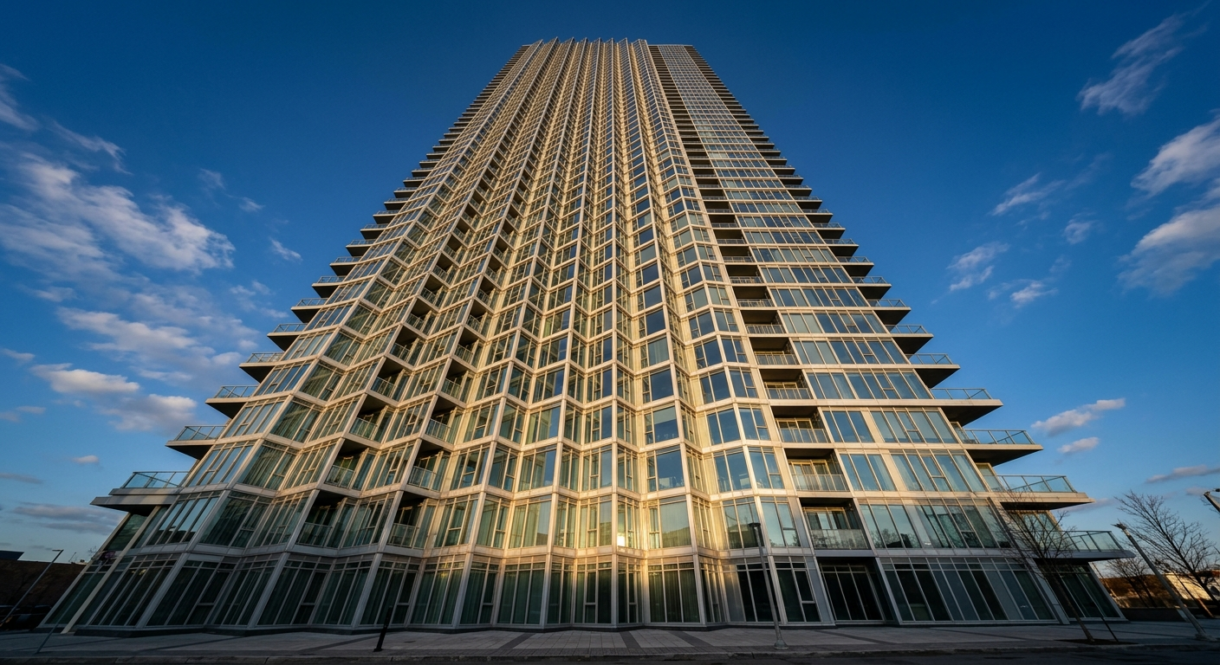
بالنسبة للأبراج السكنية الشاهقة، يجب طلب نوافذ تم اختبارها لتحمل حمولة رياح لا تقل عن 3600 باسكال، ومقاومة للماء 600 باسكال، ونفاذية هواء من الفئة 4، وقيمة U أقل من 1.4 واط/م²·ك، وتصنيف صوتي Rw يبلغ 38 ديسيبل أو أعلى — أي شيء أقل هو مطالبة ضمان مستقبلية تنتظر الحدوث. الخطأ الذي يرتكبه معظم المطورين هو تحديد النوافذ بنفس الطريقة التي يحددون بها مبنى من ستة طوابق، ثم يتساءلون لماذا يتسرب الطابق 35 خلال أول موسم أمطار. تعيش الزجاجيات في المباني الشاهقة في بيئة فيزيائية مختلفة تمامًا، ويجب أن تعكس ورقة المواصفات ذلك.
يمكن أن يكون ضغط الرياح على ارتفاع 100 متر أعلى بـ 3-4 مرات من المستوى الأرضي. هذه الحقيقة الواحدة تعيد كتابة كل رقم آخر في ورقة المواصفات — عمق الإطار، سمك الزجاج، ضغط الحشية، تصميم المرساة، وحتى البراغي.
النافذة التي تؤدي بشكل جميل في وحدة على مستوى القاعدة ستهتز وتصفر وتتسرب في أعلى برج مكون من 40 طابقًا. كما تشهد الزوايا والثلث العلوي من أي مبنى طويل تأثيرات رياح متسارعة يمكن أن تضاعف الضغط الموضعي. لذا عندما يقتبس لك مصنع نافذة ألومنيوم سكنية عامة، يجب أن يكون السؤال الأول: تم اختبارها لأي ضغط، وفي أي طابق من أي مبنى مرجعي؟
المطورون الذين يتخطون هذه الخطوة ينتهي بهم الأمر بالدفع مرتين — مرة للتركيب الأصلي، ومرة أخرى لمعالجة الواجهة بعد 18 شهرًا. لقد غطينا السياق الأوسع للواجهة في حسابات حمولة الرياح للجدار الساتر، وينطبق نفس المنطق على فتحات النوافذ المثقوبة.
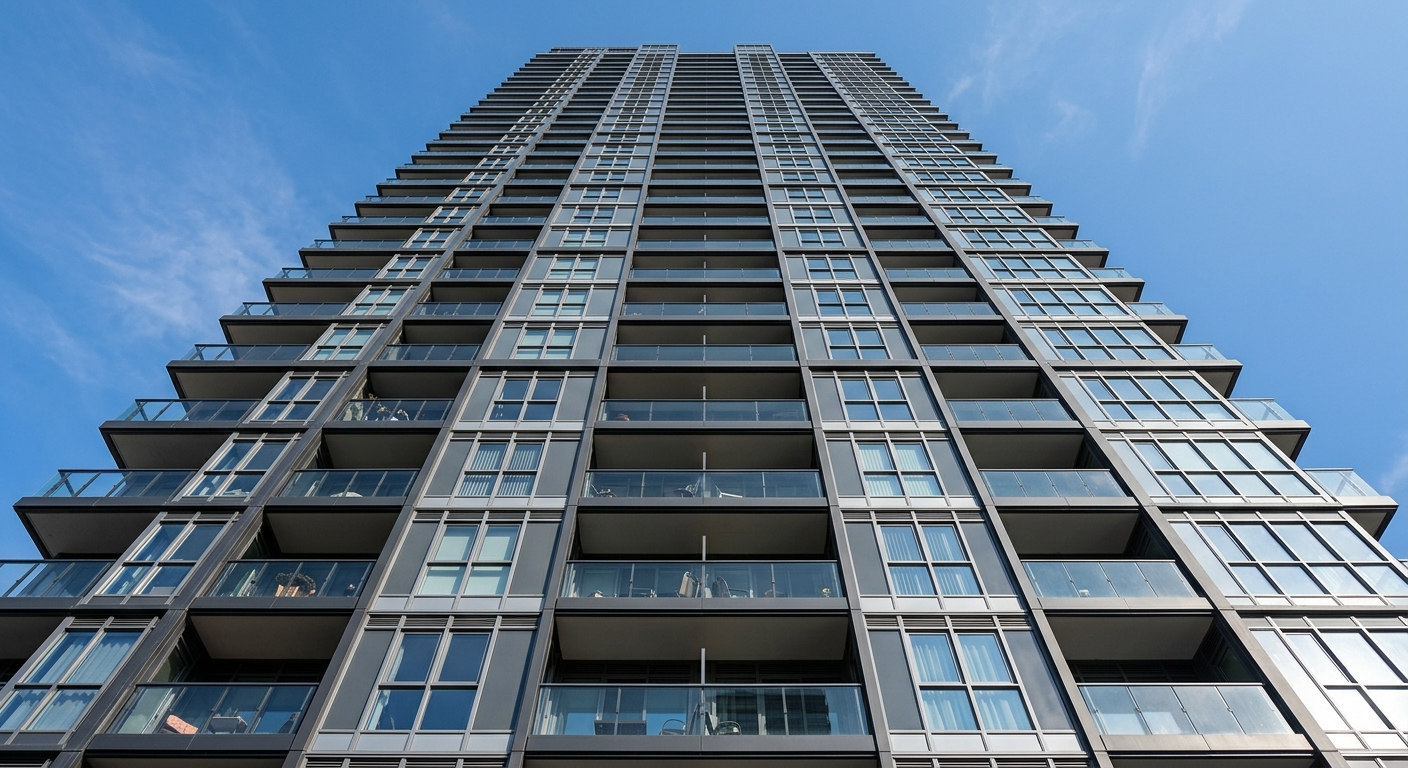
حمولة الرياح الهيكلية (P1، بالباسكال) هي المواصفة الأكثر أهمية في ورقة بيانات النوافذ للمباني الشاهقة. للأبراج التي تزيد عن 20 طابقًا في ظروف ساحلية أو أرض مفتوحة نموذجية، 3600 باسكال هو الحد الأدنى. لساحل الخليج، مناطق الأعاصير، أو أي شيء يزيد عن 40 طابقًا، 4800-5000+ باسكال هو واقعي.
إليك ما يتحكم فيه هذا الرقم فعليًا:
مثال واقعي: مطور في دبي يبني برجًا من 52 طابقًا حدد في الأصل نوافذ بضغط 2400 باسكال. كشف اختبار نفق الرياح عن ضغوط زاوية تبلغ 4200 باسكال. أضافت إعادة التصميم تقوية فولاذية وزادت عمق الإطار من 65 مم إلى 95 مم — بزيادة تكلفة 14% حالت دون دعوى قضائية بملايين الدولارات تتعلق بالواجهة.
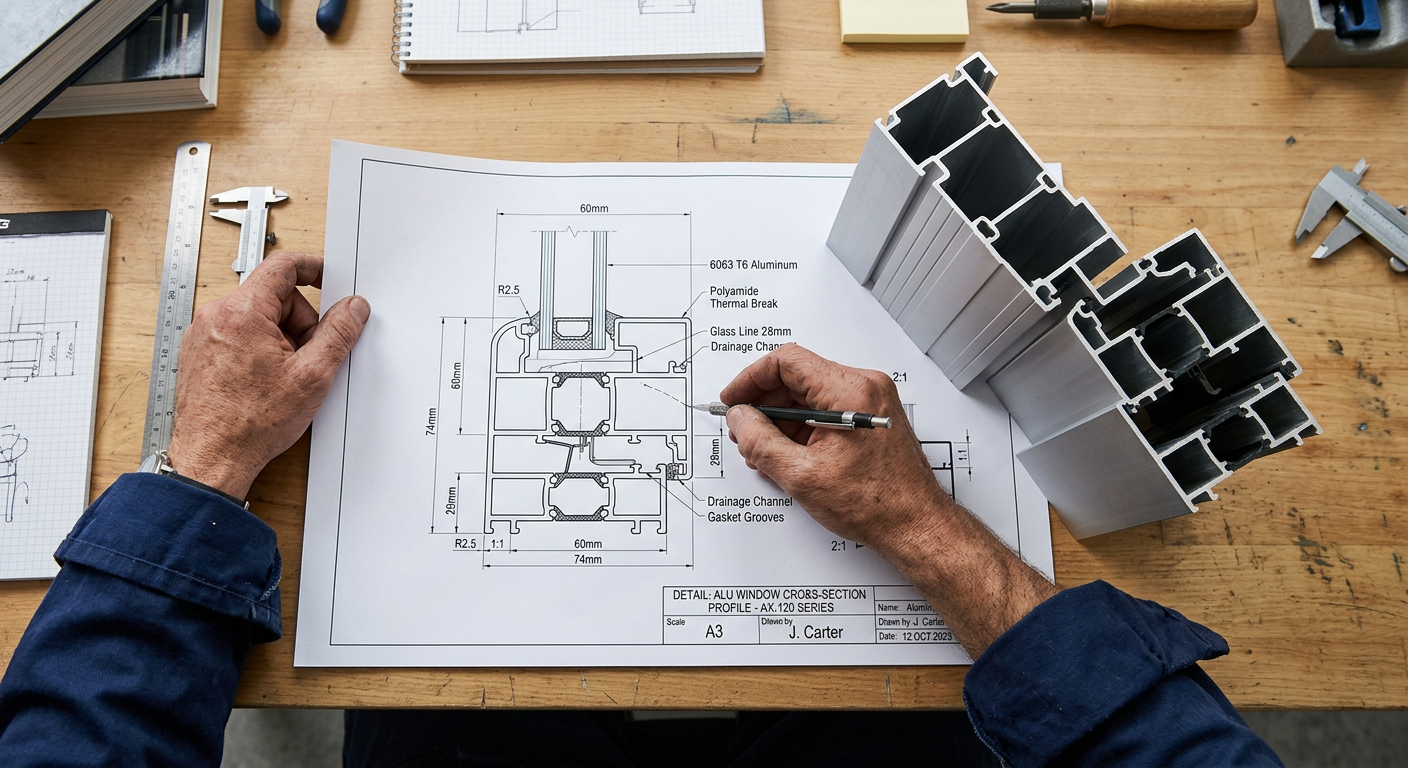
تُختبر مقاومة الماء وفقًا لمعيار EN 1027 أو AAMA 501 وتُبلغ كالضغط الذي تبدأ عنده النافذة بالتسرب. بالنسبة للمباني السكنية الشاهقة، فإن 600 باسكال هو الحد الأدنى العملي لأن الأمطار المصحوبة بالرياح مع ضغط الرياح على المباني العالية تتجاوز بانتظام 450 باسكال.
ما يميز نافذة 300 باسكال عن نافذة 900 باسكال ليس الزجاج — بل بنية التصريف. ابحث عن:
وصلة حشية الزاوية هي مصدر 80% من التسريبات. الزوايا المفلكنة أو المقولبة تكلف أكثر، لكنها الفرق بين نافذة محكمة الإغلاق واستدعاء للإصلاح. نتعمق أكثر في نمط الفشل هذا في لماذا يحدث تسرب المياه في الجدار الستائري — المنطق التشخيصي مماثل للنوافذ المثبتة بفتحات.
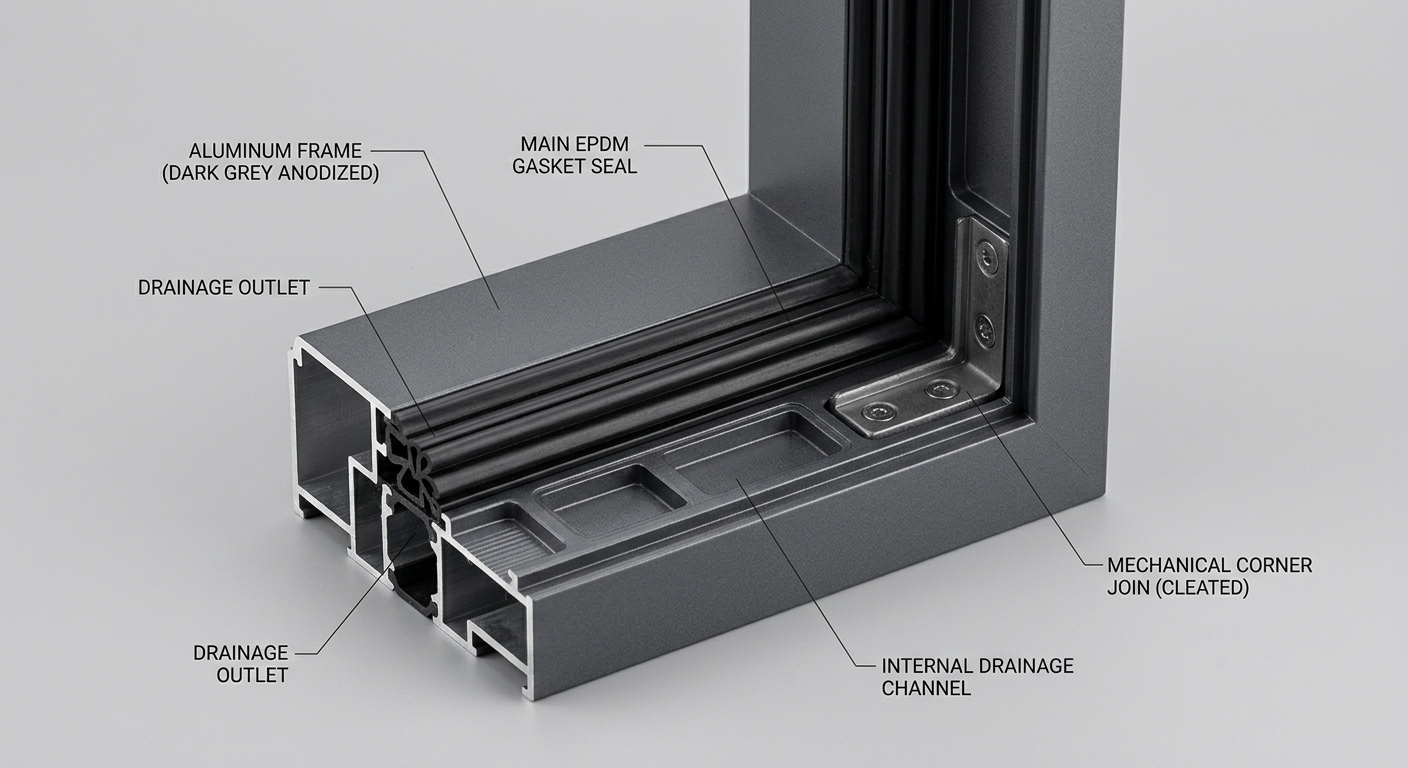
يُقاس تسرب الهواء بوحدة متر مكعب في الساعة لكل متر من طول الوصلة عند ضغط معين (يصنف EN 12207 هذا من الفئة 1 إلى الفئة 4). بالنسبة للمباني السكنية الشاهقة، الفئة 4 غير قابلة للتفاوض. الفرق بين الفئة 3 والفئة 4 هو انخفاض في التسلل بنحو 60% — وهو ما يُترجم في برج سكني مساحته 30,000 متر مربع إلى انخفاض في حمل التدفئة والتهوية وتكييف الهواء بنحو 8–12% على مدى عمر المبنى.
أين يتسرب الهواء فعليًا:
أجهزة القفل متعددة النقاط (4–6 نقاط قفل حول محيط الإطار) هي الترقية الأقل تكلفة مع أكبر عائد في إحكام الهواء. أقفال الكاميرا أحادية النقطة تناسب المباني المنخفضة ذات الميزانية المحدودة — لا تُستخدم أبدًا فوق 15 طابقًا.
استهدف قيم U للنافذة بالكامل (Uw) عند أو أقل من 1.4 واط/م²·ك للمباني السكنية الشاهقة في المناخات المعتدلة، و1.8 للمناطق الجافة الحارة حيث يكون التحكم الشمسي أكثر أهمية. الرقم الموجود في الكتيب عادةً ما يكون قيمة U لمركز الزجاج — تجاهله. المهم هو Uw، الذي يشمل الإطار والفاصل وتأثيرات الحواف.
الفاصل الحراري هو الشريط العازل المصنوع من البولي أميد داخل المقطع الألومنيومي الذي يفصل الجزء الداخلي عن الجزء الخارجي. بالنسبة للمباني الشاهقة:
لماذا يهم هذا أكثر من فواتير الطاقة؟ التكثف. إطار ذو فاصل حراري ضعيف سيشكل قطرات ماء على سطحه الداخلي خلال الشتاء — يظهر العفن الأسود في غضون عام. لقد رأينا هذا يقتل قيم إعادة البيع في أبراج سكنية بأكملها. الفيزياء الحرارية وراء ذلك موضحة في الجسور الحرارية المخفية التي تقتل أداء الطاقة.
بالنسبة للمباني السكنية الشاهقة في المناطق الحضرية — في أي مكان يبعد 500 متر عن طريق سريع أو مسار طيران مطار أو منطقة تجارية — استهدف Rw ≥ 38 ديسيبل، مع Rw + Ctr ≥ 33 ديسيبل. أقل من ذلك، يشتكي السكان. فوق 42 ديسيبل، تدخل منطقة الرفاهية ويصبح منحنى التكلفة حادًا.
الحيلة: الأداء الصوتي يعتمد على كتلة الزجاج وعدم التماثل، وليس الإطار الألومنيوم. زجاج مصفح 6 مم + 12A + 8.8.4 يتفوق على الزجاج المتماثل 6+12A+6 بمقدار 5–6 ديسيبل عند نفس السماكة، ببساطة لأن الزجاج غير المتماثل يعطل تردد التطابق.
في تطبيق واقعي: مطور يبني برجًا سكنيًا بجوار خط مترو حدد زجاجًا خارجيًا مصفحًا 6.6.4 PVB مع زجاج داخلي صلب 8 مم — Rw 42 ديسيبل، Ctr -3، إجمالي Rw+Ctr 39 ديسيبل. أفاد السكان أنهم لا يسمعون القطارات. كانت تكلفة الوحدة الإضافية مقارنة بالزجاج المزدوج القياسي حوالي 11%.
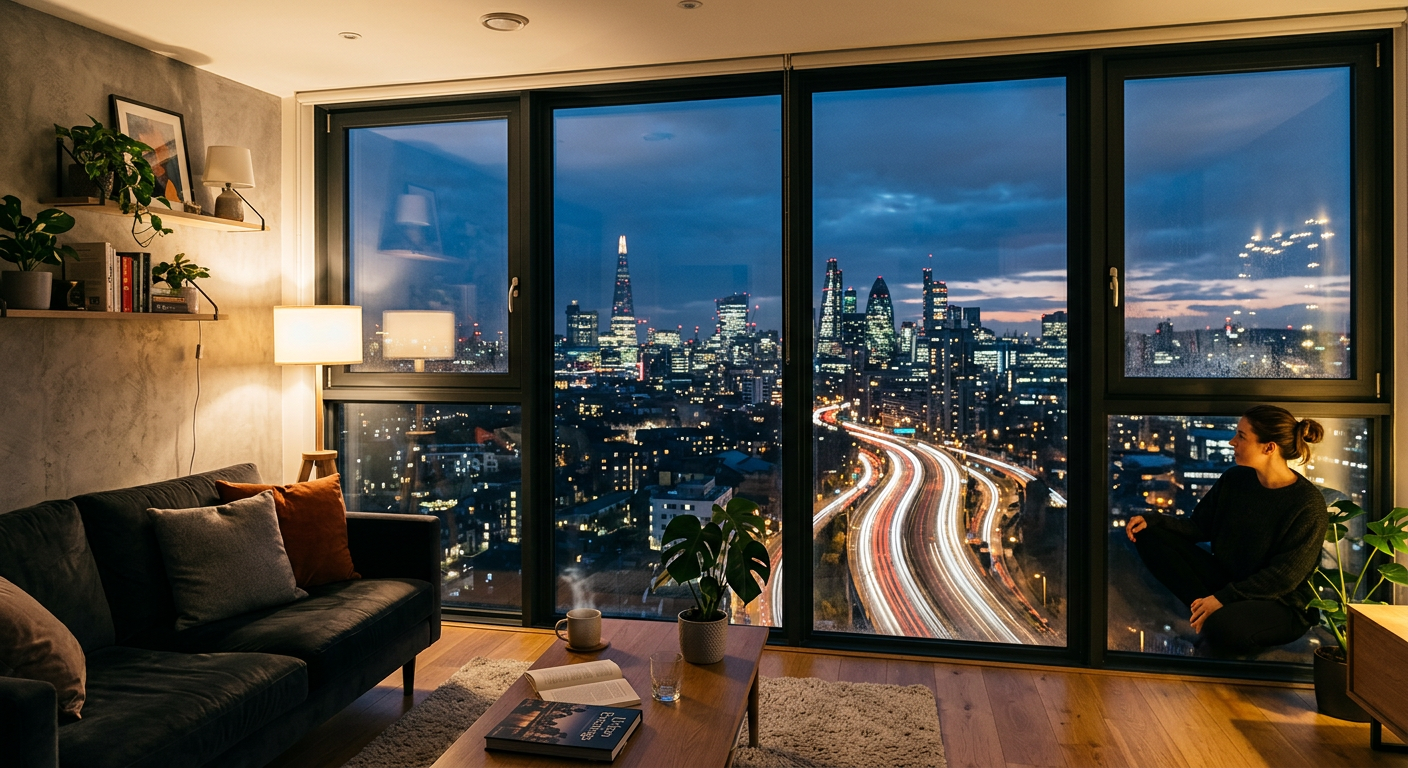
نظام الإمالة والدوران هو النوع الافتراضي للتشغيل في المباني السكنية الشاهقة في أوروبا وبشكل متزايد في آسيا لسبب وجيه. فهو يغلق على حشية مستمرة بأجهزة تسحب الوشاح بإحكام عند 4–6 نقاط، محققًا فئة إحكام هواء 4 دون عناء.
تجنب هذه الأنواع في المباني الشاهقة إلا إذا كانت ضرورية للغاية:
الوحدات الثابتة (غير القابلة للتشغيل) المقترنة بفتحة إمالة ودوران واحدة لكل غرفة معيشة هي النمط الأكثر موثوقية. تحافظ على الضوء الطبيعي، وتقلل تكلفة الأجهزة، وتقلل بشكل كبير من مساحة الأعطال.
لا تقبل ورقة بيانات الشركة المصنعة بقيمتها الظاهرية. اطلب تقارير الاختبار الأصلية من طرف ثالث — وليس فقط ملخص الصفحة الأولى.
الأهم من ذلك، تحقق من أن العينة المختبرة تطابق الحجم والتكوين الذي تشتريه. النافذة التي تم اختبارها بأبعاد 1.2 م × 1.5 م لا تعتمد تلقائيًا وحدة بأبعاد 2.4 م × 2.7 م — الأداء يتدهور بشكل غير خطي مع الحجم. ندرج باقي مصائد التوثيق في التكاليف الخفية لشراء الألمنيوم من الخارج.
نوافذ المباني الشاهقة تتعرض للأشعة فوق البنفسجية المباشرة لعقود. تحدد معالجة سطح الألمنيوم ما إذا كانت الواجهة لا تزال تبدو جديدة في العام العشرين أم تصبح سببًا لرسوم التجديد.
للمباني السكنية الشاهقة، تعتبر طلاءات PVDF (القائمة على Kynar 500) المعيار — 70% راتنج PVDF مع معالجة أولية مناسبة يحقق احتفاظًا بالألوان لأكثر من 20 عامًا مع أقل طباشير. الطلاء المسحوق (فئة الشاطئ من Qualicoat) مقبول في البيئات غير الساحلية. الأكسدة الأنودية توفر أفضل مقاومة للتآكل ولكنها تحد من خيارات الألوان.
التحليل الكامل لمتى تستخدم كل تشطيب موجود في دليلنا الطلاء المسحوق مقابل PVDF مقابل الأكسدة الأنودية — قراءة إلزامية قبل تثبيت المواصفات.
أرخص طريقة للحصول على نوافذ جيدة هي كتابة مواصفات محكمة قبل أن يرى أي مورد المشروع. طلب عرض أسعار غامض يدعو كل مصنع لتحسين الأمور ضدك. الطلب الدقيق يستبعد الموردين الخطأ فورًا.
على الأقل، يجب أن يعلن قسم مواصفات النوافذ عن حدود رقمية لـ: حمل الرياح (P1/P2/P3)، مقاومة الماء، فئة نفاذية الهواء، Uw، Rw+Ctr، الحد الأدنى لعمق الإطار، عرض وعازل الفاصل الحراري، نقاط قفل الأجهزة، فئة التشطيب والضمان، وشهادات الاختبار المطلوبة حسب المنطقة. أي شيء يُترك غامضًا يصبح هدفًا للهندسة القيمية أثناء المفاوضات.
في apexecobuilt، نقوم بتصنيع أنظمة النوافذ المصنوعة من الألومنيوم المصممة وفقًا لهذه المعايير الدقيقة — أكثر من 179 براءة اختراع في البثق، وتصميم الفاصل الحراري، وتكامل الأجهزة، تم اختبارها وفقًا للمعايير الدولية، ويتم تسليمها على نطاق واسع للأبراج السكنية في أكثر من 80 دولة. إذا كنت تخطط لمشروع مبنى شاهق، أرسل لنا رسومات الغلاف وقيم الأداء المستهدفة — سيقوم فريقنا الهندسي بتحديد نظام يتناسب مع المبنى، وليس كتالوجًا. ابدأ من نظرة عامة على الحلول أو تواصل معنا من خلال اتصل بنا.





Arabic

English

Spanish
املأ النموذج أدناه وسيتواصل معك فريقنا خلال 24 ساعة بحل مخصص.
