APEX EcoBuilt
Leading Manufacturer of Aluminum Systems & Modular Housing
APEX EcoBuilt
Leading Manufacturer of Aluminum Systems & Modular Housing
High-durability architectural cladding featuring advanced electrochemical surface protection for modern building envelopes.


Coating Standard

Glossiness (60°)

Adhesion

Corrosion Resistance

System Depth
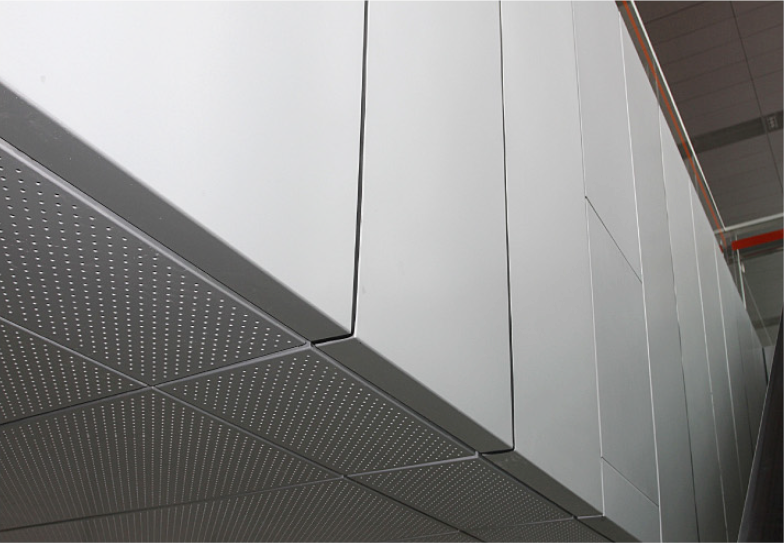
Our Anodizing Aluminum Panels offer a sophisticated metallic finish that integrates seamlessly with modern curtain wall systems. Utilizing an electrochemical process, the protective oxide layer is integrated with the aluminum substrate, providing unmatched resistance to UV radiation, scratching, and atmospheric pollutants.

Tested to AAMA 2605 standards, these panels maintain color integrity and gloss even after 10 years of high-intensity sun exposure

The anodized layer achieves a minimum 'H' hardness rating, offering excellent abrasion and mortar resistance during and after installation.

With a salt-spray resistance rating of 1/32", the panels are ideal for coastal environments and industrial zones with high acidity.

The non-porous metallic surface is easy to clean with standard glass detergents and is 100% recyclable at the end of its lifecycle.
The system is designed for versatility, supporting various installation methods including integrated fasteners, cushions, and bolts secured to aluminum alloy columns. Node diagrams confirm compatibility with insulation materials and fireproof layers for comprehensive thermal management.
Available in a range of metallic tones and textures, from brushed finishes to matte effects. Panels can be custom-sized to meet specific architectural grid requirements, ensuring a precise fit for complex facade geometries.
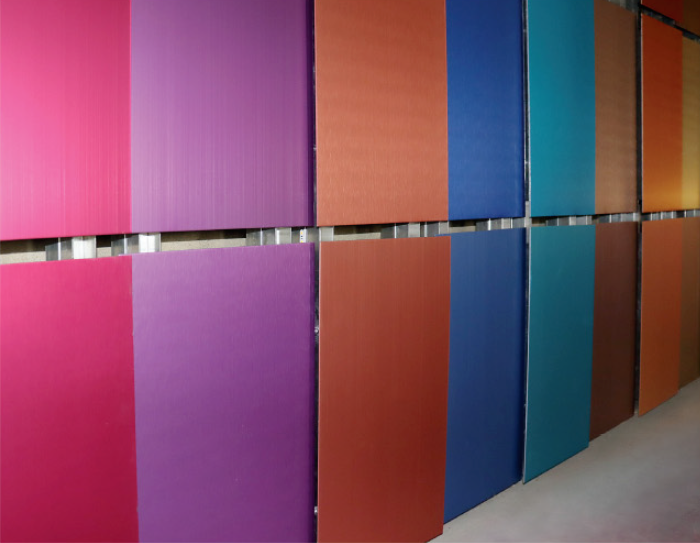

Technical insights regarding the installation, performance, and durability of our anodized aluminum cladding systems.


APEX EcoBuilt manufactures custom aluminum extrusions from CAD drawings, hand sketches, or samples—even when the required profile is not available from a standard catalog.
Tooling, extrusion, machining, and finishing are completed in-house for developers, contractors, and OEM brands.


Arabic

English

Spanish
Fill out the form below and our team will get back to you within 24 hours with a tailored solution.