APEX EcoBuilt
Leading Manufacturer of Aluminum Systems & Modular Housing
APEX EcoBuilt
Leading Manufacturer of Aluminum Systems & Modular Housing

A high-performance architectural cladding solution offering natural longevity and a sophisticated self-patinating finish.

Seam Height

Panel Widths

Material Thickness

Wind Load Resistance

Service Life
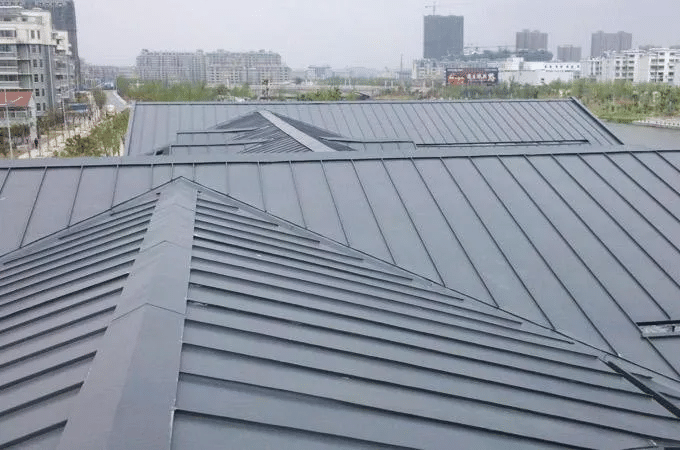
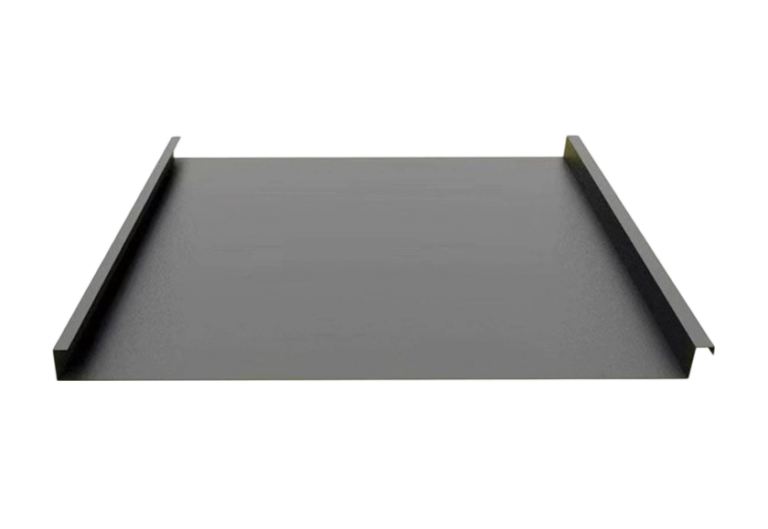
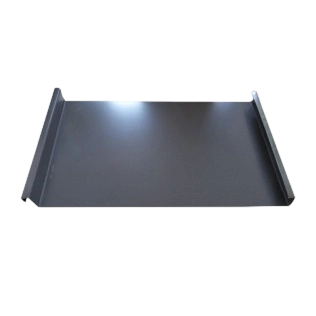
The APEX EcoBuilt Standing Seam Titanium Zinc system is engineered for both facade and roofing applications, featuring a 25mm seam height for superior water tightness and structural integrity. This system utilizes the natural properties of titanium zinc to provide a maintenance-free, self-healing surface that develops a protective patina over time.

Titanium zinc is naturally corrosion-resistant and can last over 80 years in urban environments without the need for synthetic coatings.

Minor scratches and abrasions disappear over time as the metal reacts with moisture and carbon dioxide to reform its protective layer.

Available in 260mm, 330mm, and 430mm standard widths to accommodate various architectural rhythms and structural requirements.

The standing seam mechanical lock provides excellent water resistance while allowing the metal to expand and contract freely.
Our panels are manufactured using high-purity titanium zinc alloy (Zn-Cu-Ti) compliant with EN 988 standards. The system supports various installation methods including fixed and sliding clips to manage thermal expansion across large surface areas.
Available finishes include natural bright zinc, pre-weathered grey, and black patina. Custom panel lengths can be roll-formed on-site or factory-cut to minimize waste and ensure precision fitment for complex geometric facades.


Technical insights regarding the installation and performance of titanium zinc standing seam systems.


Arabic

English

Spanish
Fill out the form below and our team will get back to you within 24 hours with a tailored solution.