APEX EcoBuilt
Leading Manufacturer of Aluminum Systems & Modular Housing
APEX EcoBuilt
Leading Manufacturer of Aluminum Systems & Modular Housing

A suspended all-glass curtain wall system using top-mounted clamps and support structures, creating a fully transparent facade without bottom framing.

Glass Specification

Thermal Performance

Wind Load Resistance

Lead Time

Warranty
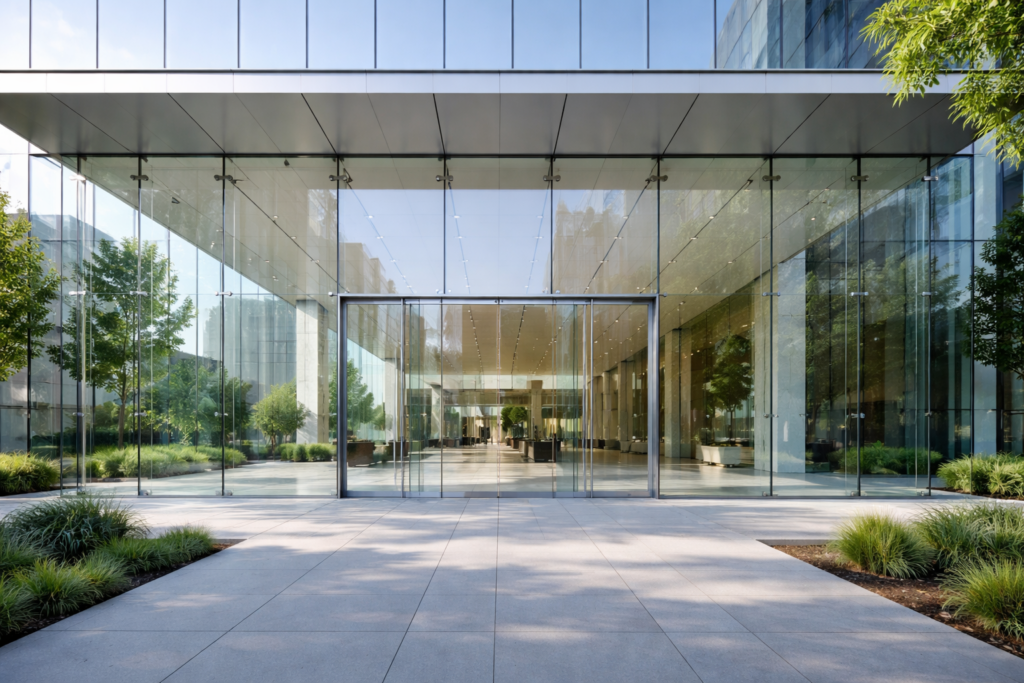
This system suspends glass panels from a top-mounted support structure using glass clamps or hanging assemblies. Without bottom channels, it achieves a fully open and frameless appearance. Glass fins are typically integrated to enhance lateral stability and maintain structural integrity under wind loads.

Eliminates base channels to create a clean, floating glass facade.

Loads are transferred through the upper structure, reducing dependency on ground support.

Glass fins improve stiffness and help stabilize larger panels.

Maximizes visual openness and modern facade aesthetics.
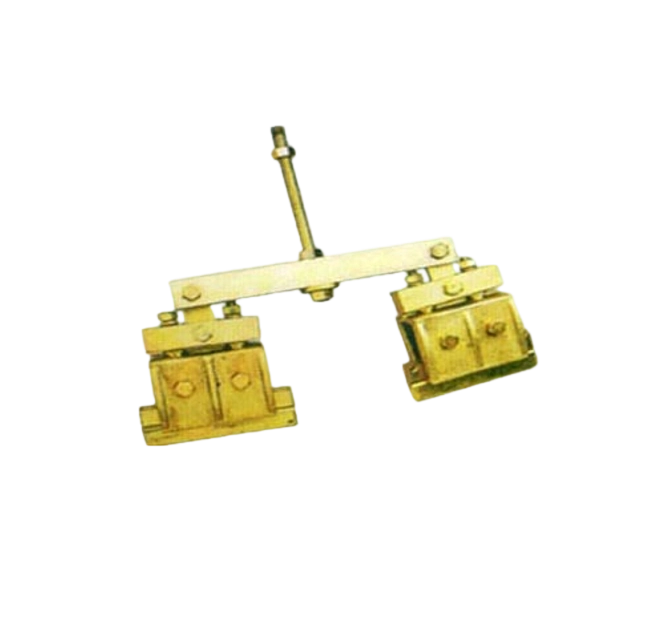
The system is configured with top-mounted clamps or hanging brackets, allowing glass panels to be suspended without bottom support. Structural variations include standard hanging systems and reinforced configurations with glass fins.
Glass specifications can include tempered, laminated, or insulated units depending on safety and performance requirements. Custom layouts and structural adjustments are available for different architectural scenarios.
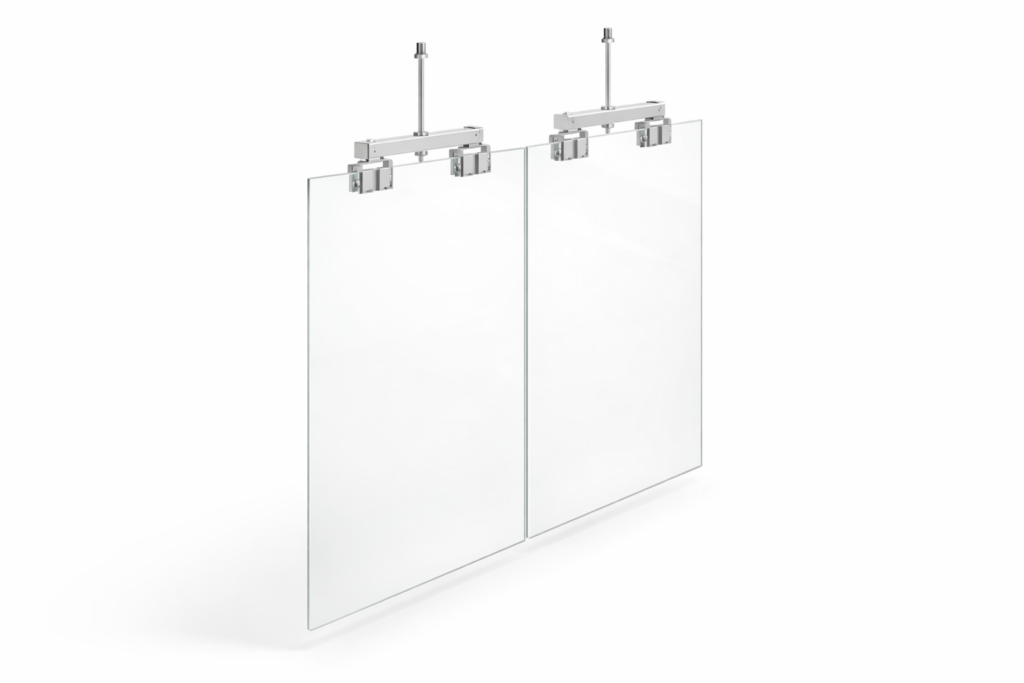

Focused on load transfer, stability, and installation control.


Arabic

English

Spanish
Fill out the form below and our team will get back to you within 24 hours with a tailored solution.