APEX EcoBuilt
Leading Manufacturer of Aluminum Systems & Modular Housing
APEX EcoBuilt
Leading Manufacturer of Aluminum Systems & Modular Housing

Maximize transparency with minimal structural visibility, delivering open architectural expression and high-end façade performance.
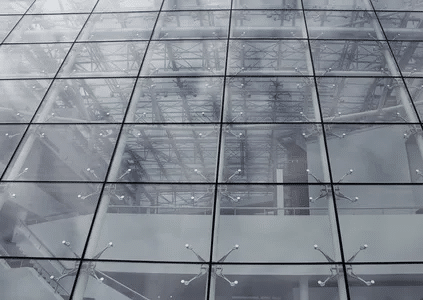
Point-supported curtain wall systems use stainless steel fittings or spider connectors to fix glass panels directly to the supporting structure, eliminating traditional frames. This creates a highly transparent façade with minimal visual obstruction, making it ideal for projects that emphasize openness, daylight, and architectural impact.


Glass panels are fixed using stainless steel spider fittings, creating a lightweight and visually open façade. This is the most common solution for atriums, entrances, and large-span glazing areas.

Glass panels are supported by high-tension cable structures, allowing for ultra-light façades with maximum transparency. It is often used in large curtain walls where minimal structural presence is required.

Using steel rods instead of cables, this system provides higher rigidity while maintaining a clean and transparent appearance. It is suitable for projects requiring both structural stability and design clarity.

Glass fins act as vertical supports, enhancing structural strength while keeping the façade visually minimal. This system is commonly used in high-performance glass walls and large lobby façades.


 Residential
 Residential
 Commercial
 Residential
 Hospitality
 Hospitality
 Public
We deliver point-supported façade systems with a strong focus on structural safety, precision manufacturing, and project coordination.

Each system is calculated based on load conditions, glass specifications, and support structures to ensure safety and stability.

High-quality fittings and connectors ensure durability, corrosion resistance, and long-term reliability.

We support from design development to installation guidance, helping reduce risks in complex façade projects.


Quick answers to common questions about point-supported curtain wall systems, including structure, applications, and customization options.

Arabic

English

Spanish
Fill out the form below and our team will get back to you within 24 hours with a tailored solution.