
APEX EcoBuilt
Leading Manufacturer of Aluminum Systems & Modular Housing
APEX EcoBuilt
Leading Manufacturer of Aluminum Systems & Modular Housing

APEX EcoBuilt manufactures custom aluminum extrusions from CAD drawings, hand sketches, or samples—even when the required profile is not available from a standard catalog.
Tooling, extrusion, machining, and finishing are completed in-house for developers, contractors, and OEM brands.
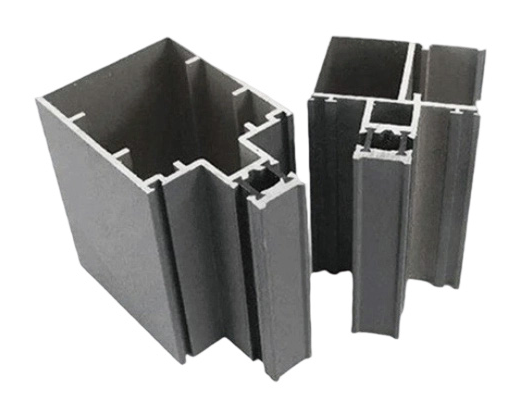
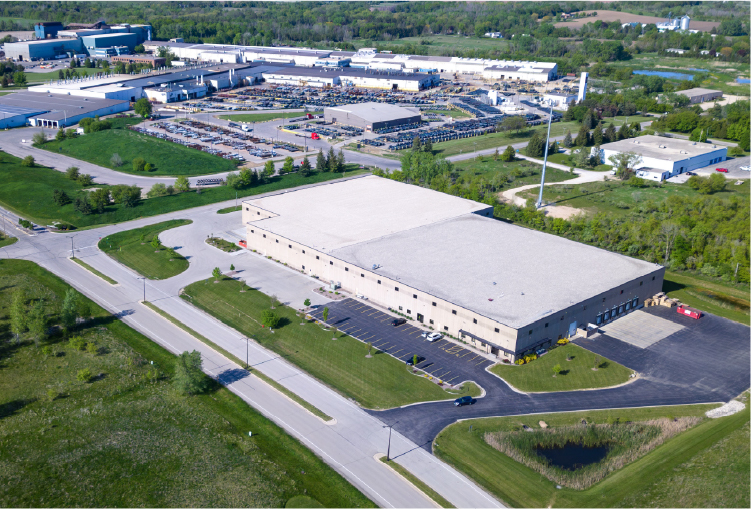
APEX EcoBuilt operates a 150,000 m² factory with extrusion presses, 5-axis CNC machining, and in-house finishing. With 20 years of experience in architectural facade systems, aluminum building products, and modular housing, we keep tooling, tolerances, and finishes under one roof.
APEX manufactures custom aluminum extrusions directly rather than sourcing through brokers. If your profile requires a design or finish change, get in touch and we can review die feasibility before production.
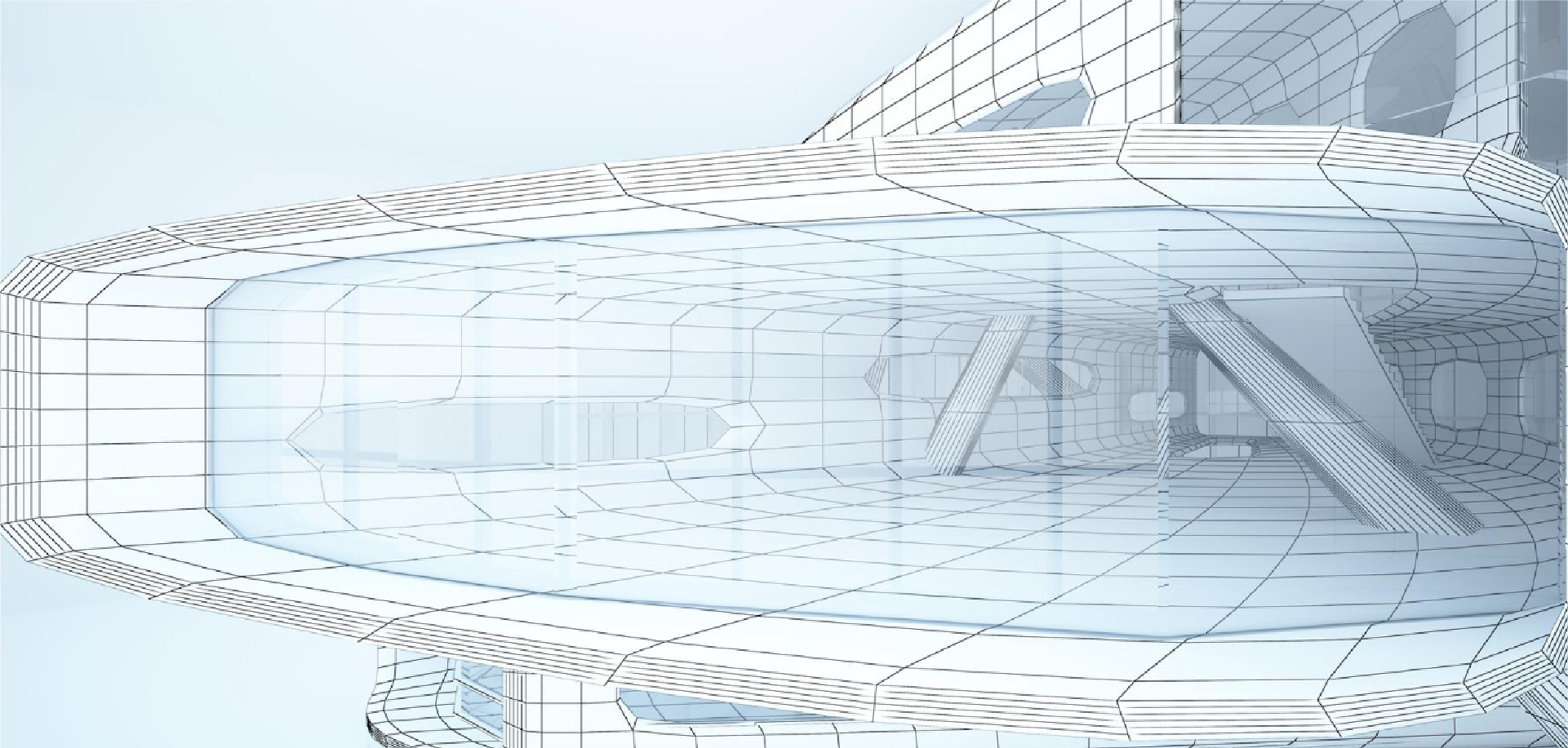
A sketch or CAD file can be developed into a finished aluminum profile for mullions, trim, brackets, and other project-specific parts. The process covers design review, tooling, extrusion, and fabrication.
 Drawing Review
 Design & Die Engineering
Extrusion & Tooling
Cut-to-Length & Fabrication
Capabilities & Quoting

We review your sketch or CAD file together with the intended application, profile geometry, finish requirements, and production quantity. This confirms the most practical route from the initial concept to a manufacturable aluminum profile.

Our engineering team reviews the proposed profile in BIM and FEA for wind loads, thermal stress, and seismic movement. Thin walls, weak ribs, and distortion risks are addressed before the die is cut.

After approval, the die is produced and run on our extrusion presses. Prototype and production batches use the same equipment, helping maintain consistency from the approved sample to the final run.

Profiles are cut to the lengths specified on your drawing. Drilling, punching, and countersinking can also be completed to your hole pattern, so parts arrive ready for assembly.

Die charges, lead times, and minimum order volumes are confirmed after drawing review because they depend on profile complexity. Unusual profiles, wide sections, and complex multi-void shapes are reviewed individually.

APEX offers anodizing, powder coating, and mechanical finishing for custom aluminum extrusions. The same die can support different surface treatments for exposed facades, internal frames, and OEM applications.

Drilling, punching, and countersinking are completed to your drawings, so parts arrive ready for assembly without a separate machining vendor. For guidance on alloy, wall thickness, and profile geometry, see our guide to aluminum extrusion profiles.

APEX combines documented engineering experience with early-stage design validation:

179+ patents and certifications across our product lines.

BIM and FEA assess structural loads and thermal behavior before the die is cut.

Facade-critical and load-bearing profiles are evaluated during design, not after production.

Potential geometry or performance issues can be addressed before tooling, production, or installation.
APEX produces custom aluminum extrusions for:
Each application has different load and finish requirements. A high-rise curtain wall profile, for example, needs different design considerations from a profile used in a remote worker camp. These requirements are addressed during design and die engineering.
For commercial projects, see how custom profiles integrate into full facade systems through our commercial building programs.

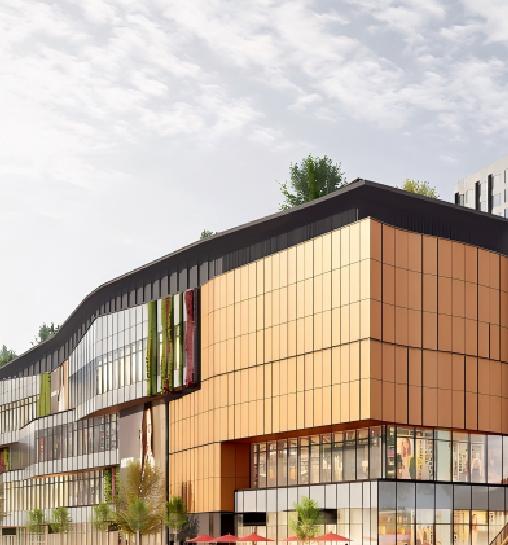
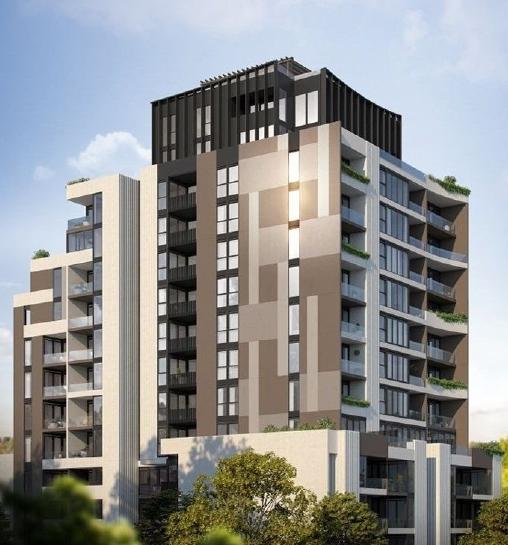
APEX has worked with Country Garden, Poly, Longfor, Kaisa, Xingfa, Kinlong, and other companies across residential, commercial, and mixed-use projects.
Many of these relationships support repeat supply and OEM work, including custom profiles that fall outside standard catalog ranges.


If you have a drawing, CAD file, or rough sketch, send it to APEX for a review of die feasibility, finishing options, and production fit before quoting.
For a faster review, include the profile file—DXF or STEP preferred—along with your alloy preference, finish requirement, and estimated annual volume. Scanned sketches are also suitable for early feasibility checks. You can review our extrusion cost breakdown first, then submit your profile for review.


Arabic

English

Spanish
Fill out the form below and our team will get back to you within 24 hours with a tailored solution.
