
APEX EcoBuilt
Leading Manufacturer of Aluminum Systems & Modular Housing
APEX EcoBuilt
Leading Manufacturer of Aluminum Systems & Modular Housing
 09 Sep, 2026Knowledges
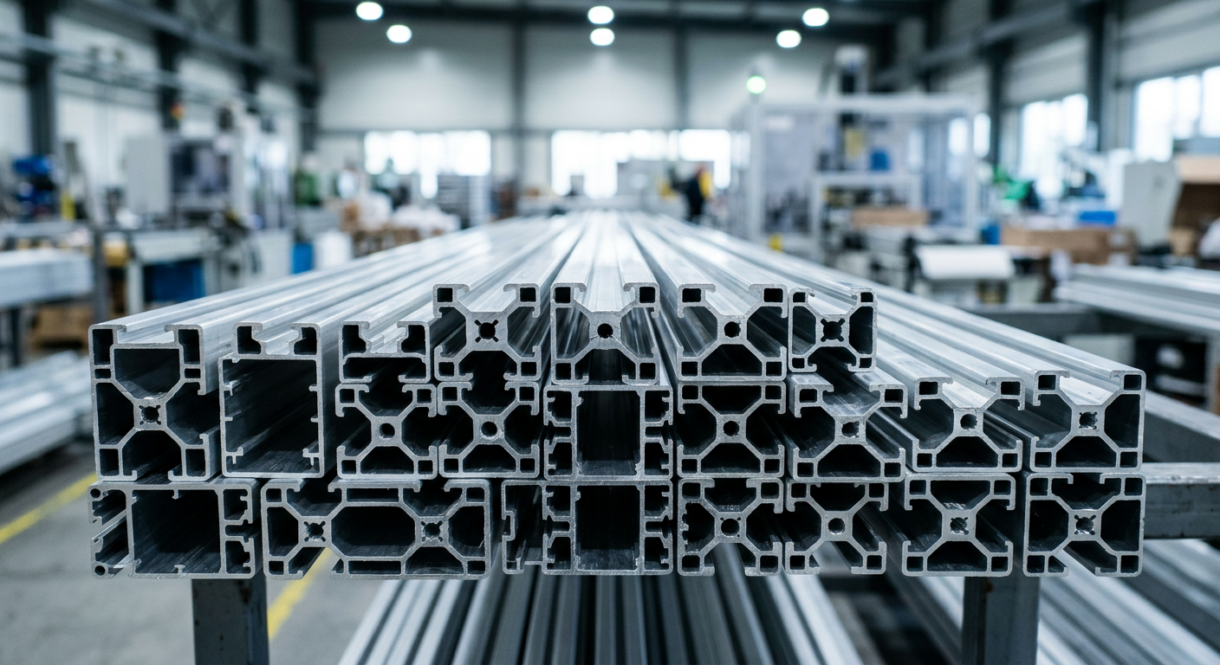
Standard aluminum extrusion prices run in a fairly predictable band, but custom work adds a second cost layer many buyers don't budget for upfront. A custom project carries two components: a one-time die/tooling charge, and a recurring per-lb or per-kg running cost tied to the specific part being produced. Both numbers move for different reasons, and mixing them up is the fastest way to misjudge a quote.
Pricing conventions vary by supplier and market — some quote per kilogram, some per pound, some per ton, some per linear foot of bar stock. The same underlying costs (raw material, extrusion time, finishing) get sliced differently depending on which unit a supplier uses.
| Pricing Unit | Reported Range | What It Typically Includes |
|---|---|---|
| Per kilogram (bulk stock) | $2.50–$3.80/kg | Standard alloy, high-volume run, basic extrusion only |
| Per ton (extrusion + heat treat) | ~$430–$460/ton | Extrusion plus T5/T6 heat treatment, before finishing |
| Per pound (custom short run) | $9–$12+/lb | Material + die amortization + finishing on a low-volume custom order |
| Per linear foot | Varies by profile | Common for stock bar/rail sold by length rather than weight |
These ranges look inconsistent until the units are reconciled: $2.50–$3.80/kg converts to roughly $1.15–$1.75 per pound of raw material on a large bulk run. The $9–$12+/lb figure reported for small custom orders is higher not because the metal costs more, but because a short run has to absorb die amortization, secondary finishing, and per-piece handling across far fewer parts. Volume, not material, explains most of the gap.
A custom aluminum extrusion cost has two distinct parts.
1. One-time die/tooling charge. This covers the custom die built to your cross-section. Industry-reported benchmarks put solid-profile dies around $1,250 and hollow-profile dies closer to $1,950, with complex multi-hollow geometries running higher. This cost doesn't recur on reorders unless the die wears out or the design changes.
2. Recurring per-lb/kg running cost. Every piece ordered after the die is built costs material plus extrusion, finishing, and any secondary machining. This is the number that scales with volume.
A real-world example illustrates how the two combine: one buyer sourcing an 18-piece run of 14-foot custom profiles reported a $1,750 die charge plus roughly $9–$12 per pound running cost, working out to about $49 per finished piece. Double the run to 36 pieces and the same die charge spreads over twice as many parts, pulling the effective per-piece cost down even though the running rate per pound stays flat. That's the core math behind every custom extrusion quote.
It's standard industry practice for the tooling charge to include a batch of sample extrusions, so the design can be checked for wall thickness, tolerance, and fit before a full production run is committed. Confirming whether samples are bundled into the die charge is worth asking before signing off on any quote.
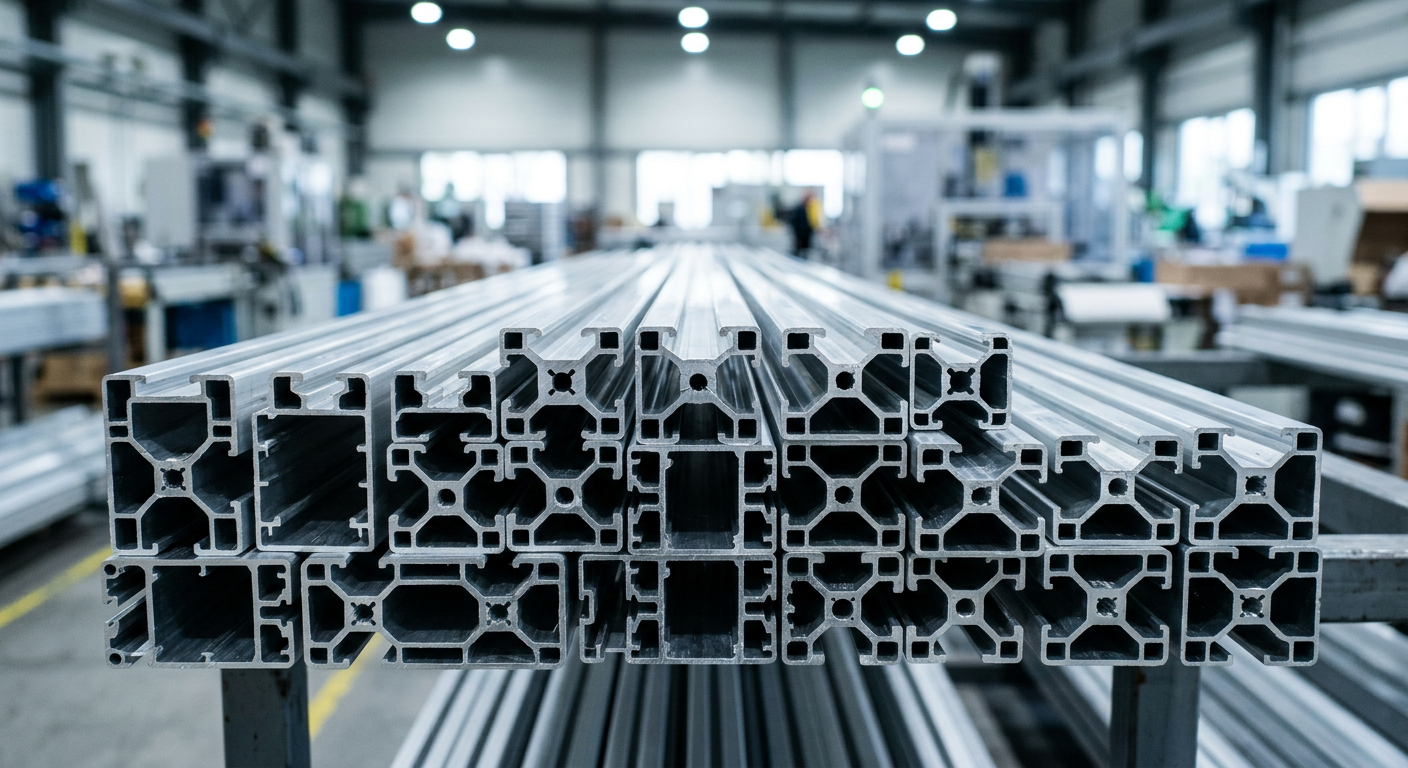
Six factors move both the tooling charge and the per-unit price:
Simplifying die geometry — converting a hollow section to a solid one, or reducing wall transitions — cuts both tooling cost and scrap rate. Consolidating orders into fewer, larger runs amortizes the die charge over more parts. Sticking with common alloys and standard finishes avoids surcharges tied to specialty processing.
Bringing the manufacturer in during design, rather than after drawings are locked, catches problems before they become expensive. Structural simulation using BIM and FEA modeling checks a profile's response to wind load, thermal movement, and seismic stress before the die is cut — a mismatch caught at this stage means a drawing revision, not a scrapped die and a repeat tooling charge. These manufacturing capabilities are worth confirming with any supplier evaluated for a custom run.
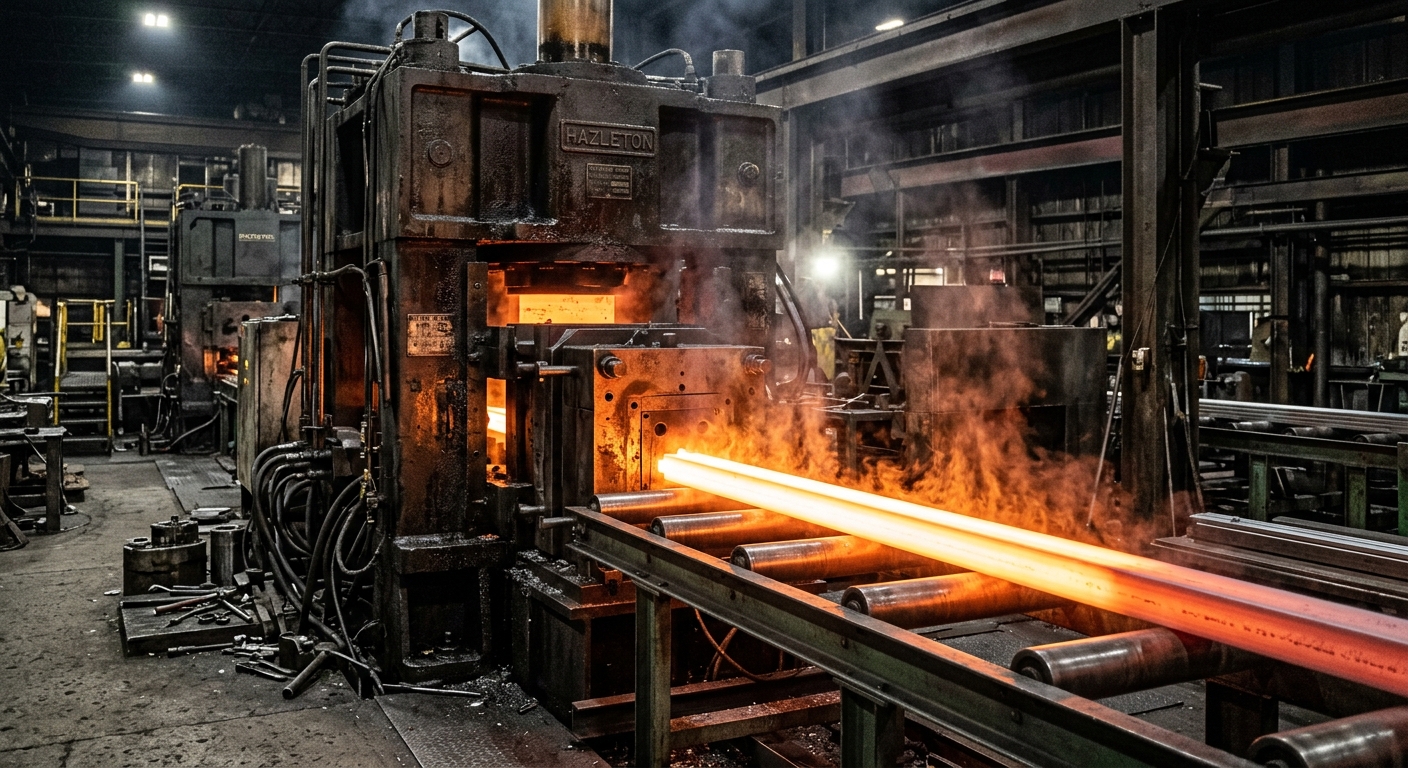
Not compared to the alternatives for most custom, low-to-mid volume parts. CNC machining a comparable shape from billet typically wastes more material and machine time. Die casting requires tooling investment that only pays off at very high volumes. Extrusion's die cost sits below a casting mold, and turnaround for a custom profile generally beats machining an equivalent shape from solid stock. Extrusion loses ground only on very simple, very high-volume standard shapes, where stock catalog profiles beat a custom die on price.
Is aluminum extrusion expensive?
Not for a one-off custom part, since tooling investment stays modest relative to machining or casting. It gets expensive fast, though, if a complex multi-hollow die is ordered for a very small quantity — the tooling cost per piece barely amortizes, so a simple design or a larger run is the real lever for keeping the total affordable.
How much does an aluminum extrusion machine cost?
That question usually refers to industrial extrusion press equipment — a capital purchase for a manufacturer, not a per-part price a buyer pays. A business commissioning a custom profile pays a one-time die charge plus a per-unit running cost, without ever needing to own a press.
How much does a custom aluminium extrusion cost?
It's a two-part cost: a one-time die/tooling charge (typically in the low-thousands range depending on profile complexity) plus a recurring per-lb or per-kg cost for material, extrusion, and finishing on every piece produced. The die charge doesn't repeat on reorders unless the design changes.
Where can I buy cheap aluminum extrusion?
"Cheap" usually means off-the-shelf stock profiles sold by catalog suppliers and hardware distributors — no die charge, fixed shapes, suited to hobbyist or DIY builds. Custom profiles trade that lower upfront cost for a die-tooling charge, in exchange for a part built to exact project dimensions and finish.
For background on how these profiles are made and where they're used across facades and structural components, see aluminum extrusions. Structural aluminum framing is also a line item inside larger modular budgets — see capsule house cost for how extrusion cost fits into a full modular build.
Once you know which cost drivers apply to your part, the next step is a project-specific number. For a firm quote on a custom profile — die design, alloy selection, and finish included — go to Custom Aluminum Extrusion Manufacturing, or contact us directly with your drawing or dimensional sketch.




Arabic

English

Spanish
Fill out the form below and our team will get back to you within 24 hours with a tailored solution.
