APEX EcoBuilt
Leading Manufacturer of Aluminum Systems & Modular Housing
APEX EcoBuilt
Leading Manufacturer of Aluminum Systems & Modular Housing
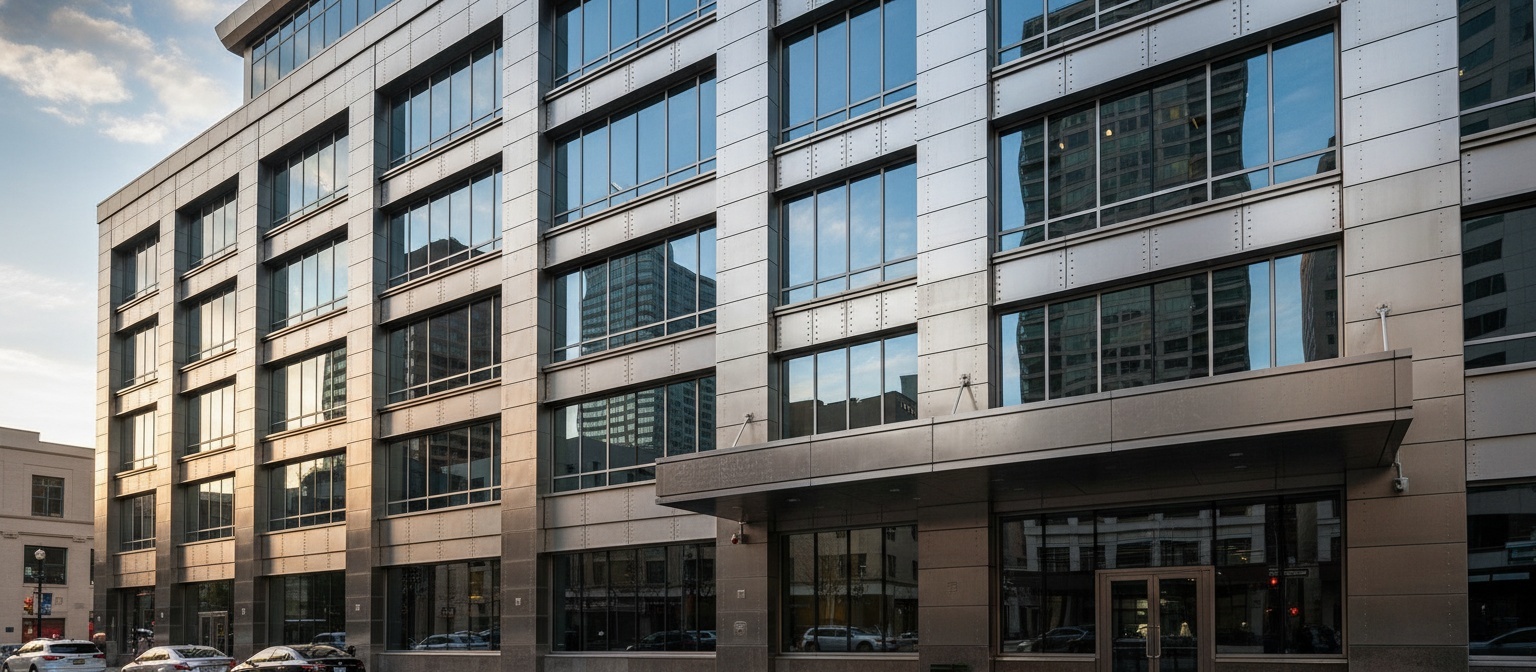
For landmark, coastal, and high-exposure facades, stainless steel maintains its finish and clean structural lines through the building’s service life. Painted aluminum cover caps may chalk or dent over time.
The trade-off is higher weight and unit cost, so confirm both against the project budget and structural loading before selecting the material.
Stainless steel is a material choice within a broader curtain wall design, not a standalone system. It can be used for panel cladding, composite skins, or exposed cover caps. Its main advantage appears after handover: it resists moisture, salt air, and industrial pollutants better than painted or anodized aluminum, helping reduce recoating and panel replacement over the building's service life.
Performance still depends on site exposure. Architectural-grade stainless steel performs well inland and in moderate humidity, while continuous salt air may cause surface discoloration known as tea staining. For coastal or marine-adjacent projects, confirm the exposure level, alloy, and finish before fabrication.
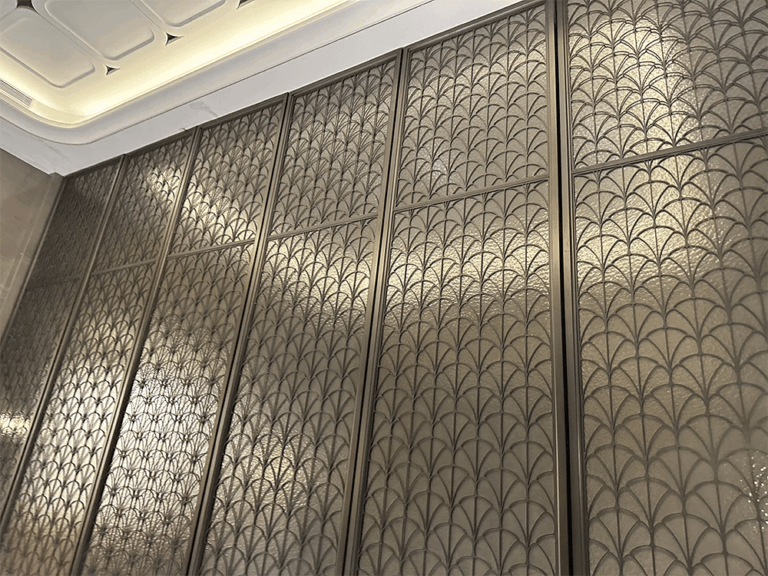
APEX fabricates stainless steel curtain wall systems in four panel and finish formats. These options can be specified independently or combined across one building.

Flat or formed panels for clean, modern facades requiring reliable structural performance.

Stainless-faced panels with a lightweight core reduce facade weight while remaining flat and rigid across large areas.

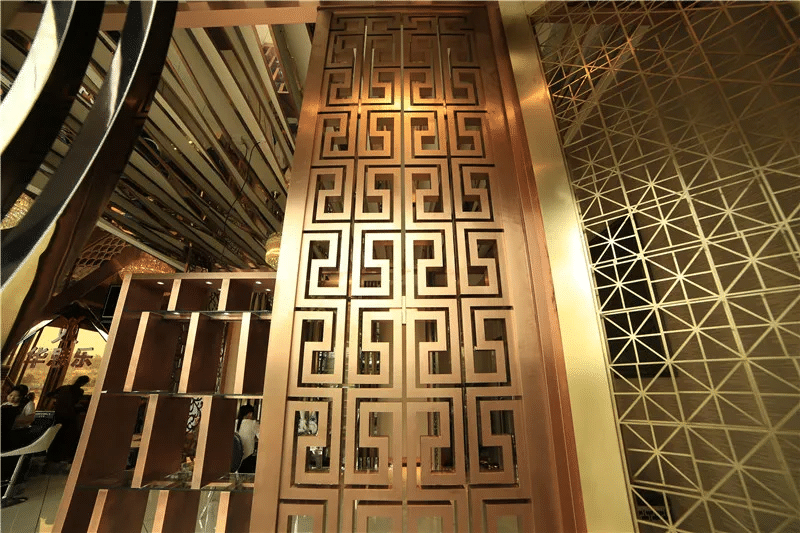
Brushed, mirror, or patterned finishes create anything from subtle texture to a reflective landmark facade.

Perforated panels add shading and ventilation while creating layered visual depth.

A stainless steel facade needs compatible hardware to prevent premature rust and staining. APEX supplies matching components for fabrication and installation:

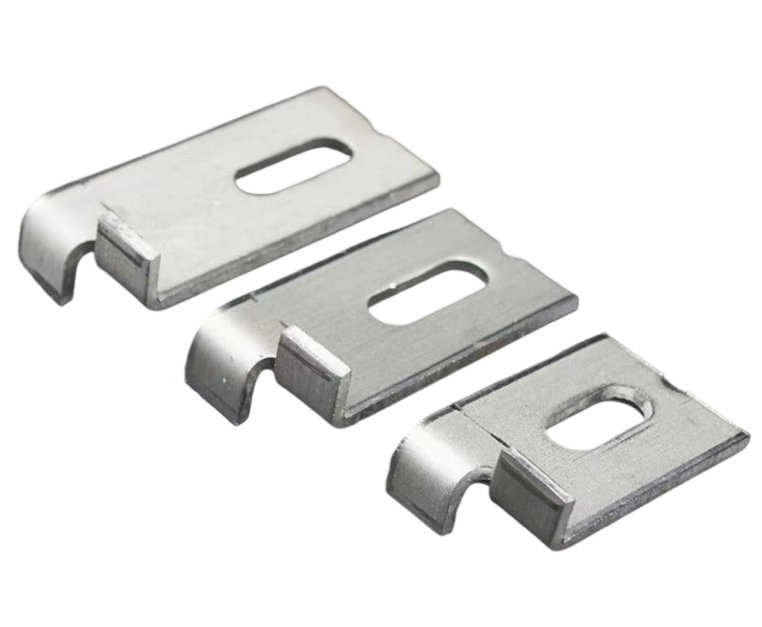
The 304 stainless steel double hook anchor supports panel fixing.

Stainless steel cutting discs support panel processing.

Hex head stainless steel self-tapping screws secure facade components.

The M6 × 90 mm stainless steel bolt for curtain walls supports frame connections.
Sourcing panels and hardware from one supplier helps keep grades and finishes consistent across the order.
Every stainless steel curtain wall project undergoes BIM and FEA review before fabrication. Wind loads, thermal movement, and seismic behavior are checked against the building’s actual geometry rather than generic tables.
Stainless steel can support slimmer framing sections for equivalent loads, helping create narrower sightlines. Structural support points, including the stainless steel cantilever bracket for curtain walls, are sized and positioned within the same model.

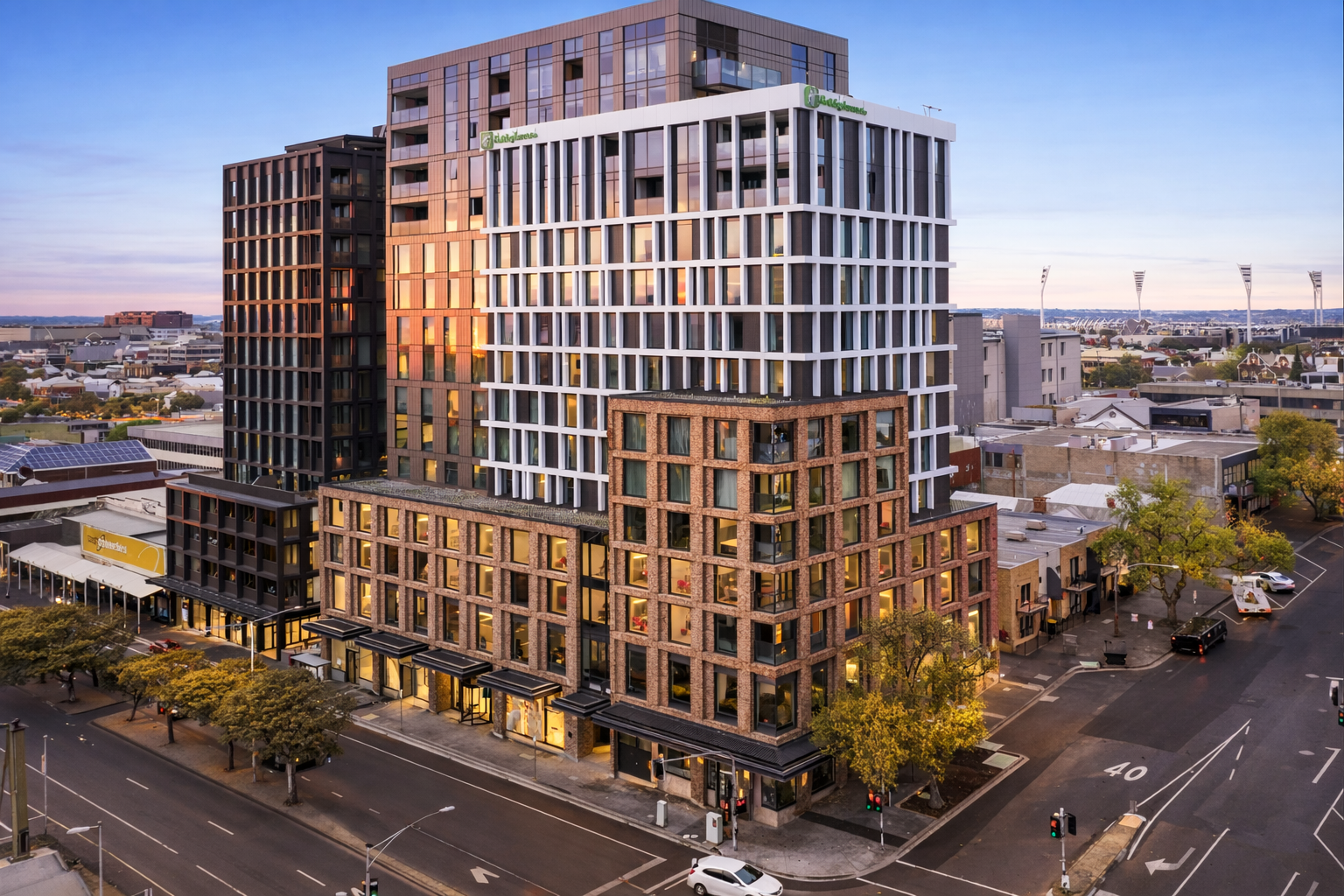
APEX fabricates stainless steel for curtain walls in its own 150,000 m² plant, drawing on 20 years in facade manufacturing, 179+ patents and certifications, and in-house extrusion presses with 5-axis CNC machining for panel fabrication. Developers including Poly, Country Garden, Vanke, and Kaisa have collaborated with APEX on facade and window projects, including:
Send your elevation drawings, finish preference, and exposure conditions (coastal, industrial, standard) and APEX will return a matched material and hardware specification for review.
Stainless steel suits coastal sites, landmark facades, and projects where the metal finish must remain stable for decades. It offers strong durability and corrosion resistance but adds weight and cost.
For standard commercial towers with limited corrosion exposure, aluminum curtain wall systems provide comparable glazing performance at a lower installed cost. The choice depends on whether surface longevity or budget and weight matter more.

Arabic

English

Spanish
Fill out the form below and our team will get back to you within 24 hours with a tailored solution.