
APEX EcoBuilt
Leading Manufacturer of Aluminum Systems & Modular Housing
APEX EcoBuilt
Leading Manufacturer of Aluminum Systems & Modular Housing
 29 Apr, 2026Knowledges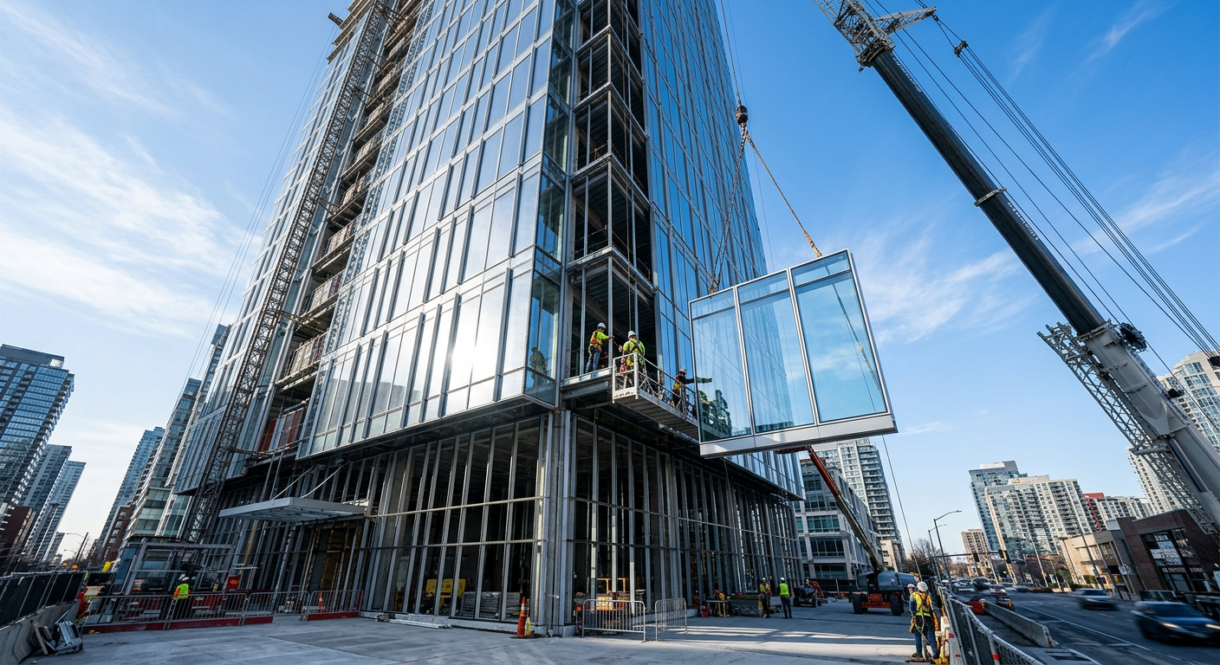
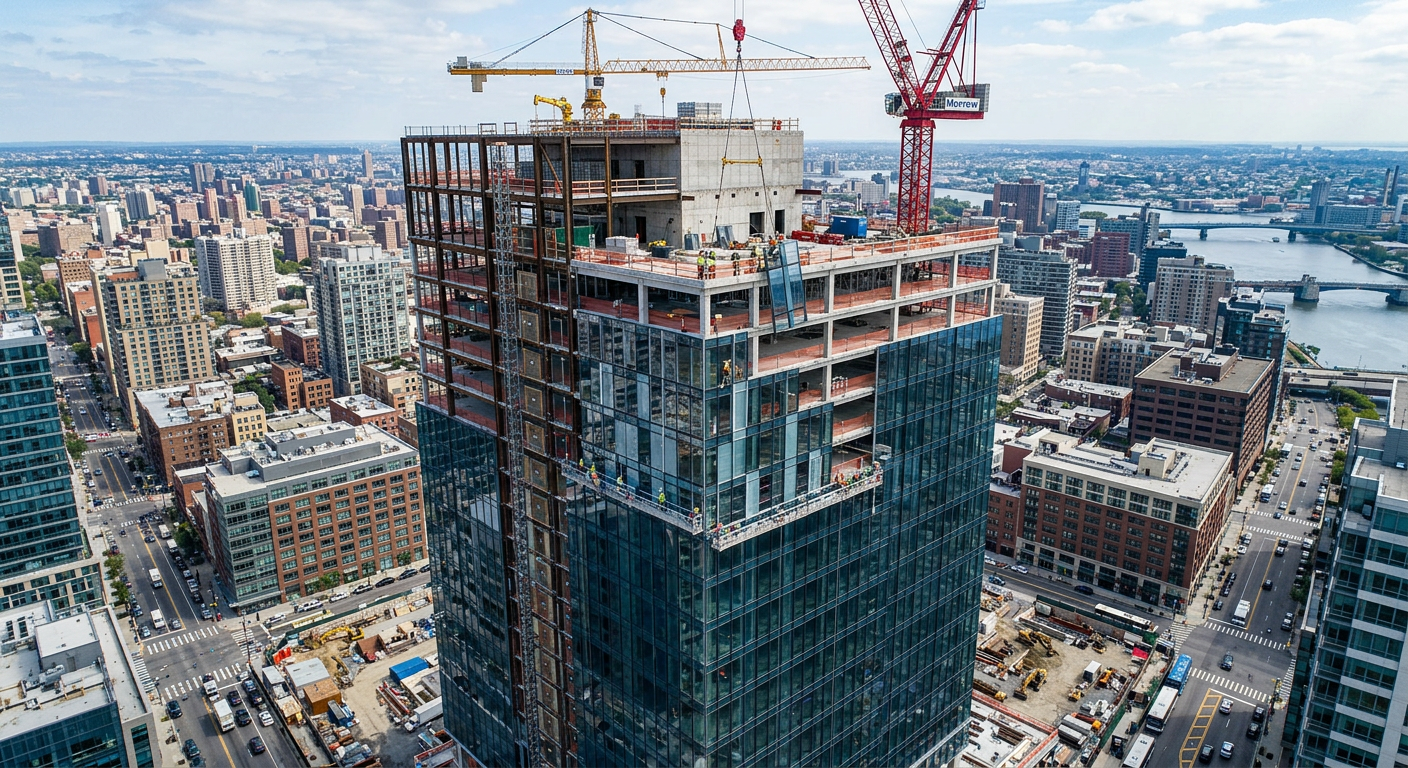
For most buildings above six floors or 3,000 m² of facade, unitized curtain walls save more money overall — even though their material cost per square meter is 20–40% higher than stick-built. The savings come from labor: unitized systems cut on-site installation time by 60–70%, which in 2026’s tight labor market is where the real budget lives. Stick-built still wins for small, low-rise, or geometrically irregular projects where factory prefabrication doesn’t pay off.
Below, we break down the actual cost math, lead times, and project types where each system is the smarter buy.
Stick-built curtain walls are assembled piece by piece on-site — mullions, transoms, glass, gaskets, all field-installed floor by floor. Unitized curtain walls arrive as pre-assembled, pre-glazed panels (typically one floor tall, 1.5–2 m wide) that crews just hang onto embedded brackets.
That single difference — where the assembly happens — cascades into every cost category: labor hours, scaffolding duration, weather risk, QC consistency, and crane time. Once you understand that, the rest of the comparison is just arithmetic.
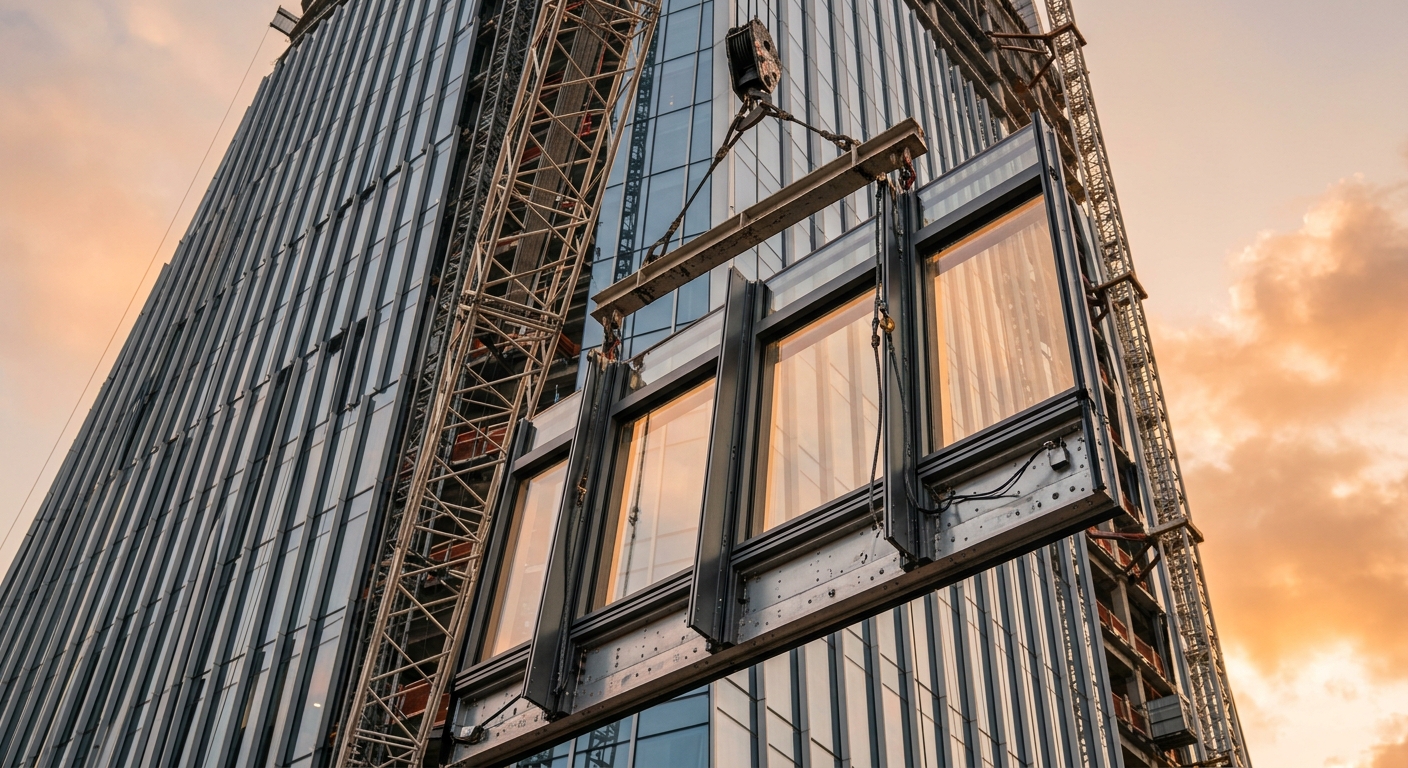
Forget per-square-meter sticker prices. Look at installed cost. Here’s what we’re seeing across projects in Asia, the Middle East, and Europe this year:
Stick-built looks cheaper until you factor scaffolding (USD 15–35/m² per month), site storage, rework from weather delays, and labor inflation. In markets like the UAE or Singapore, skilled glazier rates jumped 8–12% in 2025 alone. That wipes out the stick-built savings fast.
| Criteria | Unitized | Stick-Built |
|---|---|---|
| Material cost (per m²) | Higher (USD 450–750) | Lower (USD 280–500) |
| On-site labor cost | Low — 60–70% less | High — heavy field labor |
| Installation speed | 300–500 m²/day/crew | 80–150 m²/day/crew |
| Factory lead time | 8–14 weeks | 4–8 weeks |
| Weather sensitivity | Low (pre-glazed) | High (site-glazed) |
| Quality control | Factory-controlled | Site-variable |
| Best for | High-rise, repetitive facades | Low-rise, irregular geometry |
| Break-even point | Typically 6+ floors | Under 6 floors |
Unitized is the right call when three conditions line up: height, repetition, and schedule pressure. Once you clear 6 floors with a repeating module, prefabrication economics take over.
A developer we partnered with was deciding between systems for an 18,000 m² facade. Stick-built quoted USD 6.3M in materials — roughly USD 1.1M cheaper than unitized. Looks great on paper. But the installation schedule showed a 14-month stick-built sequence vs. 6 months unitized. Factoring accelerated financing costs, scaffolding rental, and a 4-month earlier revenue start for the hotel, unitized saved the owner about USD 2.8M net.
If your facade has 80%+ identical panel types, unitized tooling amortizes beautifully. If every panel is bespoke, stick-built or semi-unitized hybrids may win. See our curtain wall solutions for how we handle repetition optimization during DFM review.
Don’t let anyone tell you stick-built is obsolete — it isn’t. For the right project, it beats unitized on both cost and flexibility.
A boutique resort owner in Bali, for instance, chose stick-built for a 1,200 m² lobby facade with mixed stone, timber, and glass infills — the custom interfaces made prefabrication more expensive, not less.
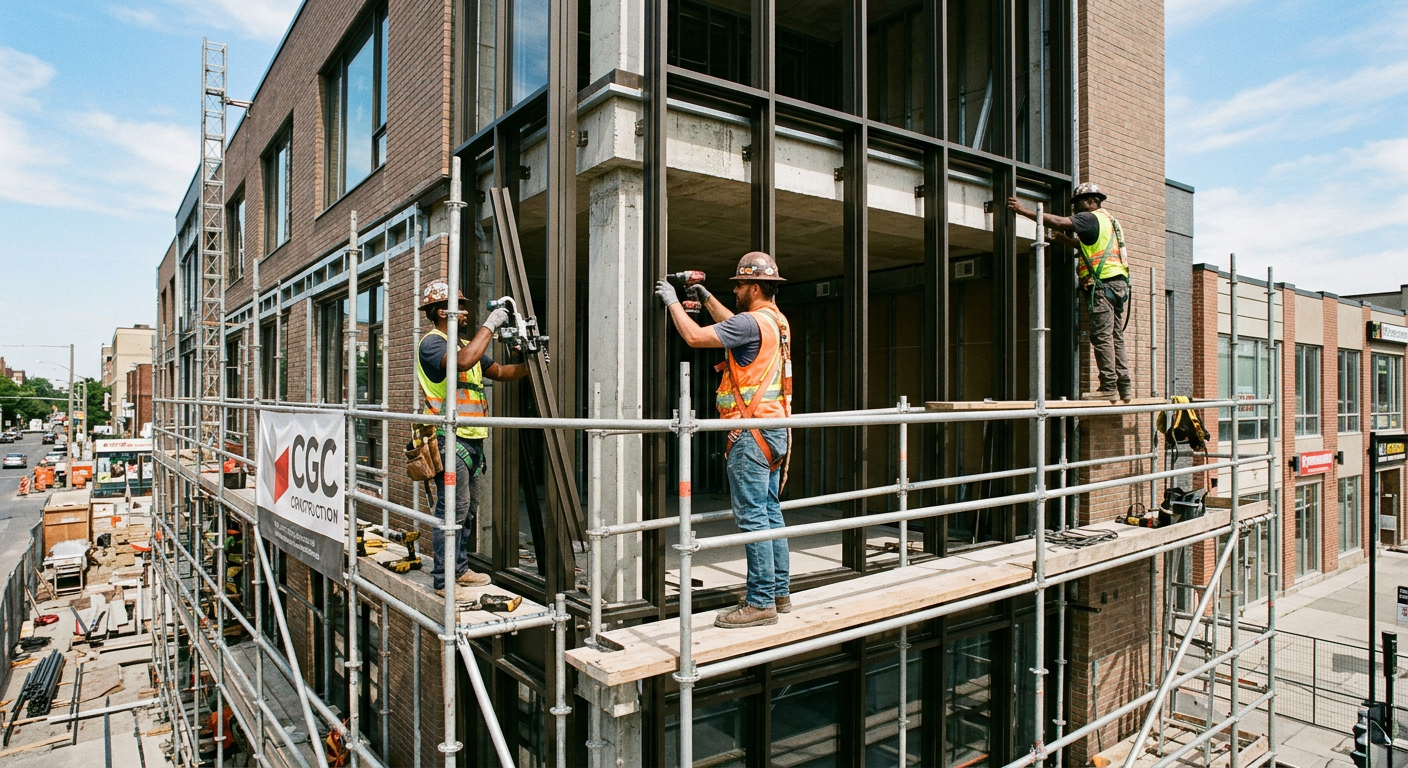
The RFQ spreadsheet rarely shows these, but they often decide the real winner:
Stick-built glazing performed in monsoon season or sub-zero winters can trigger 5–15% rework rates on sealant failures. Unitized panels are factory-sealed and pressure-tested before shipping.
Stick-built needs scaffolding for the full facade duration. Unitized crews work from mast-climbers or swing stages — often half the rental period.
Unitized panels compete for tower crane time with structural work. Bad scheduling can add 2–3 weeks. Stick components are light enough for material hoists.
Some insurers offer 3–5% premium reductions on unitized projects due to lower field-accident exposure. Worth asking your broker.
Site mock-up testing for stick-built can cost USD 40k–120k. Unitized systems often leverage previously tested modules, reducing this line item significantly.
Aluminum extrusion lead times normalized in late 2025, but glass — especially low-e and double-laminated — is still tight in some regions. Plan accordingly.
The gap looks like a stick-built advantage, but remember: unitized reduces site time. If your structure tops out in month 10, starting facade fabrication in month 4 means unitized panels arrive just as you need them. Our 150,000 m² production facility runs parallel lines specifically to compress this window for global projects.
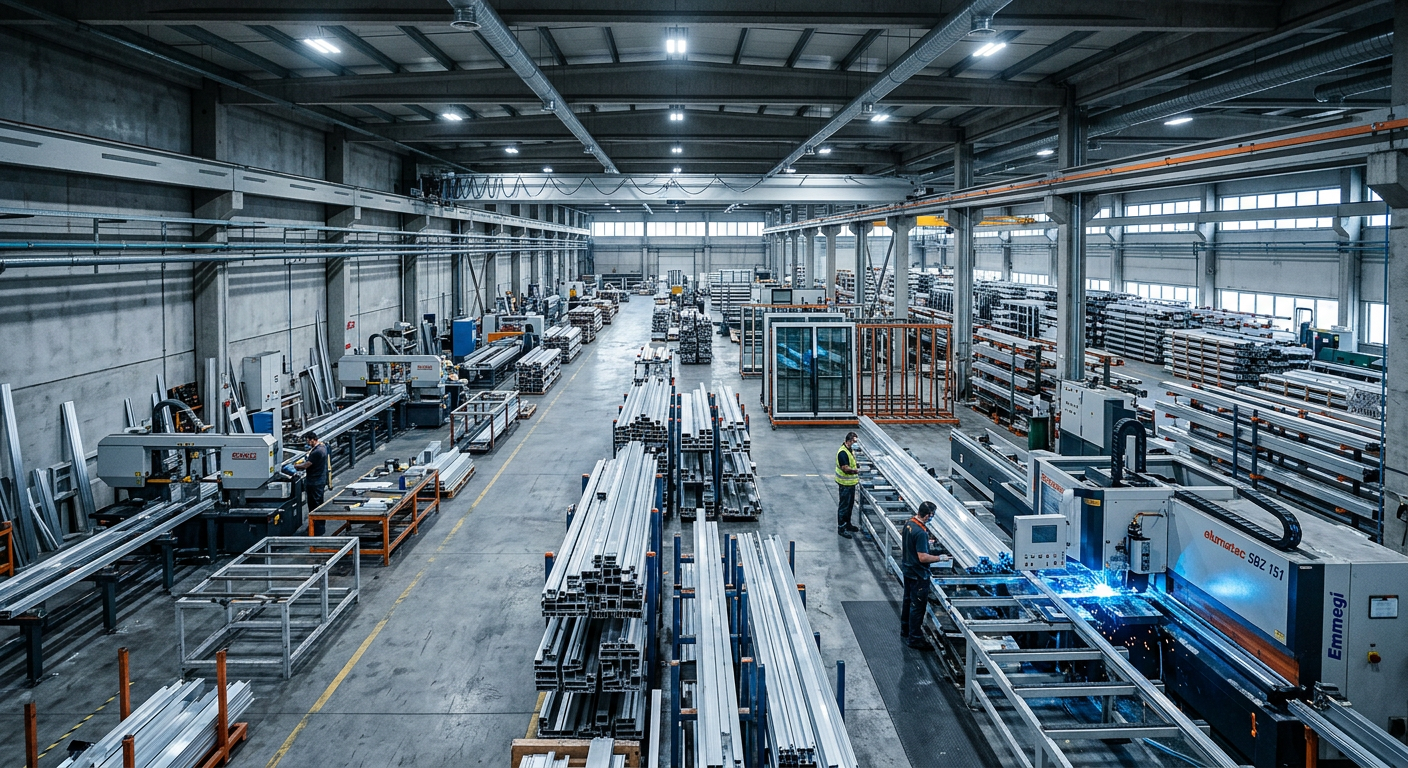
Here’s an opinion most won’t state plainly: unitized systems deliver more consistent long-term performance. Not because stick-built is bad — it isn’t — but because factory conditions eliminate the human variables that cause 10-year sealant failures and water ingress at T-joints.
For government and landmark projects where the owner holds the asset for decades, the lifecycle math often tilts toward unitized even on mid-rise buildings. One public infrastructure client chose unitized for a 5-floor administrative building specifically because the maintenance budget over 30 years was the deciding metric — not first cost.
Skip the long RFP cycle and use this as a first filter:
Still in the middle? Consider semi-unitized hybrids — factory-assembled ladder frames with field-installed glass. Good compromise for 4–8 story projects with moderate repetition.
A cost comparison is only as honest as the scope behind it. When you request quotes, demand apples-to-apples scope:
At apexecobuilt, we typically provide a dual-scenario quote on comparison projects — one unitized, one stick-built — with the same performance targets so clients can see the real delta. Browse completed curtain wall projects to see how the numbers played out across different building types, or talk to our engineering team about your specific facade.
If your project is tall, repetitive, and schedule-critical, unitized almost always saves more money once you count labor, scaffolding, and financing. If it’s low-rise, small, or irregular, stick-built is still the smarter buy. The worst outcome is picking based on material cost alone — that’s the mistake that blows budgets.
Every facade is different, and a 20-minute technical conversation can save months of rework. If you want a straight answer on which system fits your project — with real numbers, not marketing — send us your drawings and we’ll run the comparison. You can also explore our curtain wall product range or learn more about our work across 80+ countries.




Arabic

English

Spanish
Fill out the form below and our team will get back to you within 24 hours with a tailored solution.
