
APEX EcoBuilt
Leading Manufacturer of Aluminum Systems & Modular Housing
APEX EcoBuilt
Leading Manufacturer of Aluminum Systems & Modular Housing
 08 Jun, 2026Knowledges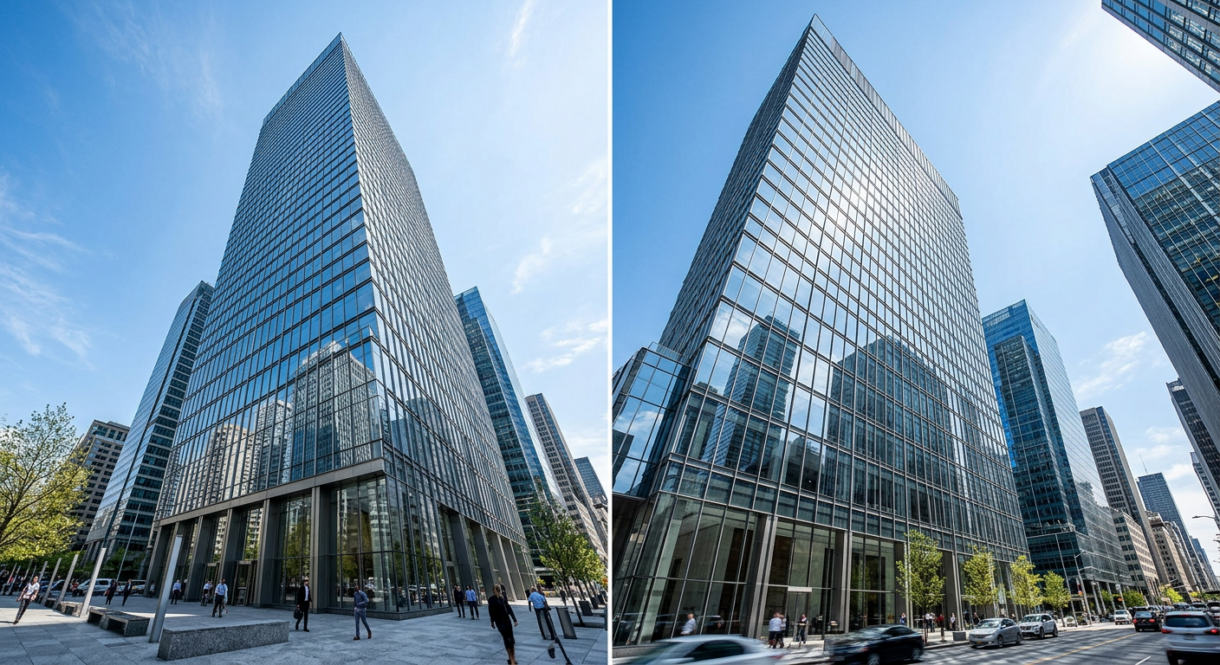
For most high-rise curtain walls built today, double-silver low-E is the default sweet spot — it delivers SHGC around 0.25–0.35 with VLT above 50%, which beats older single-silver low-E and pure solar control glass on the metric that actually matters: light-to-solar-gain ratio. But “default” isn’t “always right.” In heating-dominated climates a single low-E coating wins on payback, and in extreme cooling climates with intense glare, triple-silver or a tinted solar control build-up still earns its place. The decision comes down to climate zone, orientation, façade-to-floor ratio, and what your energy model says — not what the glass salesperson is pushing this quarter.
Before comparing product families, lock in the three performance metrics that determine 90% of the outcome: U-value, SHGC, and VLT. Everything else is secondary.
Measured in W/m²K. Lower is better. A modern double-silver low-E IGU sits around 1.1–1.4 W/m²K with argon fill. Triple-silver with krypton or warm-edge spacers can push below 1.0. Single low-E is usually 1.6–1.8.
A unitless ratio from 0 to 1. SHGC 0.28 means 28% of incident solar energy passes through. In Dubai or Riyadh, you want SHGC under 0.25 on east and west elevations. In Frankfurt or Shanghai, 0.35–0.40 is often fine.
How much daylight gets through. Below 40% and tenants complain the building feels gloomy. Above 70% and you’re inviting glare. The magic ratio is LSG = VLT / SHGC. Anything above 2.0 is excellent — it means you’re letting in light without the heat.
Most spec sheets you’ll see from façade consultants will reference these exact numbers. If a glass supplier can’t hand you a certified IGU performance sheet with all three values plus the source software (LBNL Window 7.x or equivalent), walk away.
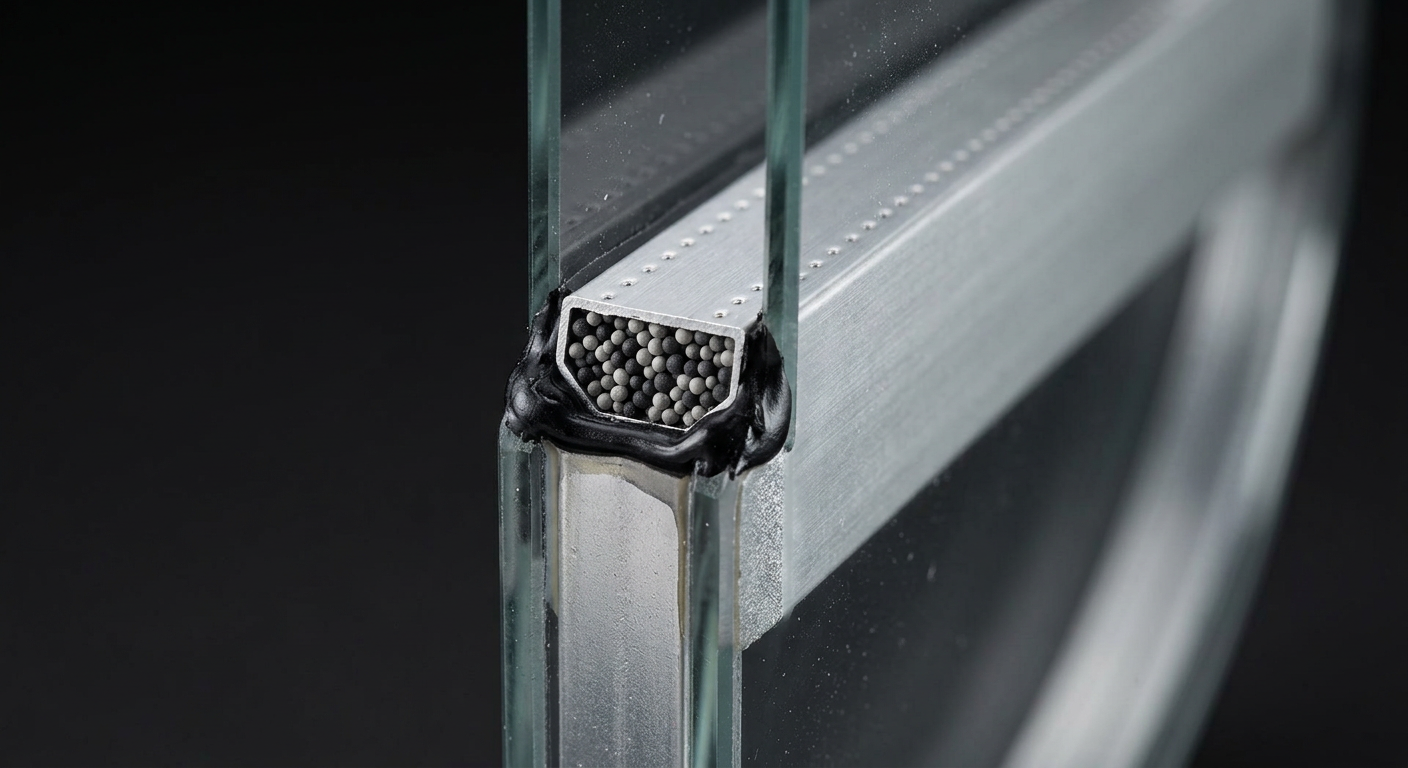
Silver is the only coating material that reflects infrared while staying transparent to visible light. That’s the entire trick. Each additional silver layer narrows the spectral window — letting more visible light through while reflecting more solar IR.
Originally developed for cold climates. It blocks far-infrared (the heat trying to escape your heated building in winter) but does relatively little against near-infrared from sunlight. SHGC stays high — around 0.40–0.50. Good for Northern Europe, Canada, northern China. Bad for the Gulf.
Two stacked silver layers tuned to reject near-infrared from the sun while still keeping VLT above 50%. This is the workhorse for mixed and cooling-dominated climates. A typical 6mm-12Ar-6mm double-silver IGU hits U=1.2, SHGC=0.28, VLT=60% — and that LSG of 2.14 is hard to beat at this price point.
Three silver layers. Pushes SHGC down to 0.20 or lower while keeping VLT around 45–50%. It’s the right call for fully glazed towers in hot climates where you want to maintain a clear, neutral appearance without going to tinted glass. The cost premium is 25–40% over double-silver, and the coatings are more fragile during fabrication — not every processor can handle them.
For instance, a developer we worked with on a 38-story Riyadh office tower started with double-silver in the early energy model. After running a glare and cooling-load analysis on the west façade, they upgraded only the west and southwest elevations to triple-silver. That selective approach cut chiller sizing by 8% without paying the triple-silver premium across all 22,000 m² of glazing.
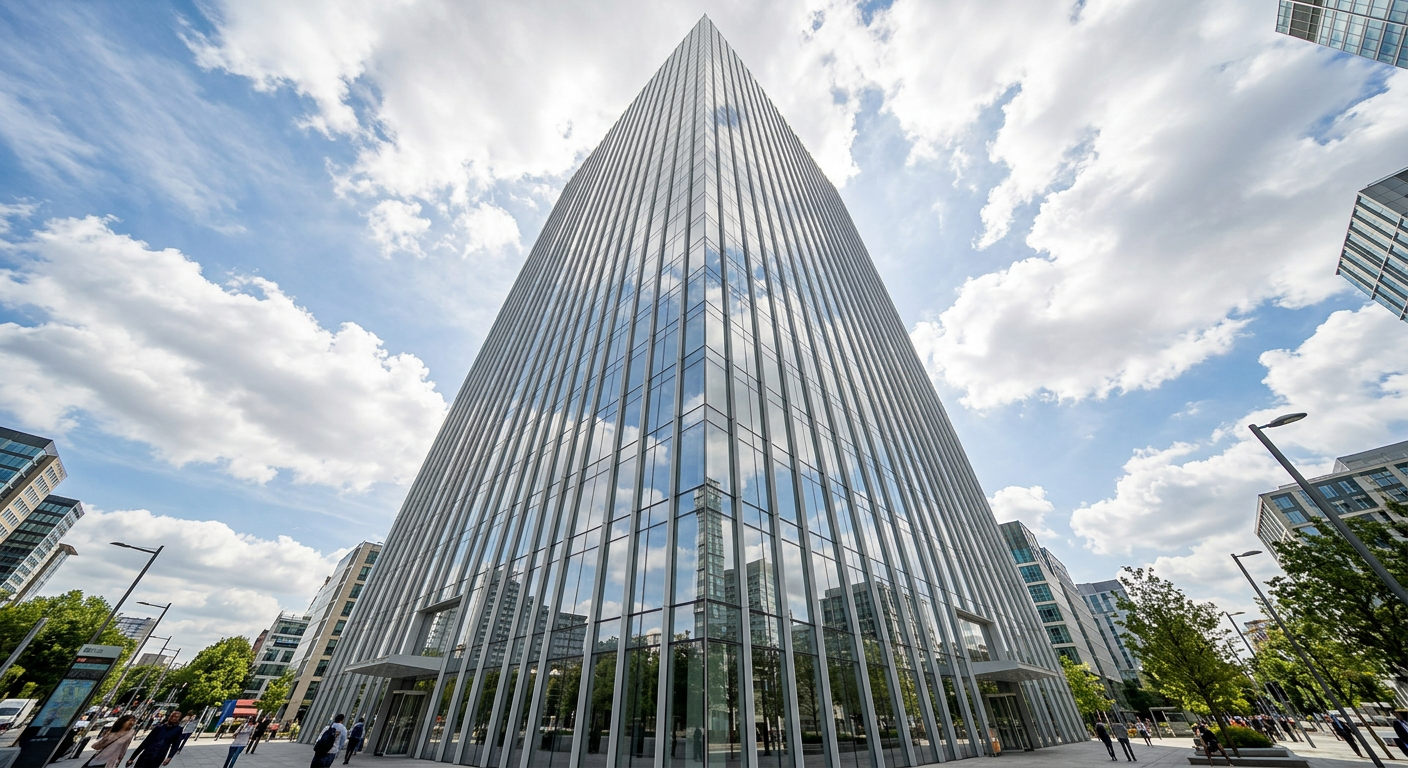
Solar control glass — body-tinted, reflective-coated, or both — solves a different problem: glare and aesthetic uniformity at very low SHGC. It’s not a replacement for low-E; the two are often combined.
Iron oxides or other metal oxides are mixed into the molten glass. Grey, bronze, blue, and green are standard. Tinted glass absorbs solar energy rather than reflecting it — which means the glass itself heats up. On a 50°C summer day in the Gulf, a dark tinted lite can reach 80°C+. This creates two real engineering problems: thermal stress fracture risk (heat-strengthening or tempering becomes mandatory) and re-radiation of absorbed heat into the building interior. Tinted glass alone is rarely the right answer for high-rises in 2026.
Pyrolytic or sputtered metallic coatings that reflect a portion of solar radiation back to the sky. Useful for landmark towers where the architect wants a mirrored appearance. The downside: light pollution complaints from neighbors and, in dense urban grids, focused reflections that have actually melted car bumpers (Google “Walkie-Talkie London”).
The smart approach is a low-E coating on surface #2 of the outer lite, plus a light body tint or a low-reflectance solar coating, depending on glare priorities. This lets you hit SHGC 0.20 with VLT 35% while keeping exterior reflectance under 15%.
Glass selection should follow the climate, not the catalog. Here’s a practical decision matrix based on ASHRAE climate zones and our own project data across 80+ country projects.
Target SHGC ≤ 0.25, U-value ≤ 1.4. Double or triple-silver low-E with argon fill. Consider a light body tint on west elevations. Our Middle East curtain wall spec guide covers the full thermal break and gasket implications.
Similar to hot/arid but watch the condensation risk on surface #4 in highly air-conditioned interiors. Warm-edge spacers and slightly higher U-values (1.4–1.6) sometimes outperform the lowest-U option on condensation.
SHGC 0.30–0.35, U-value 1.2–1.4. Double-silver low-E is the default. Adjust SHGC slightly higher on north elevations to recover passive solar in winter.
SHGC 0.40–0.50 is desirable to recover passive solar. U-value is the priority — push to triple-glazed IGUs with two low-E coatings, hitting U ≤ 0.8. Krypton fill becomes economical at this performance band.
U-value matters less because there’s no heating season. Focus everything on SHGC and VLT. Triple-silver low-E without insulating gas fill can be acceptable.
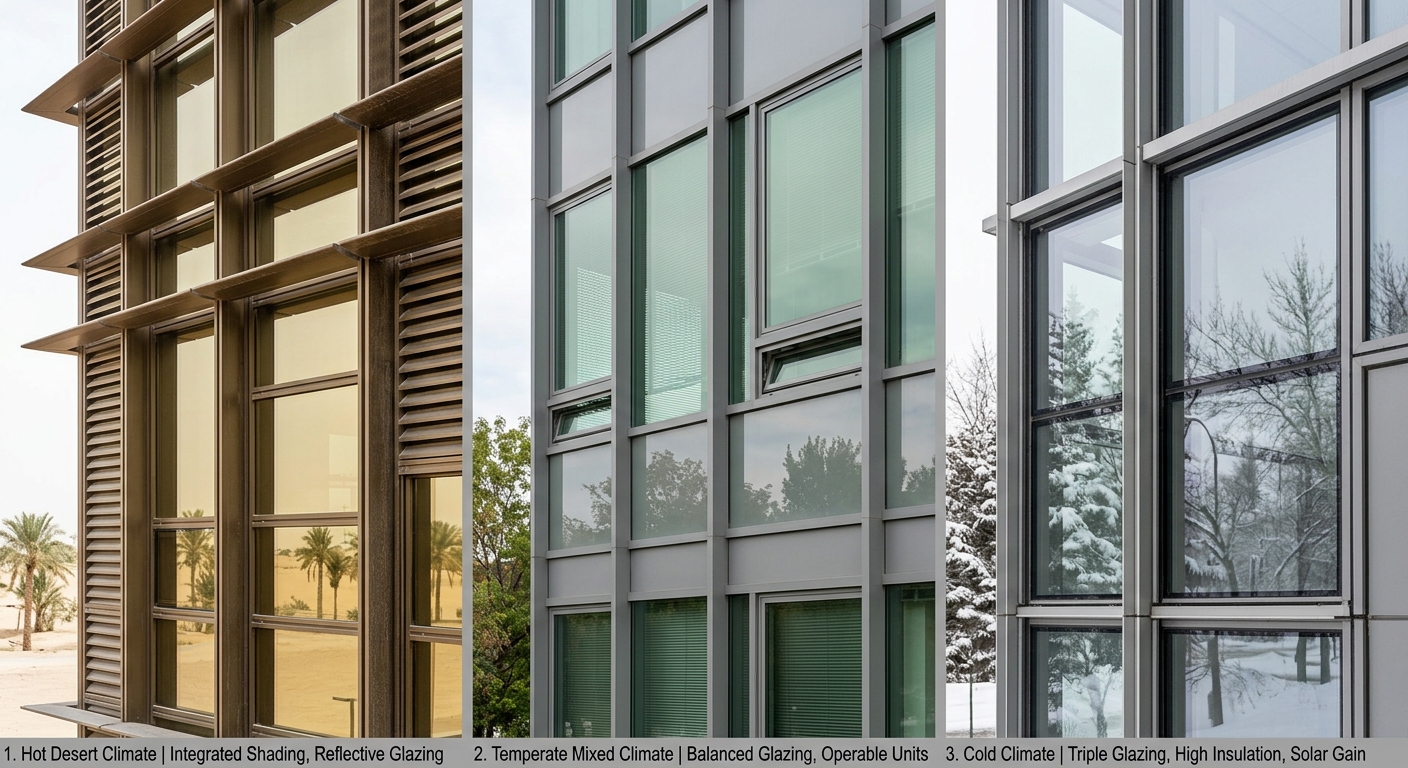
A glass spec mistake on a high-rise doesn’t show up in the construction budget — it shows up for 30 years in operating costs, tenant complaints, and (worst case) replacement.
A 0.10 difference in SHGC across a 15,000 m² façade can shift peak cooling load by 400–600 kW. That’s an entire extra chiller unit, plus the electrical infrastructure to feed it.
If VLT is too high and exterior shading wasn’t designed in, tenants install interior blinds — which trap heat between the blind and glass, defeating the SHGC you paid for and accelerating thermal stress fractures.
Sputtered (MSVD) low-E coatings are vulnerable to edge corrosion if the IGU seal fails. We’ve seen 10-year-old façades in coastal humid climates develop visible halos around the edge of every lite. The fix is full IGU replacement — at $250–450/m² installed, plus access scaffolding on a 40-story tower.
This is exactly the type of issue we cover in the 7 hidden costs of sourcing curtain walls overseas — glass is often where the cheapest bid becomes the most expensive façade.
The coating gets all the attention, but the rest of the IGU drives a third of the performance.
Aluminum spacers are cheap and conduct heat — the classic thermal bridge at the glass edge. Warm-edge spacers (stainless steel, structural foam, or thermoplastic) cut edge heat loss by 50–65% and reduce condensation risk. On a high-rise, the cost delta is minimal but the performance gain is real. We dug into this in hidden thermal bridges.
Argon is now standard — it cuts U-value by about 0.2 W/m²K vs. dry air for negligible cost. Krypton gives another 0.1–0.15 W/m²K improvement but costs 10x more per liter. Only worth it in triple-glazed IGUs with narrow (8–10mm) cavities.
In a standard IGU, surface #1 is the outermost. Low-E goes on surface #2 in cooling-dominated climates (reflects solar before it enters the cavity) and surface #3 in heating-dominated climates (keeps interior heat from escaping). Putting it on the wrong surface can swing SHGC by 0.05.
Increasingly required by code above 30m for safety glazing and post-breakage retention. A PVB or SGP interlayer also blocks 99% of UV and adds acoustic performance — a useful side benefit near airports or highways.
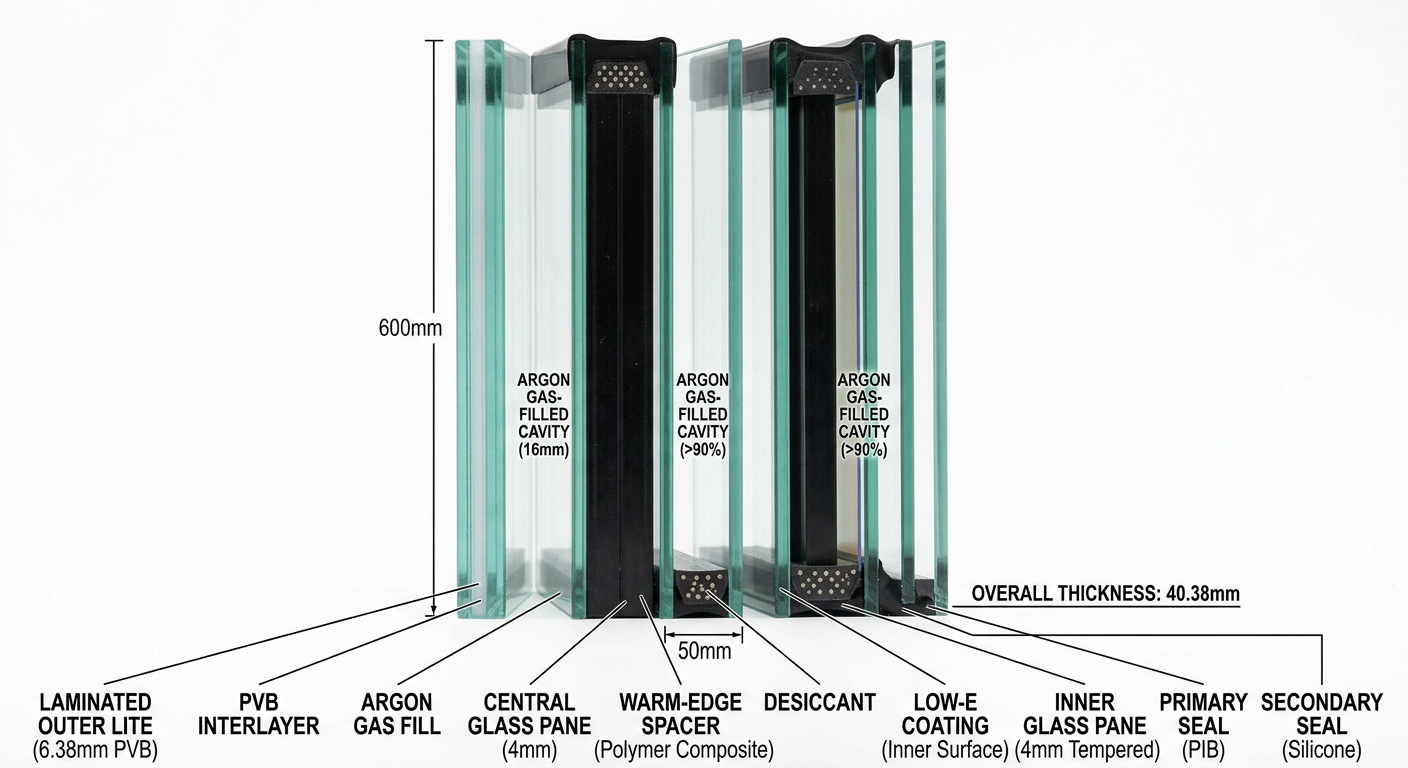
Performance numbers on a brochure mean nothing without verification. Before signing a glass purchase order for a high-rise project, get the following in writing.
For a 25,000 m² tower, the difference between a properly certified IGU package and a “equivalent” alternative offered at 15% lower cost can be $400,000+ in lifetime energy and a callback risk that lasts a decade. We’ve seen both outcomes. The good news is the verification process isn’t expensive — it’s just rigorous. Our manufacturing and QC process bakes these checkpoints into every project.
If you only have ten minutes to make a directional call before the energy modeler runs the real numbers, here’s the framework that gets you 80% of the way there.
A regional developer building a mid-rise office in Istanbul approached us last year with a stock “double-silver low-E” spec from their architect. Running through this framework surfaced that the west façade needed something more aggressive and the north needed something less restrictive. Final spec used two different IGU build-ups on the same tower — total glass cost rose 4%, but the modeled annual energy use dropped 11%.
Glass is the most visible part of a curtain wall, but it’s still just one component of a system. Frame thermal breaks, gasket design, and unitized vs. stick-built assembly all interact with glass performance. A U=1.1 IGU mounted in a frame with no thermal break gives you U=2.5 overall — and you’ve wasted half the money you spent on coatings.
The integration matters more than any single spec line. If you’re early in design, it’s worth reading our breakdowns on unitized vs. stick-built systems and wind load verification before you lock in glass. The best glass in the wrong frame is still a leaky, drafty, overheating façade.
If you’re working through glass selection on a tower currently in design or value engineering, our façade team can run climate-specific IGU comparisons against your existing energy model and flag where you’re over- or under-spec’d. Send us your project parameters — orientation, WWR, target SHGC and U, and code requirements — and we’ll come back with three certified IGU options sized to your performance and budget envelope. You can also browse our full curtain wall solutions for related system-level guidance.




Arabic

English

Spanish
Fill out the form below and our team will get back to you within 24 hours with a tailored solution.
