
APEX EcoBuilt
Leading Manufacturer of Aluminum Systems & Modular Housing
APEX EcoBuilt
Leading Manufacturer of Aluminum Systems & Modular Housing
 20 Jul, 2026Knowledges
The certification that matters most is the one your investors, tenants, or regulators actually recognize in your region — not the one with the most prestige. LEED dominates North America and the Middle East, BREEAM carries more weight in Europe and UK-linked infrastructure tenders, and Green Star is the standard if you’re building in Australia or New Zealand. Chasing the wrong badge for your market wastes months of documentation and thousands of dollars in consultant fees for a certificate nobody in your buyer pool cares about.
Ask ten sustainability consultants which certification is best and you’ll get ten different answers — because they’re not actually competing on the same axis. LEED, BREEAM, and Green Star aren’t ranked by rigor, they’re differentiated by region, building type, and who’s reading the certificate on the other end.
A developer building a resort in Dubai gains almost nothing from Green Star — nobody in that market is asking for it. But that same developer building in Perth would be foolish to pursue LEED instead of Green Star, because local planning authorities and investors expect the local standard. The real question isn’t ‘which is better’ — it’s ‘which one does my buyer, lender, or regulator expect to see.’
This matters even more for modular projects, where eco-friendly material sourcing decisions get locked in early. If you pick the wrong certification framework after materials are already ordered, you may be retrofitting your documentation instead of your building.
LEED (Leadership in Energy and Environmental Design) is the most recognized green certification worldwide, and that recognition is exactly its value proposition. If your capital is coming from US institutional investors, or you’re building in the Gulf where LEED Gold has become a near-default expectation for landmark towers, LEED is the obvious call.
Prefabricated construction earns credits under Materials and Resources (reduced waste, recycled content in aluminum systems) and sometimes Innovation credits for offsite manufacturing itself. Aluminum curtain wall systems with high recycled content — something worth confirming with your supplier — directly support Materials & Resources scoring.
For instance, a hotel developer building a modular resort tower in Riyadh might target LEED Gold specifically because their financing partner requires it as a loan covenant. In that case, the certification isn’t optional — it’s contractual. Getting your curtain wall thermal performance specs right early makes hitting LEED’s energy prerequisites much easier later.
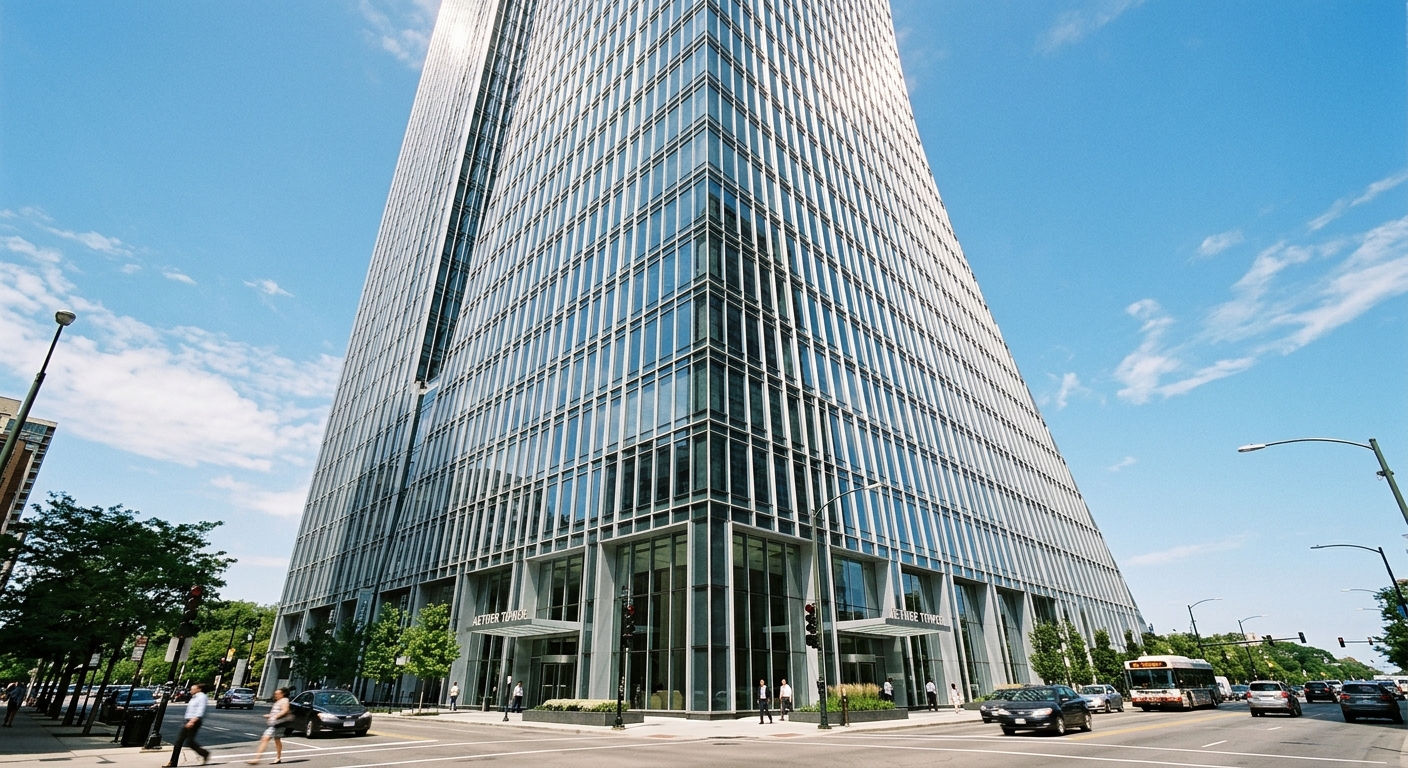
BREEAM (Building Research Establishment Environmental Assessment Method) leads in the UK and much of continental Europe, and it’s frequently written directly into public sector tender requirements. If you’re bidding on a government building, hospital, or infrastructure project in Europe or a Commonwealth-linked Gulf state, BREEAM is often non-negotiable — it’s specified in the tender document, not chosen by you.
BREEAM weighs whole-lifecycle impact more heavily than LEED, including construction-phase management credits (Man 03) that specifically reward reduced site disruption — a category where modular and offsite construction have a natural advantage since most fabrication happens in a controlled factory rather than on-site.
This lines up well with the case made in our modular vs. traditional carbon savings breakdown — factory-built components generate measurably less on-site waste and disruption, which is exactly what BREEAM’s construction management credits are designed to reward.
Green Star is the Australian and New Zealand equivalent, and while its recognition is more geographically limited than LEED or BREEAM, it’s essentially mandatory for major projects in those markets. It’s increasingly influential in parts of Southeast Asia too, as regional investors adopt it as a due-diligence benchmark.
Green Star’s Innovation Challenge category is worth flagging specifically — it directly rewards prefabrication and modular construction as an innovation credit, something LEED and BREEAM don’t call out as explicitly. If your project is in this region, that’s a credit you shouldn’t leave on the table.
Certification isn’t free, and the fees are just the visible tip of the cost. Registration and review fees typically run from a few thousand to tens of thousands of dollars depending on project size, but the bigger cost is the consultant time needed to compile documentation — often 3 to 6 months of a sustainability consultant’s involvement.
This is where a lot of developers get blindsided. If you haven’t planned certification requirements into your procurement timeline from day one, you’ll end up scrambling for material data sheets, recycled-content certificates, and testing reports after the fact — a scenario we cover in more detail in why green building projects run over budget. Ask your manufacturer for certification-ready documentation (EPDs, recycled content statements, ISO compliance records) before you sign the supply contract, not after.

A mid-sized developer building a modular staff housing complex for a mining operation in Western Australia initially pursued LEED certification because their US-based parent company defaulted to it in every project brief globally. Four months into documentation, their local financing partner and planning authority both required Green Star Communities compliance instead — the LEED work had to be substantially redone under a different framework.
The lesson: check what your specific site jurisdiction and financing partner require before choosing a framework, not what your head office prefers by habit. This is especially critical for fast-deployable worker camps and remote-site modular buildings, where local regulatory expectations often differ sharply from corporate defaults.
Here’s the good news: a lot of the groundwork overlaps across all three certifications. High-recycled-content aluminum, low-VOC finishes, and verified thermal performance data support credits in LEED, BREEAM, and Green Star simultaneously. You’re not choosing entirely different materials for each — you’re documenting the same good decisions differently.
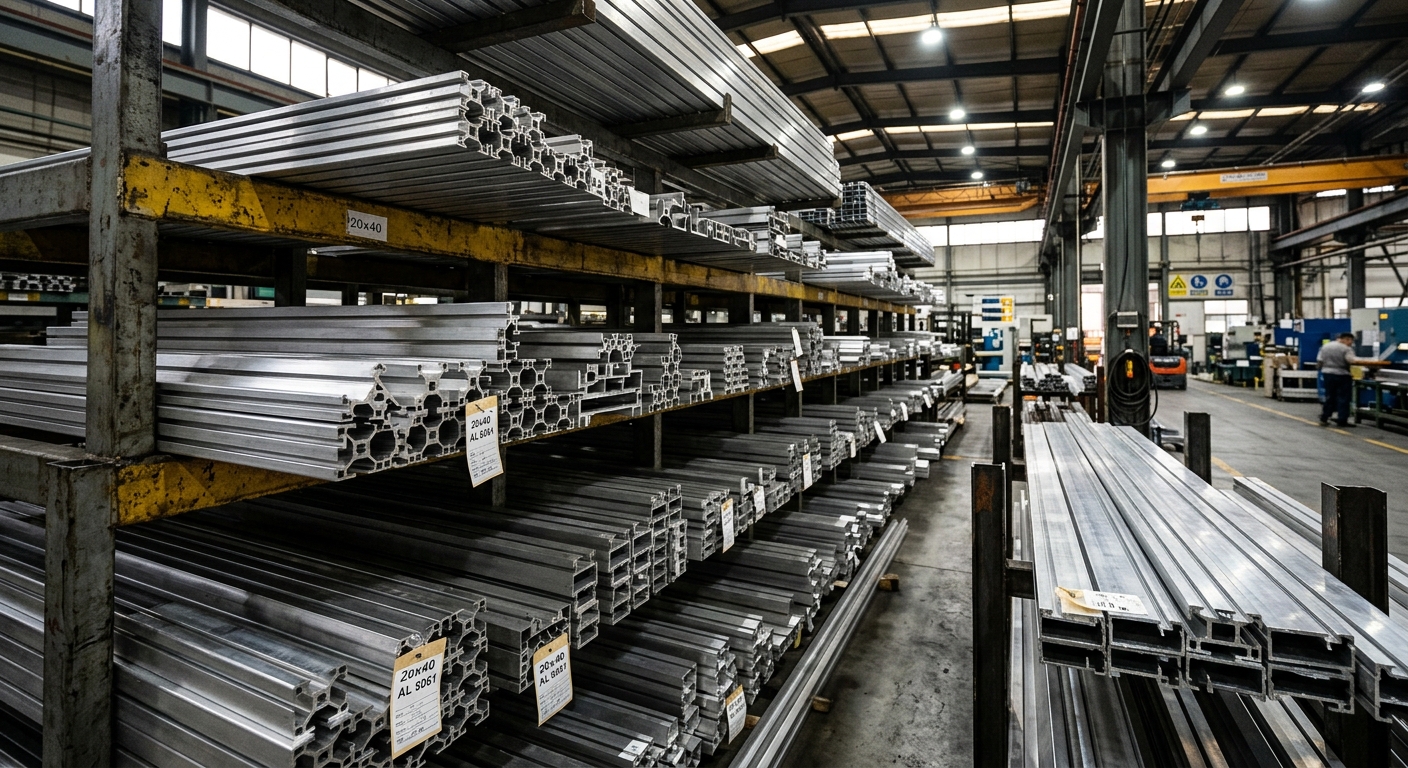
Aluminum systems using 6063 or 6061 alloy with certified recycled content, paired with a durable finish like PVDF or anodized coatings, tick boxes across all three frameworks — durability credits, recycled material credits, and reduced maintenance/lifecycle impact credits. Ask your supplier for Environmental Product Declarations (EPDs) upfront; they’re the single document that speeds up scoring under any of the three systems.
Not every project needs formal certification, and pursuing one anyway can be a waste of budget. If you’re building a private industrial warehouse with no institutional financing requirement, no public tender obligation, and no marketing angle that benefits from a plaque on the wall, the ROI on certification fees may not be there.
In those cases, it’s often smarter to apply the underlying principles — good insulation values, durable low-maintenance materials, reduced site waste — without paying for the formal assessment process. Our piece on R-values, U-values, and SRI metrics covers how to verify genuine performance even without a certification stamp attached.




Arabic

English

Spanish
Fill out the form below and our team will get back to you within 24 hours with a tailored solution.
