
APEX EcoBuilt
Leading Manufacturer of Aluminum Systems & Modular Housing
APEX EcoBuilt
Leading Manufacturer of Aluminum Systems & Modular Housing
 26 Jun, 2026Knowledges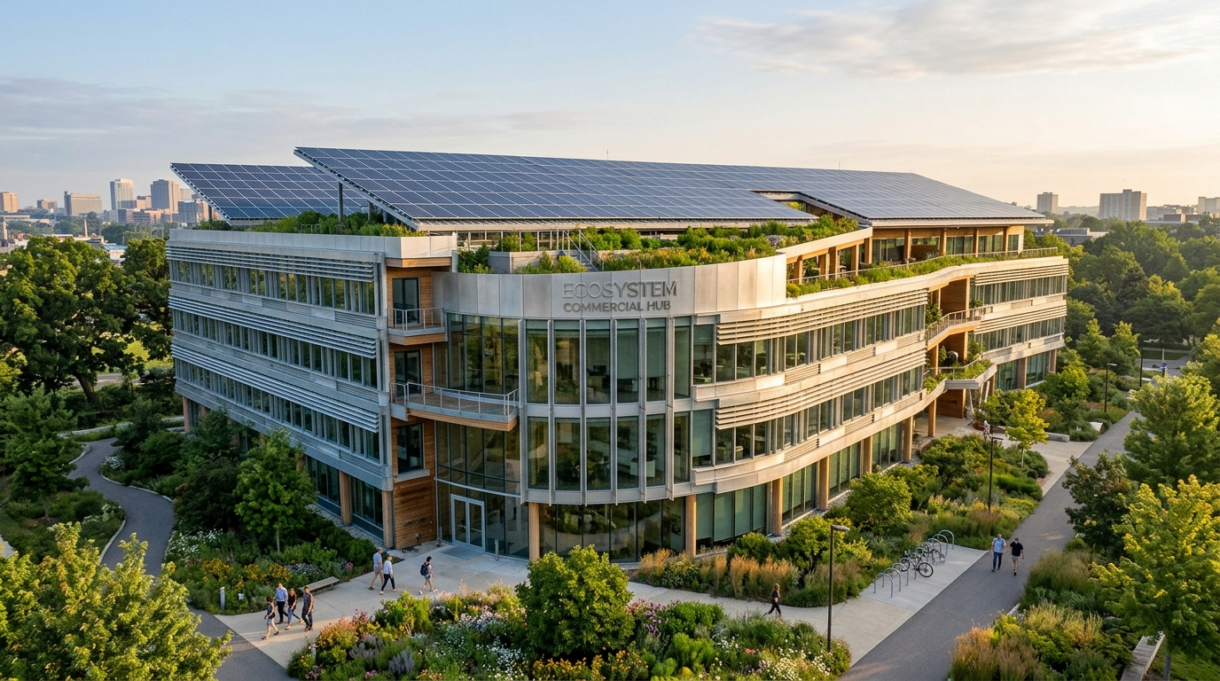
Choosing the right eco-friendly building materials in 2026 comes down to four non-negotiables: verified embodied carbon data (ideally an EPD), proven lifecycle durability, recognized third-party certifications, and a supplier who can actually deliver at scale. Skip any one of these and you’re either overpaying for a greenwashed product or locking in hidden costs that surface five years into operation. The rest of this guide shows you exactly how to pressure-test each factor before you sign a purchase order.
If a supplier can’t hand you an Environmental Product Declaration (EPD), treat the “eco-friendly” label with suspicion. EPDs are third-party verified documents that list kilograms of CO₂ equivalent per kilogram of product, measured across the full cradle-to-gate cycle. Without one, you’re buying a story, not a specification.
For reference, primary aluminum sits around 16 kg CO₂e/kg. Recycled aluminum drops that to 0.5–2.3 kg CO₂e/kg — a 90%+ reduction. That single data point often determines whether a curtain wall project qualifies for LEED v4.1 or BREEAM Excellent ratings.
A European developer we worked with recently rejected three bids on a 40,000 m² facade project because the suppliers couldn’t produce EPDs under 3 kg CO₂e/kg. The fourth bidder could — and won the contract despite a 4% higher unit price, because the carbon credits alone offset the premium.
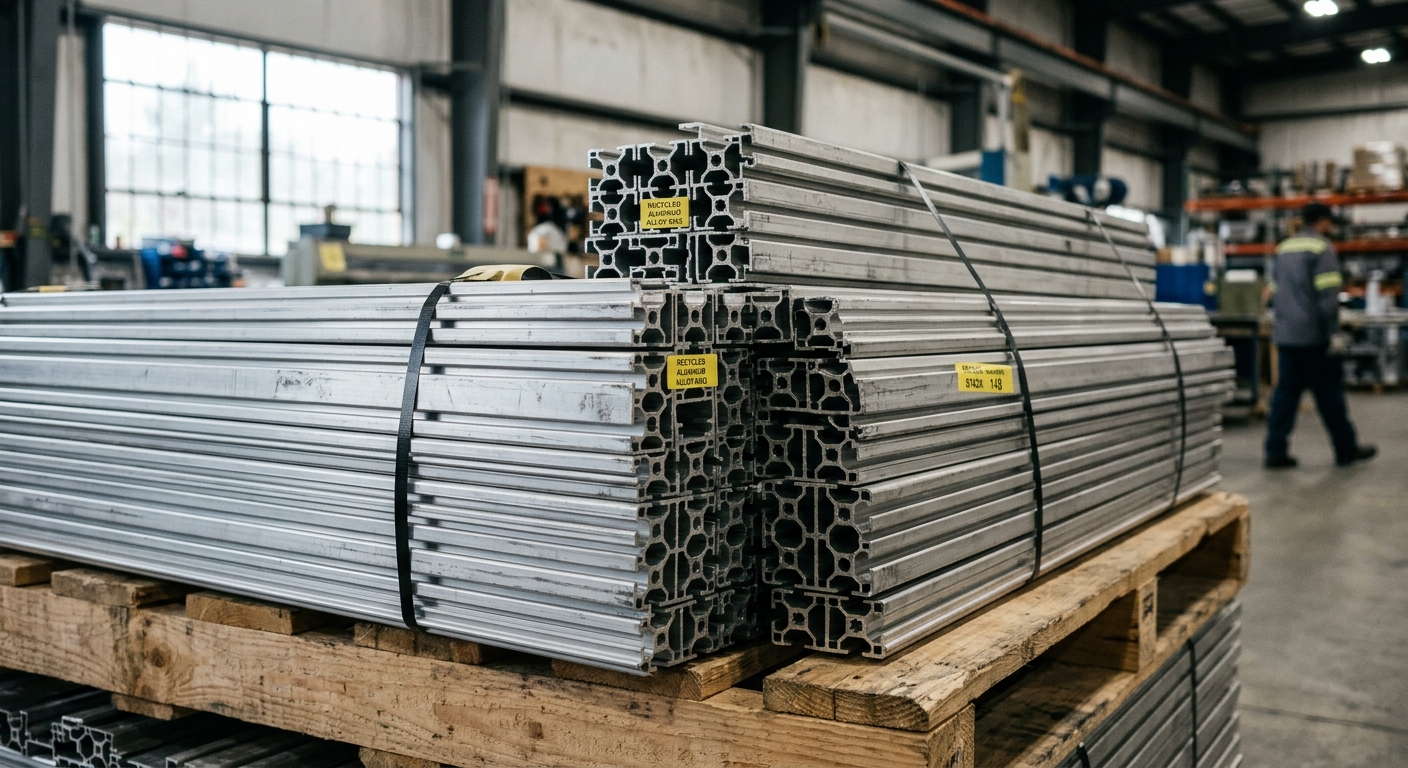
A cheap “green” material that degrades in 15 years isn’t green — it’s a future demolition bill. The honest way to compare materials is Total Cost of Ownership (TCO) across a 50-year horizon, factoring in maintenance, replacement, and end-of-life recycling value.
Aluminum curtain walls, for instance, typically run 30–40% higher upfront than painted steel alternatives. But with a 50+ year service life, near-zero corrosion in most climates, and 95%+ recyclability at disposal, the lifetime cost per square meter drops well below steel. Recycled aluminum can be re-melted using just 5% of the energy required to produce primary metal — meaning your building becomes a carbon bank at end-of-life.
For a practical lens on how structural choices shift these numbers, our analysis of modular vs. traditional eco construction carbon savings breaks down the 50-year math in detail.
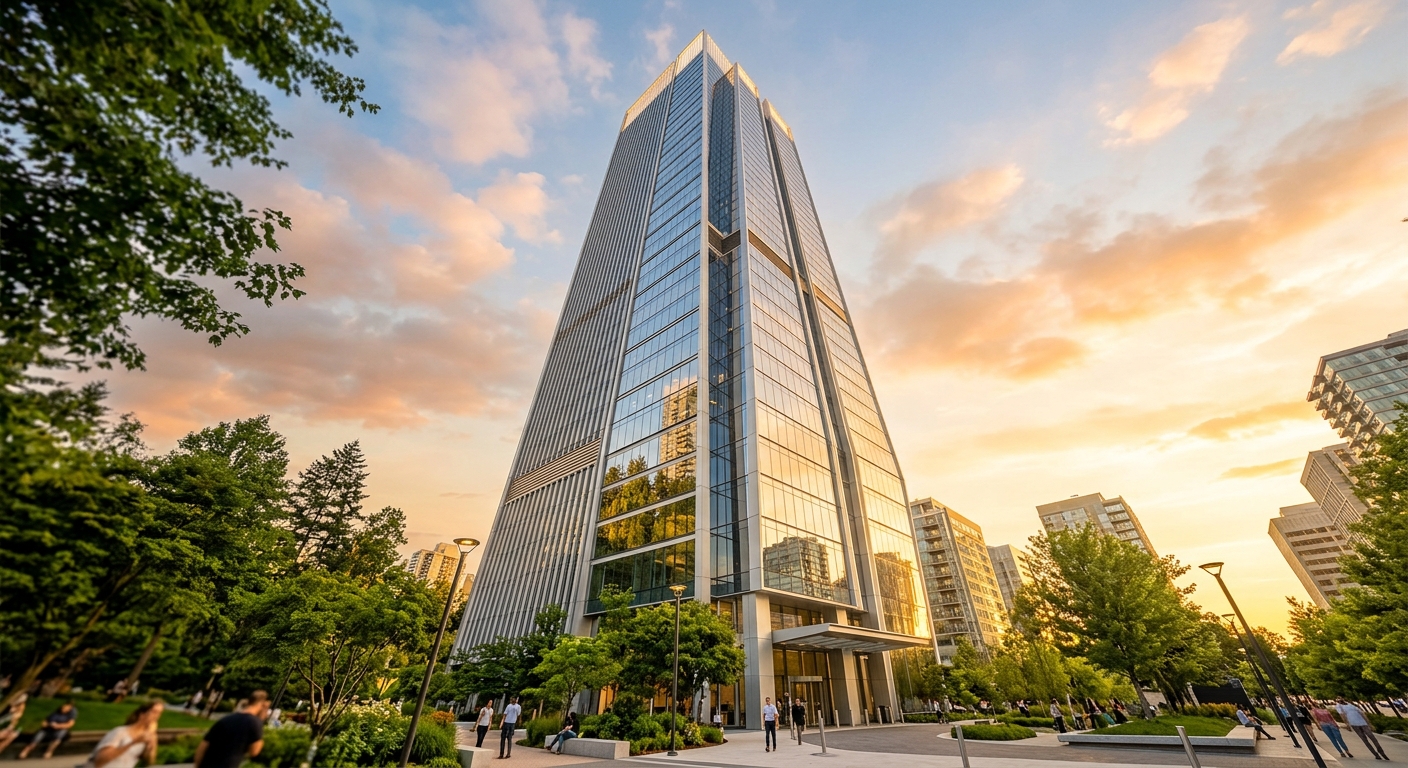
Certifications are currency — but only the right ones. Here’s the short list I’d insist on when evaluating any major sustainable building material in 2026:
Regional certifications like CE marking (Europe), CCC (China), and Energy Star (North America) are compliance baselines — not sustainability proof. Don’t let a supplier conflate the two. You can see how we structure our own certification stack on our manufacturing capabilities page.
A material that’s sustainable in Oslo can be a disaster in Dubai. Eco performance is climate-dependent, and spec decisions should start with the local weather envelope, not the catalog.
Aluminum with thermal-break profiles and high-SHGC (solar heat gain coefficient) glazing dramatically reduces HVAC load. Standard PVC window frames can warp above 55°C — common on Middle East facades. For a deeper technical walkthrough, see our guide to specifying curtain wall systems for Middle East climates.
Untreated timber rots. Concrete with high fly-ash content can suffer accelerated carbonation. Anodized or powder-coated aluminum and stainless fasteners typically win here.
Thermal bridging becomes the enemy. Multi-chamber aluminum profiles with polyamide thermal breaks (minimum 24 mm) deliver U-values below 1.4 W/m²K while keeping recyclability intact.
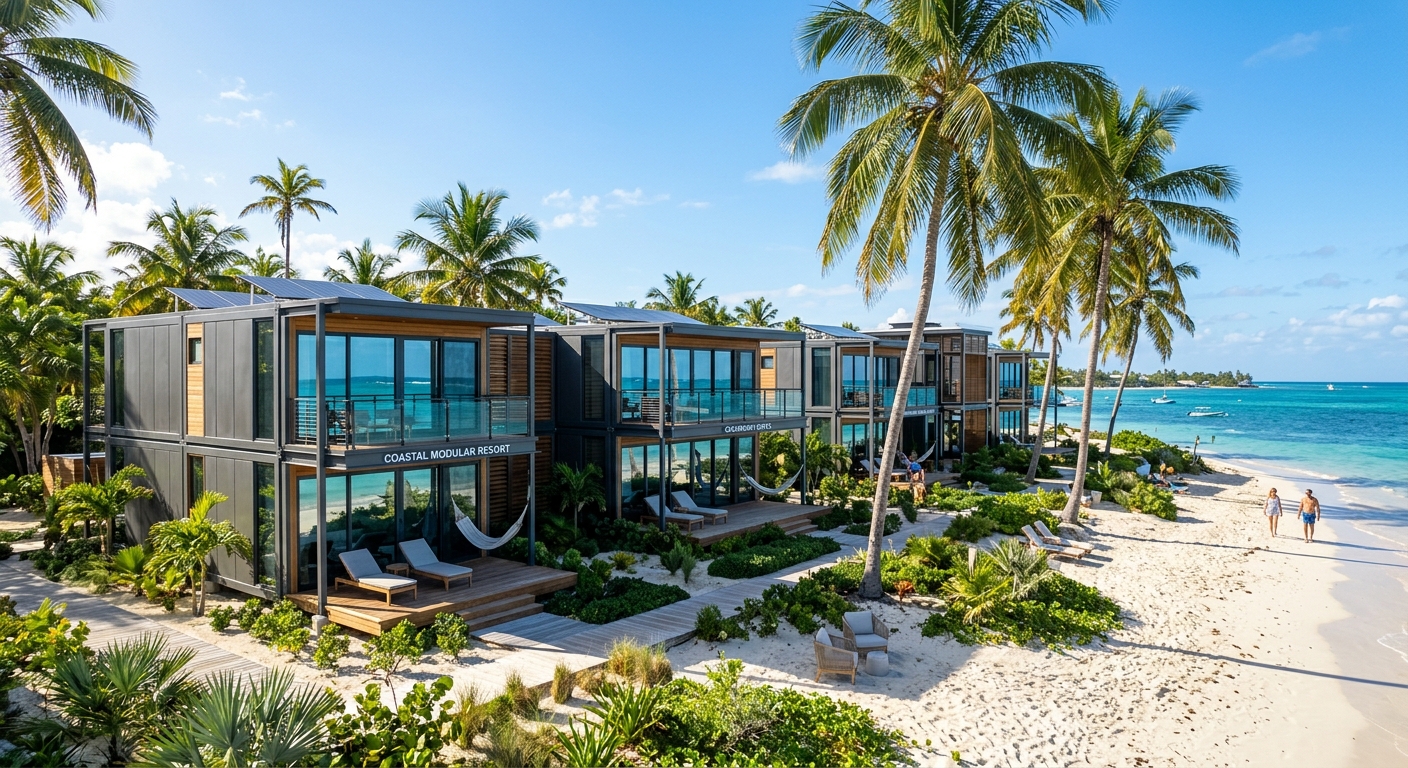
A resort developer in Southeast Asia recently switched from treated timber cladding to anodized recycled aluminum panels after two years of mold remediation costs exceeded the material delta. That’s the climate-spec conversation done properly.
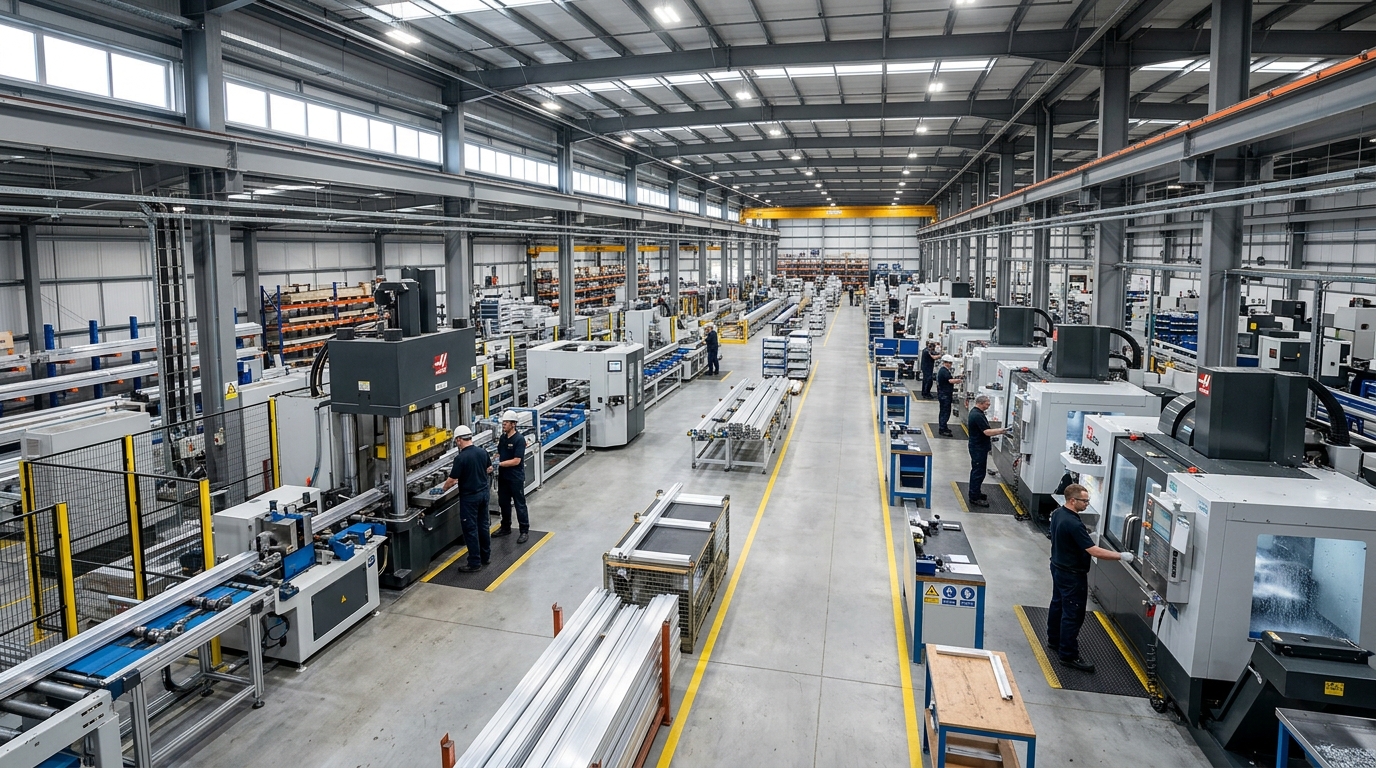
Here’s an uncomfortable truth: a material is only as sustainable as the factory that made it. You can buy “recycled aluminum” from a plant powered by coal and end up with worse embodied carbon than primary metal from a hydroelectric smelter.
Before committing to a supplier, demand documentation on:
This is where factory tours, virtual or in-person, matter. A 150,000 m² facility with integrated anodizing, powder coating, and thermal-break assembly under one roof eliminates the emissions-heavy inter-plant shipping that plagues fragmented suppliers. Our company background covers how we structure this vertically.
Greenwashing in 2026 is more sophisticated than a green leaf logo. Watch for these patterns:
If a supplier bristles when asked for documentation, that’s your answer. Real sustainability leaders hand over data packs without hesitation.
The most overlooked question in material selection: what happens in 50 years? Circular economy thinking means designing for disassembly now, so the building becomes a material bank later.
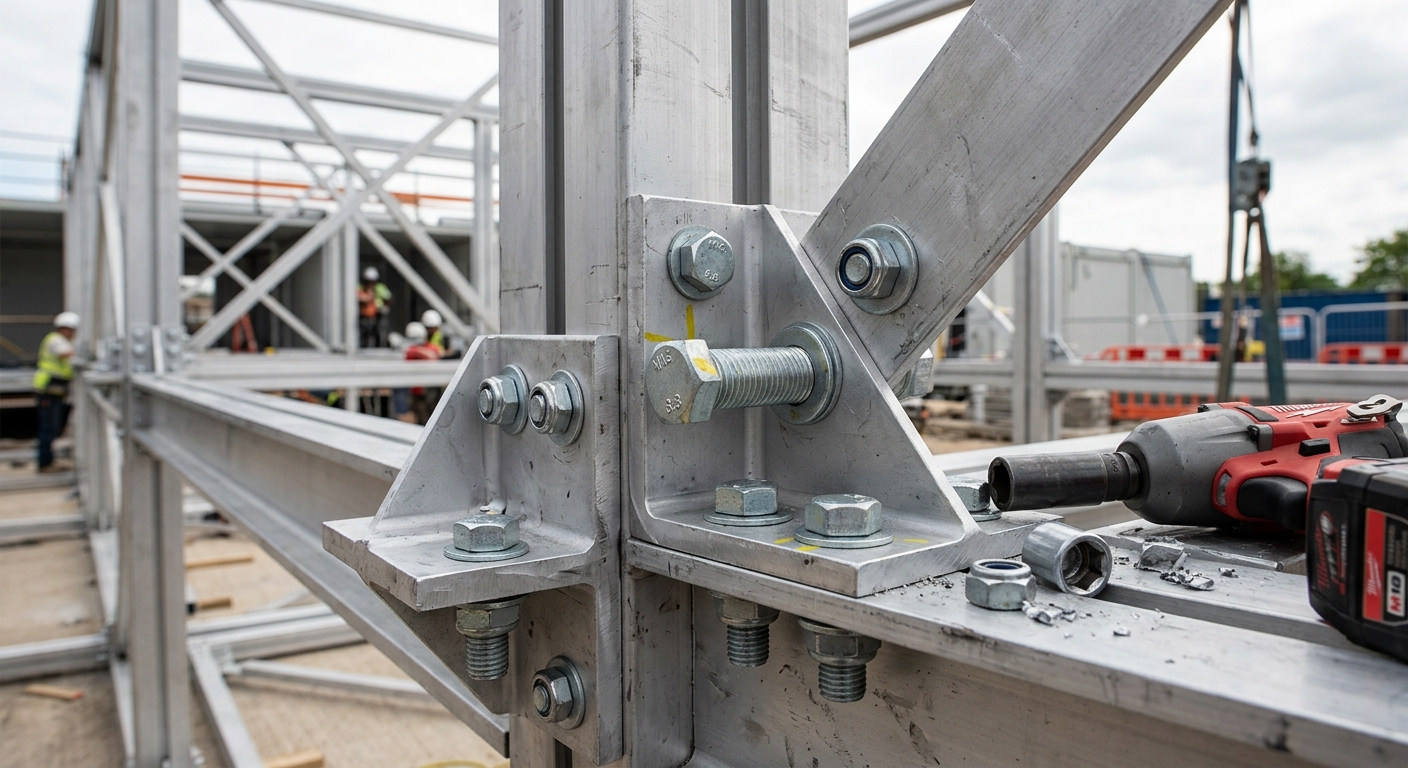
Aluminum leads here because it can be melted and reformed infinitely without property loss. Properly specified mechanical fasteners (rather than glued composites) let curtain wall units be unbolted, not demolished. Bolt-together modular buildings can be relocated — a feature that’s made modular housing a go-to for mining camps and temporary worker accommodations across Australia and the Middle East.
Specify these design-for-disassembly features in your material RFQ:
Before issuing an RFQ for any major material category in 2026, run the candidate through this 10-point check:
If a material hits 8+ out of 10, it deserves a seat at the table. Fewer than 6, move on.
Eco-friendly material selection in 2026 isn’t about finding the “greenest” product on a shelf — it’s about matching verified carbon data, climate suitability, certified supply chains, and lifecycle economics to your specific project. The buyers getting this right treat sustainability as a procurement discipline, not a branding exercise. They demand EPDs, they audit factories, they calculate 50-year TCO, and they design for disassembly.
If you’re scoping a curtain wall, modular building, or large-scale aluminum system for a 2026 project, our team can help you pressure-test material options against carbon targets, climate conditions, and delivery timelines. Browse our solutions portfolio or get in touch to request EPDs, factory documentation, and a lifecycle comparison for your project.




Arabic

English

Spanish
Fill out the form below and our team will get back to you within 24 hours with a tailored solution.
