
APEX EcoBuilt
Leading Manufacturer of Aluminum Systems & Modular Housing
APEX EcoBuilt
Leading Manufacturer of Aluminum Systems & Modular Housing

 05 Jun, 2026Knowledges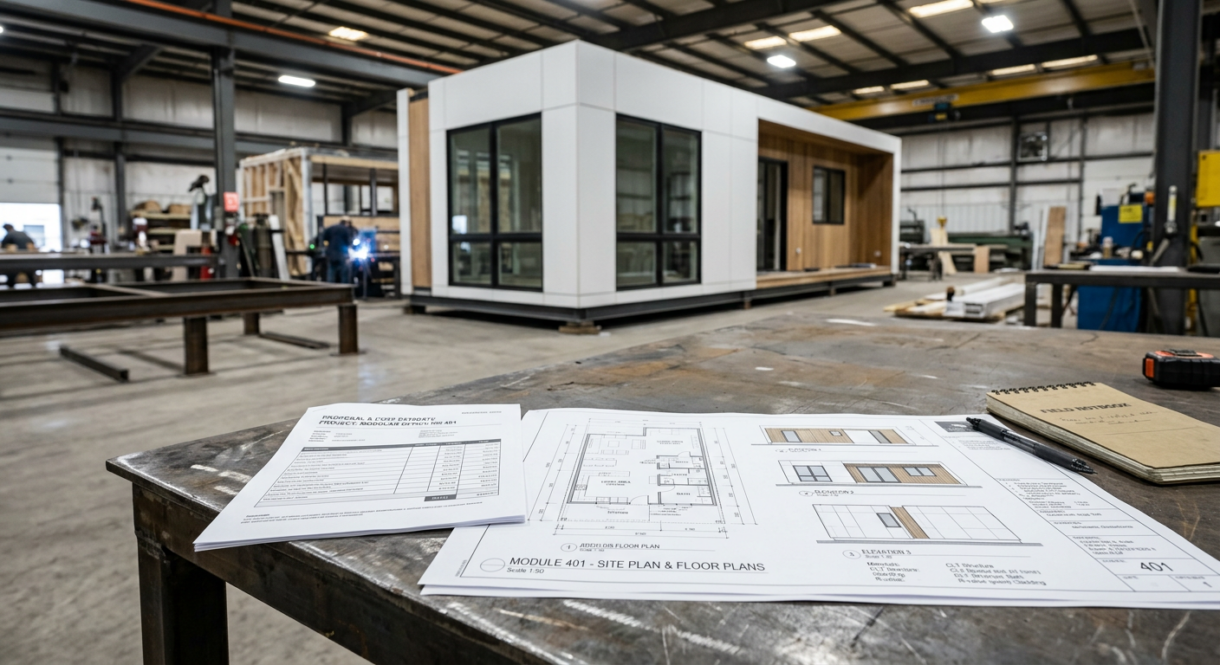
Prefab quotes balloon because the original number was never really a price — it was an estimate built on half-defined scope. The fix isn’t haggling harder; it’s writing a tighter RFQ, locking Incoterms and FX upfront, and signing a milestone-based fixed-price contract where every variation has a pre-agreed rate. Do those three things and your final invoice will land within 2–3% of the quote you signed, not 25% above it.
Here’s the uncomfortable truth — most prefab cost overruns start on the buyer’s side, not the factory’s. A vague RFQ forces the supplier to guess. They guess low to win the bid, then claw back margin through change orders once you’re too committed to walk away.
We’ve audited dozens of ballooned projects and the root causes cluster into five buckets:
Only the last one is genuinely your fault. The other four are preventable with better paperwork.

A prefab building has roughly 400–600 priced line items — structure, envelope, MEP, interior finishes, fixings, fire protection, transport. If your RFQ only names 30 of them, the other 370 get assumed. And assumptions are where margin hides.
For a single wall panel, a loose RFQ might say: “75mm insulated sandwich panel, white.” A tight one reads:
That specificity turns a guess into a price. A contractor in Oman learned this the hard way — their original panel spec was one sentence long. The factory quoted on mineral wool core. The architect later required PIR for fire compliance. Result: a $62,000 variation on a $480,000 envelope package.
EXW looks cheapest on paper. It’s almost always the most expensive in practice.
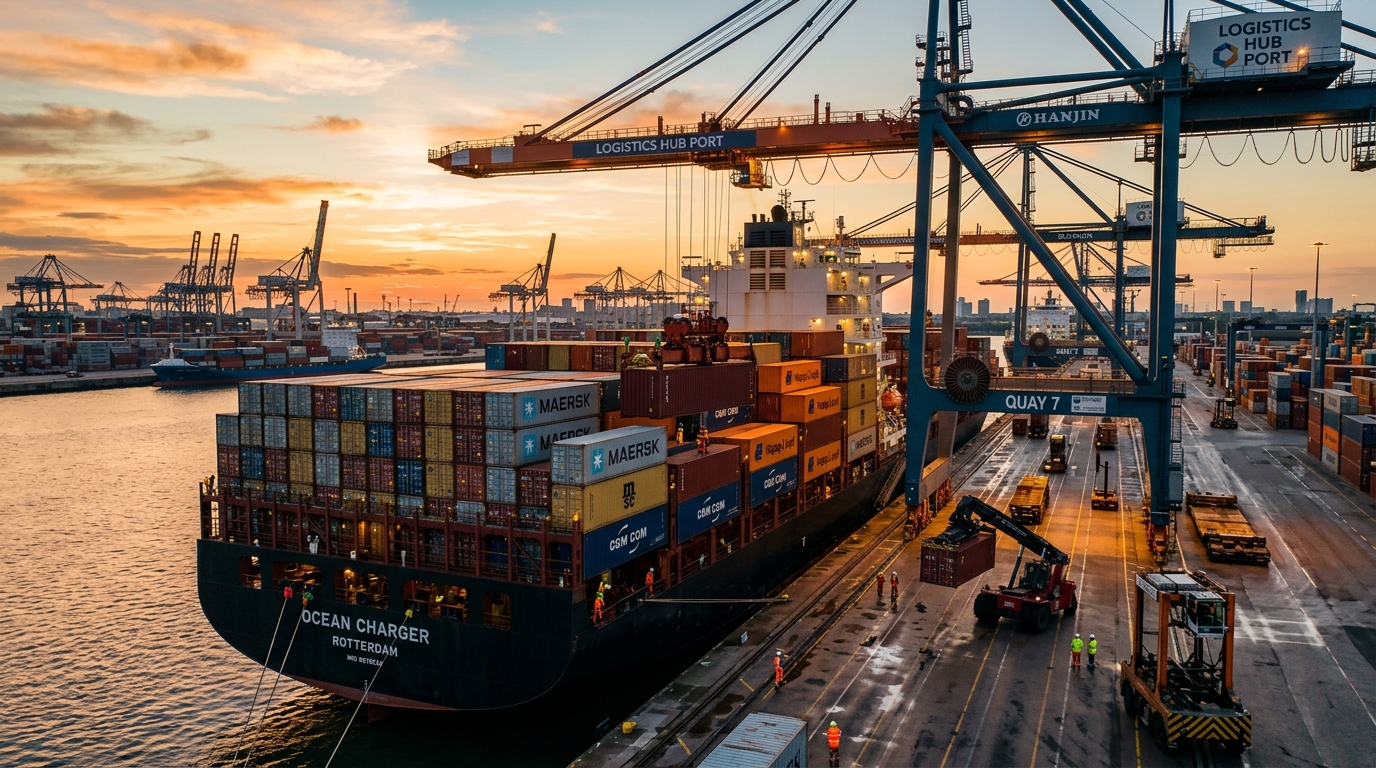
Under EXW, the buyer arranges everything from factory gate onward — inland trucking, export clearance, port handling, ocean freight, destination port fees, import duties, and final delivery. For a 40-container modular project from China to the Middle East, that’s typically $180,000–$240,000 of logistics most buyers don’t price until the containers are on the water.
Yes, DAP looks 8–12% more expensive than EXW. It isn’t. It just exposes the real cost upfront — which is exactly what you want. For a deeper look at hidden sourcing costs, see our breakdown of modular vs traditional construction trade-offs.
Pricing before engineering is like quoting a suit before you’ve taken the measurements. You’ll get a number. It just won’t mean anything.
Before you request a fixed price, the following must be frozen:
A hospitality developer we supported in Saudi Arabia initially quoted at 0.6 kN/m² wind load (regional default). Site-specific calculation pushed it to 1.1 kN/m² because of coastal exposure. Steel tonnage jumped 18%. Had the number been signed at the lower load, that 18% would’ve become a change order with markup on top.
Want to see how we handle this engineering stage? Our manufacturing and capabilities page outlines the pre-production engineering review we run before any fixed-price quote is issued.
Lump-sum payments are where leverage dies. Once you’ve paid 50% upfront, you’ve lost the power to push back on variations.
Crucially, each milestone should be gated by a written deliverable — drawings signed, QC report accepted, BL issued. No deliverable, no payment. That single clause has saved buyers we work with from unlocking cash against nothing.
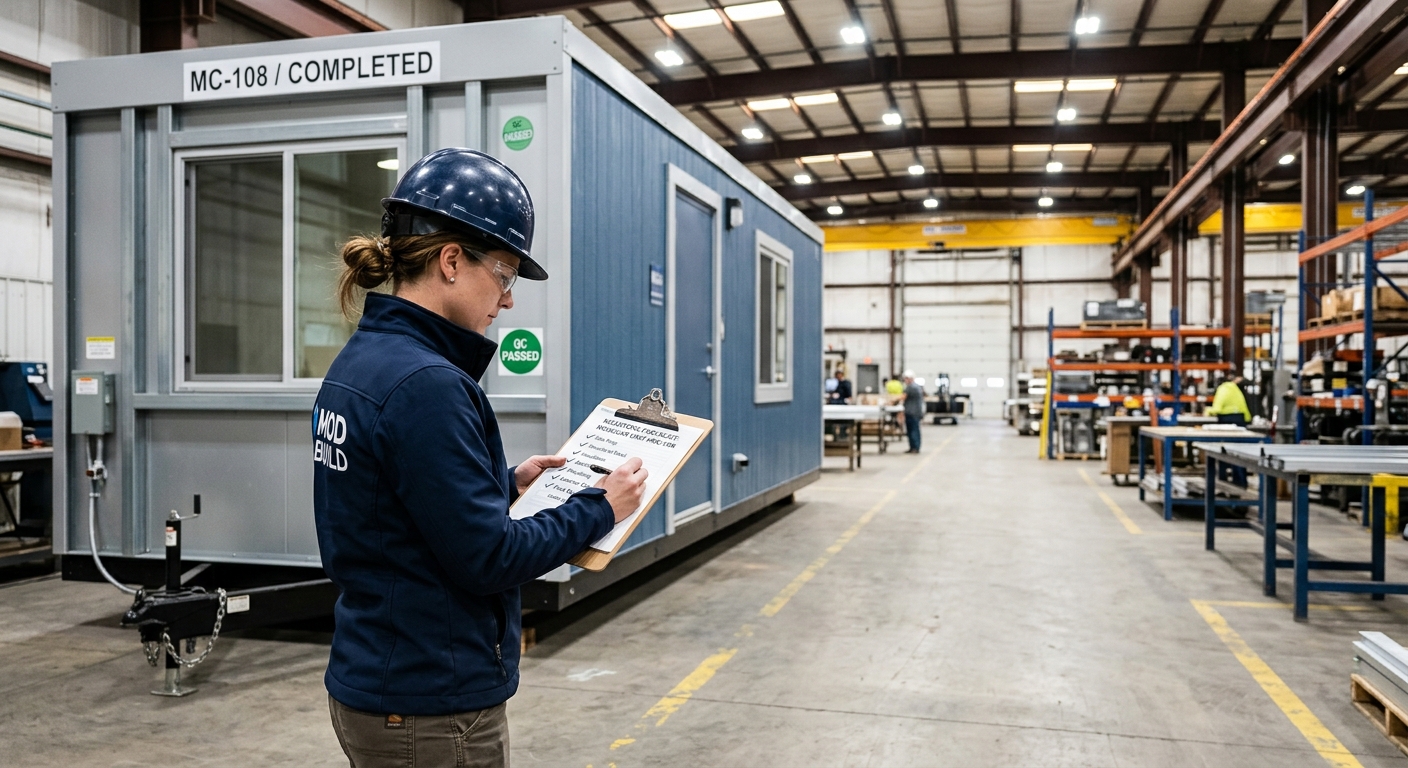
Every fixed-price contract needs an exhibit most buyers forget: a pre-agreed rate schedule for common variations. Because changes will happen. The question is whether they cost you list price or panic price.
With this schedule signed upfront, a mid-project change becomes arithmetic, not negotiation. A 40m² cladding addition at the pre-agreed rate of $145/m² is $5,800. The same change priced reactively? We’ve seen quotes north of $14,000 for identical scope.
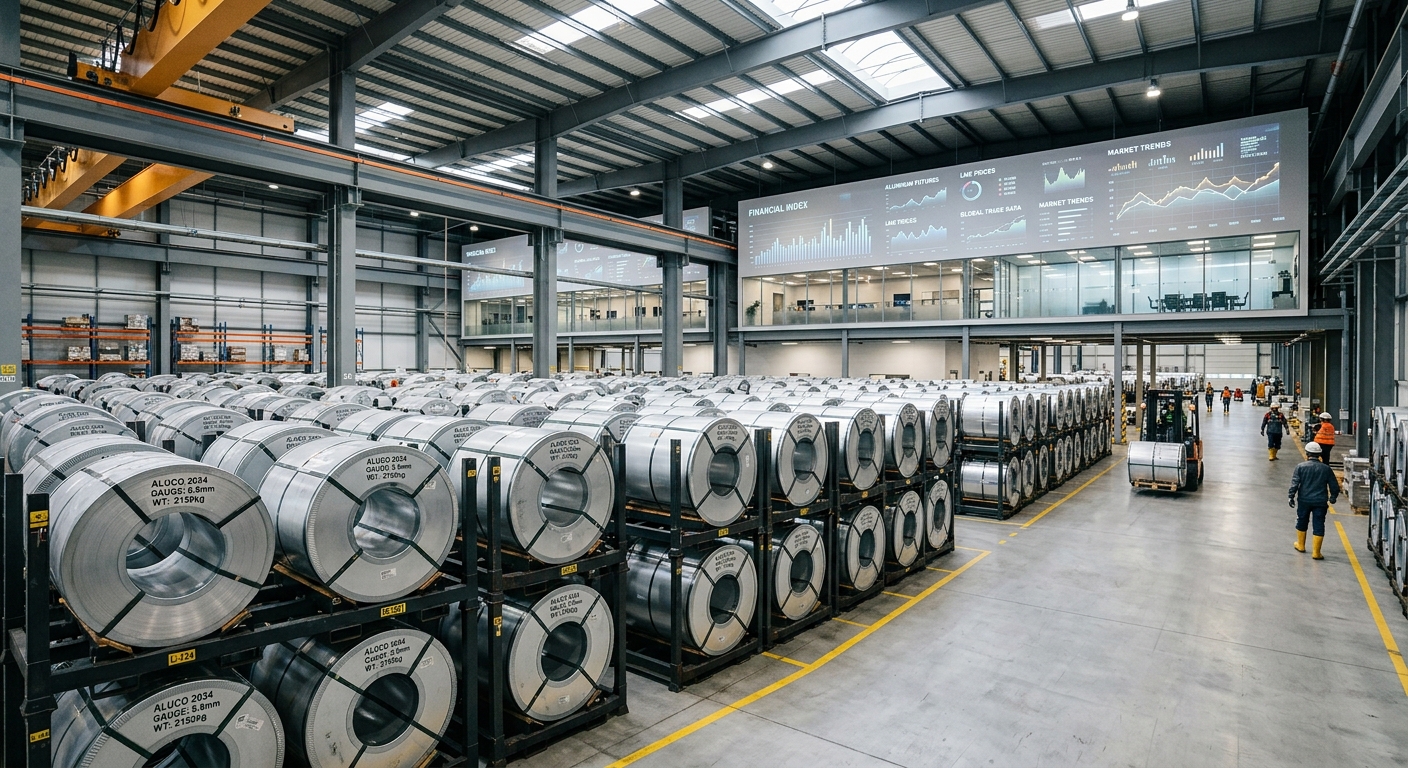
A 6-month prefab project is a 6-month FX bet. Aluminum, steel, and copper prices can swing 10–15% in that window. Someone has to absorb that risk — and if your contract doesn’t say who, it defaults to you.
A European contractor sourcing aluminum curtain wall systems for a 12,000m² project negotiated an LME-linked clause with a ±4% cap. Aluminum rose 9% during production. Their cost exposure: 4%. Without the cap: 9%. On a $1.8M envelope, that’s $90k saved on one clause.
After 20+ years in this industry, we can usually predict which quotes will overrun just by reading them. Watch for:
A quote should feel almost boringly specific. If reading it feels fast and easy, that’s a warning sign, not a selling point.
A proper fixed-price quote for a modular or curtain wall project runs 25–60 pages. It includes:
It should take 3–5 business days to produce. If a supplier returns something comprehensive in 24 hours, they’ve copy-pasted from a previous project — which means your scope gaps are still buried in there somewhere.
To recap the sequence that keeps your prefab price stable from RFQ to final invoice:
Done well, this process adds 2–3 weeks to your pre-contract timeline. It also typically saves 15–25% on total delivered cost versus the loose-RFQ approach — and eliminates the 3am emails about unexpected variation orders.
If you’re at the RFQ stage for a modular build or curtain wall envelope and want a quote written this way from the start, the team at apexecobuilt does exactly that. Browse our solutions and current projects, or get in touch with your scope and we’ll come back with a fixed-price package that holds.




Arabic

English

Spanish
Fill out the form below and our team will get back to you within 24 hours with a tailored solution.
