
APEX EcoBuilt
Leading Manufacturer of Aluminum Systems & Modular Housing
APEX EcoBuilt
Leading Manufacturer of Aluminum Systems & Modular Housing
 12 Oct, 2026Industry
Aluminum resists coastal corrosion better than steel because it forms a thin, self-healing oxide layer the moment it’s exposed to air, but that natural protection only goes so far near the sea. Salt-laden air accelerates pitting, galvanic corrosion at dissimilar-metal contacts, and crevice attack in poorly drained joints. The alloy you choose, the finish you apply, and how the facade is detailed determine whether that curtain wall holds up for the long haul or starts showing staining and corrosion within just a few years.
Key takeaways
Ask most spec writers why a coastal facade failed early and you’ll get a vague answer: ‘it corroded.’ That’s not an explanation, it’s a shrug. The actual failure modes are specific, predictable, and mostly preventable once you know what you’re looking at.
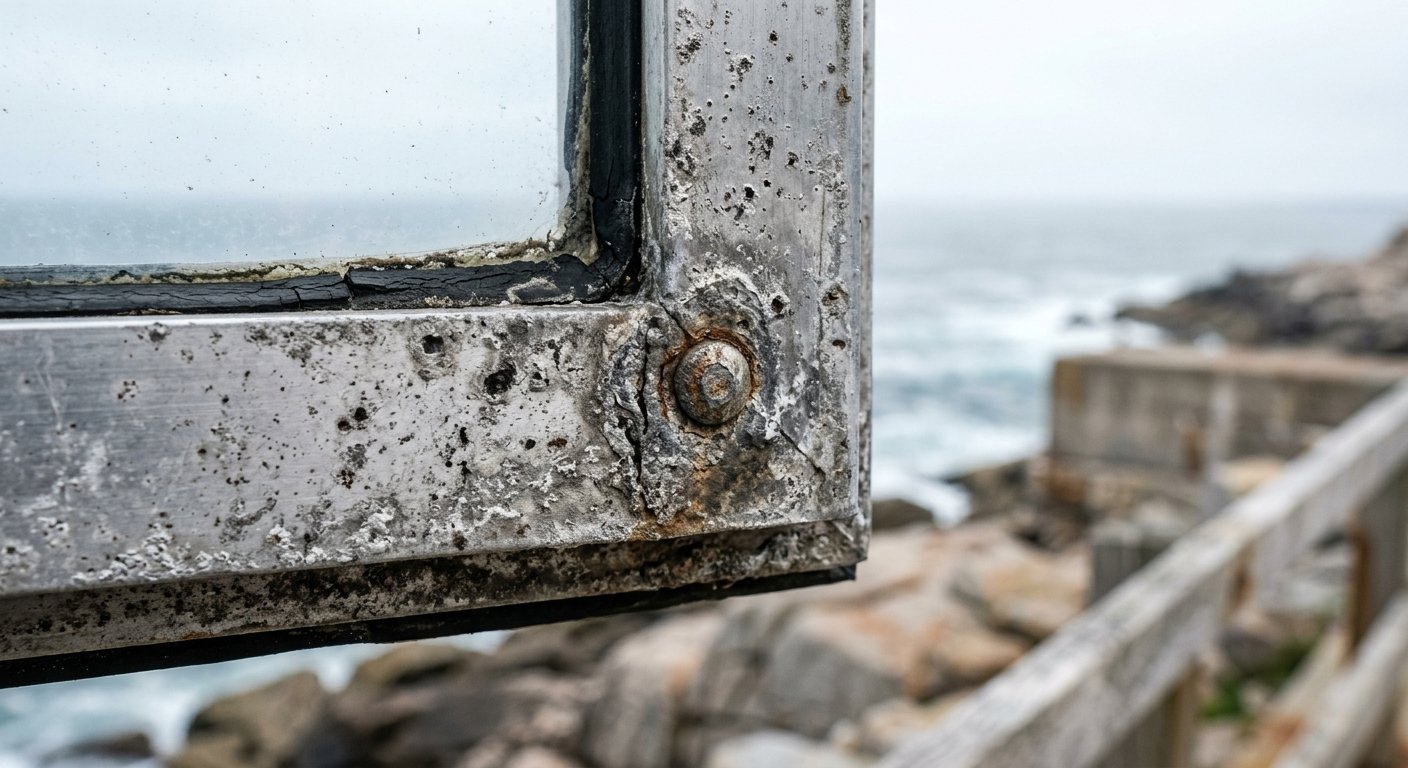
Chloride ions in sea air don’t corrode aluminum evenly. They attack the oxide layer at weak points, breaking it down locally and creating small pits that deepen over time. A facade can look fine from ten meters away while pitting quietly eats into the surface underneath.
Gasket channels, overlapping frame sections, and anywhere two aluminum surfaces sit close together without airflow become traps. Salt-laden moisture gets in but doesn’t evaporate out, and the stagnant film accelerates attack far faster than open-air exposure would.
Where aluminum frames contact steel fasteners, brackets, or flashing without isolation, you get a galvanic cell. The aluminum becomes the sacrificial anode and corrodes preferentially around the contact point, often invisibly until the fastener loosens.
And here’s the part most inland-focused specs miss: a mill-finish or thin anodized coating rated for a suburban office park simply isn’t built for marine air drift zones, typically the first few kilometers from the coastline, where airborne salt concentration is highest.
Yes, aluminum is more corrosion resistant than bare steel in seawater and salt air, but the reason matters more than the yes. The moment aluminum is exposed to oxygen, it reacts to form a layer of aluminum oxide only a few nanometers thick. Scratch it, and it reforms almost instantly. That self-healing property is why aluminum has become the default metal for coastal construction over unprotected steel.
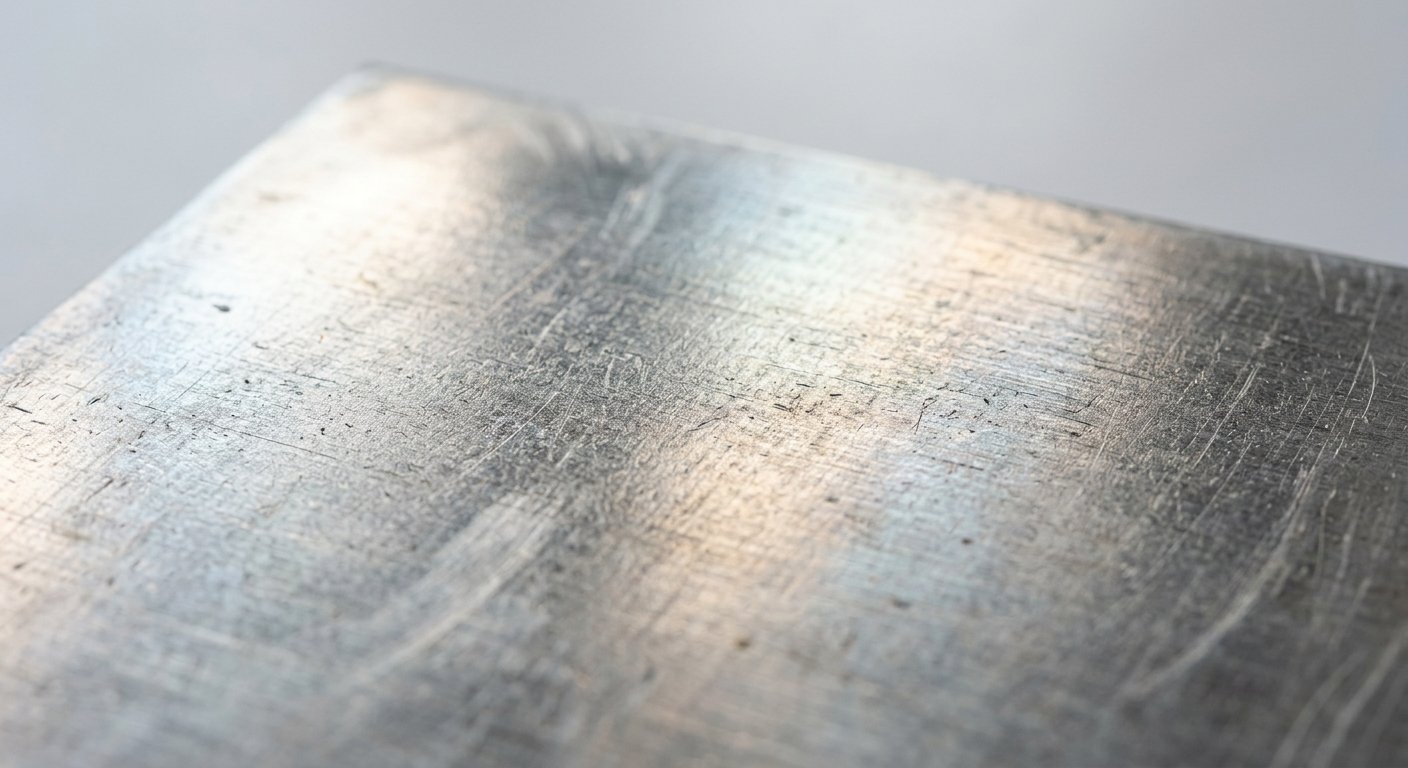
This oxide layer is stable in most atmospheric conditions. But chloride ions in sea air can dissolve it locally faster than it can rebuild itself, particularly in stagnant, humid pockets where salt concentration stays high and airflow is poor. That’s the mechanism behind pitting: a local race between dissolution and self-repair, and in the wrong conditions, dissolution wins.
Bare aluminum left in direct saltwater immersion, without alloy selection or protective finish, absolutely corrodes over time. The self-healing oxide layer slows the process dramatically compared to steel, but it does not stop it indefinitely. This is precisely why marine and coastal construction specs lean on alloy choice and applied finishes rather than relying on the bare metal’s natural resistance alone.
If you’re benchmarking purely on corrosion resistance, 5000-series magnesium-aluminum alloys like 5052 and 5086 win. The added magnesium measurably improves resistance to saltwater pitting, which is why they dominate marine hull and dock fabrication. But curtain wall framing is a different application with different priorities, and that’s where this topic gets misapplied in most buying guides.
6061 and 6063 are the standard structural and extrusion alloys for architectural framing. They extrude cleanly into the tight, complex profiles curtain wall systems need, and they offer strong strength-to-weight ratios for structural performance. They’re less inherently corrosion-resistant than 5000-series on their own, which is why finish protection carries more weight in facade applications than it does in marine hull fabrication.
Alloy choice matters less than people assume for curtain wall durability near the coast, because the extrusion is engineered primarily for shape and strength. The real protection is layered on top, through anodizing, coating, and joint detailing. Don’t let a spec sheet’s alloy grade give you false confidence if the finish and detailing underneath it are weak.
This is the decision that actually determines coastal facade lifespan, and it gets the least attention in most spec documents. Three finish families dominate curtain wall protection, and they are not interchangeable near the sea.
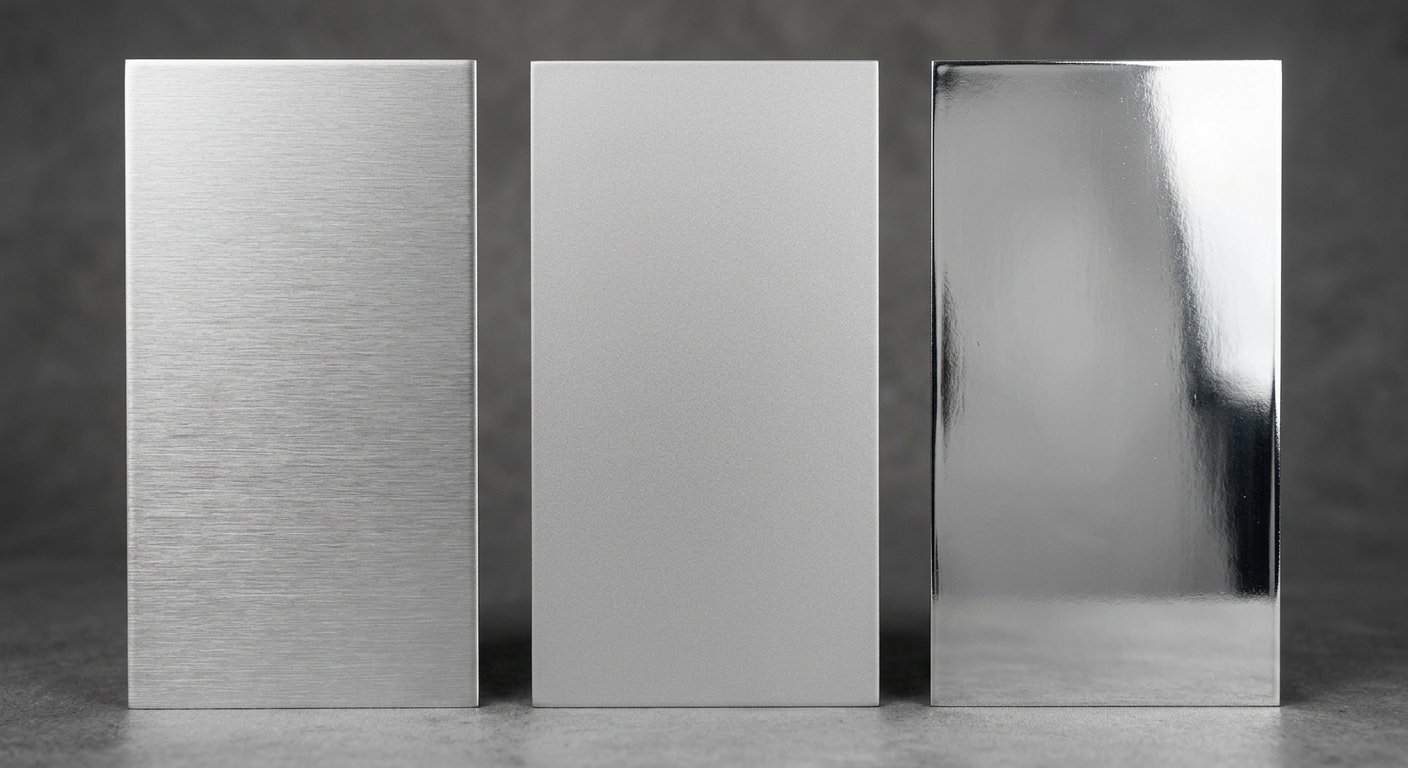
Anodizing electrochemically thickens the aluminum’s natural oxide layer, giving a hard, integrated protective surface rather than an applied coating. It’s a solid baseline for salt resistance but can still be vulnerable to chloride pitting in direct marine spray zones unless properly sealed.
Powder coating adds a physical barrier layer against salt and moisture contact. Its real-world performance depends almost entirely on surface pretreatment quality, a chromate or non-chrome conversion coating applied before the powder goes on. Skip that step or do it poorly, and the coating will fail from underneath long before it looks worn on the surface.
PVDF coatings offer the highest resistance to UV degradation, chalking, and chloride-driven breakdown over time. For direct beachfront facades facing onshore wind, PVDF is generally the top-tier choice.
Within anodized finishes, Silver, Black, Champagne, and Brushed tones cover most architectural needs, while Light Bronze, Dark Bronze, Champagne Bronze, and Antique Copper anodized tones give a warmer palette for hospitality and residential coastal projects without sacrificing the underlying protection.
Finish protects the face of the frame. These details protect what happens inside the joint, where most coastal failures actually start.
Take a beachfront resort with a unitized curtain wall facing direct onshore wind. That elevation needs tighter gasket compression specs and a PVDF-grade finish, while a courtyard-facing elevation on the same building might reasonably use a lighter anodized spec. Treating the whole facade as one uniform exposure zone wastes budget in one place and under-protects it in another.
Imagine a government coastal public building where aluminum window systems go out to tender. If the fastener material isn’t named explicitly, stainless 316 versus standard steel, the decision defaults to whatever the installer has on hand, and that’s how galvanic corrosion ends up baked into a public asset for the next twenty years.
A remote-site modular cabin deployed near a shoreline for tourism infrastructure has its own version of this problem: every steel-to-aluminum connection point, including container frame interfaces, needs galvanic isolation checked, not assumed.
And high-salinity risk isn’t limited to literal beachfront sites. Humid coastal regions and island climates across Southeast Asia, parts of the Middle East coastline, and stretches of coastal Europe carry similar airborne chloride exposure well inland of the shoreline itself. If your project sits within that drift zone, treat it as coastal-grade, even if it’s not technically on the water.
A perfect spec on paper means nothing if the fabrication doesn’t match it. This is where quality control becomes a corrosion-prevention tool, not just a compliance checkbox.
Surface Integrity Checks using gloss meters and Cross-Hatch adhesion tests catch coating defects before they ever reach a jobsite, defects that would otherwise become the exact starting points for pitting and coating failure once installed. Water Penetration testing under wind-driven rain conditions validates that seals will actually keep salt-laden moisture out in service, not just in a spec sheet promise. Structural Wind Load testing matters specifically in coastal zones because high-wind coastal regions combine mechanical stress and corrosion stress on the same joints simultaneously.
APEX EcoBuilt is an aluminum curtain wall manufacturer and commercial curtain wall supplier, producing, fabricating, and shipping systems from one 150,000 m² factory. The company holds 179+ patents and certifications across its operations and supplies concealed-frame, exposed-frame, unitized, and full-glass curtain wall systems to project sites in more than 80 markets, which means coastal-grade detailing isn’t a special request, it’s built into the standard manufacturing and testing process. You can review the full process at our manufacturing and capabilities page or see how it translates into real projects on our projects page.
None of this matters if it doesn’t end up in the contract language. Here’s what to put in writing before you sign off on a coastal-grade curtain wall or window package.
If you’re assembling a tender for a coastal project, reach out through our contact page or email daiwen@apexecobuilt.com directly with your spec requirements.
Yes, aluminum resists seawater corrosion far better than bare steel because it forms a thin, self-healing oxide layer on contact with air. That protection is strong but not absolute: chloride ions can locally break down the layer faster than it rebuilds, especially in stagnant or poorly ventilated conditions, so alloy and finish selection still matter.
5000-series magnesium-aluminum alloys, particularly 5052 and 5086, offer the best inherent corrosion resistance and are the marine fabrication benchmark. Curtain wall framing generally uses 6000-series alloys like 6063 instead, trading some raw corrosion resistance for better extrudability, and compensates with protective finishes and detailing.
Yes, bare aluminum left in direct saltwater immersion will corrode over time without proper alloy selection and protective finishing. The natural oxide layer slows the process significantly compared to steel, but it does not stop corrosion indefinitely, which is why marine-grade alloys and coatings exist.
Protect aluminum from saltwater corrosion through a combination of the right alloy, a quality finish such as anodizing, powder coating, or PVDF, and careful detailing: galvanic isolation at fastener contact points, durable gasket sealing, and sloped drainage that actively sheds salt-laden water instead of letting it pool in joints.





Arabic

English

Spanish
Fill out the form below and our team will get back to you within 24 hours with a tailored solution.
