
APEX EcoBuilt
Leading Manufacturer of Aluminum Systems & Modular Housing
APEX EcoBuilt
Leading Manufacturer of Aluminum Systems & Modular Housing
 21 Sep, 2026Industry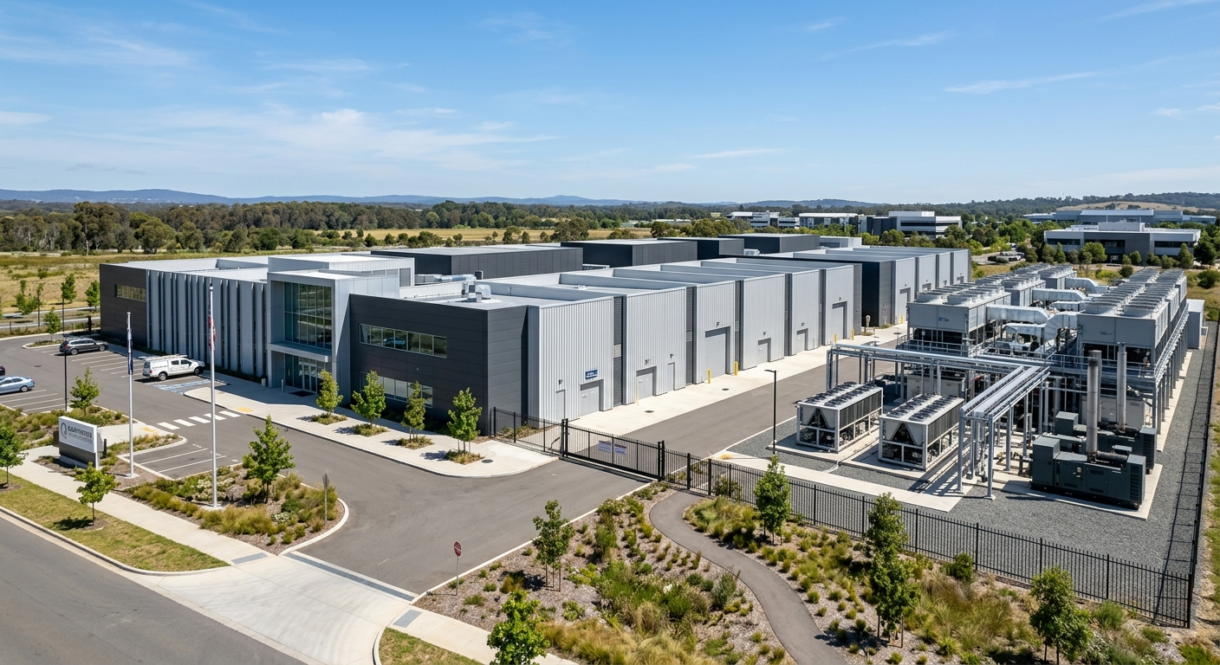
A modular data center can go from signed contract to power-on in 6 to 9 months — roughly half the time of a conventional build — because the cooling containment, structural shell, and thermal envelope get manufactured in parallel at a factory instead of sequenced one after another on a muddy job site. The trick isn’t just prefabrication for speed’s sake. It’s designing the aluminum structural system and envelope to be cooling-ready from day one, so mechanical contractors aren’t retrofitting hot-aisle containment into a building that was never built to hold it efficiently.
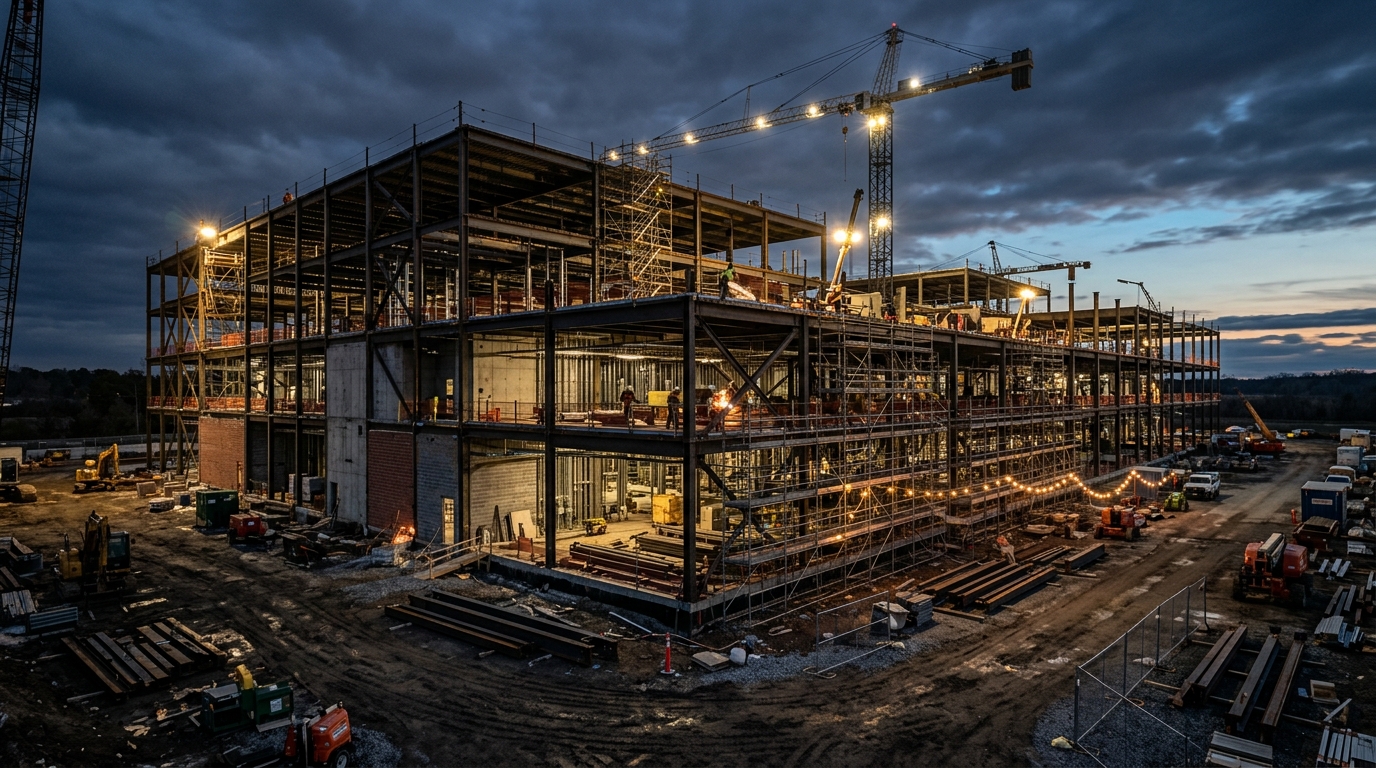
Here’s the uncomfortable truth: most data center delays don’t come from the servers or the switchgear. They come from the shell. Concrete cure times, weather-dependent envelope closure, and sequential trade stacking (structure, then envelope, then MEP rough-in, then cooling) turn what should be a straightforward box into an 18-24 month grind.
Cooling systems are especially punishing in traditional sequencing. Hot-aisle containment, CRAH unit placement, and raised-floor airflow paths typically can’t be finalized until the building envelope is closed and weather-tight. That means cooling contractors are often waiting on structural and facade crews before they can even start layout — and any facade delay (a common issue when sourcing aluminum systems overseas without proper vetting) cascades straight into the mechanical schedule.
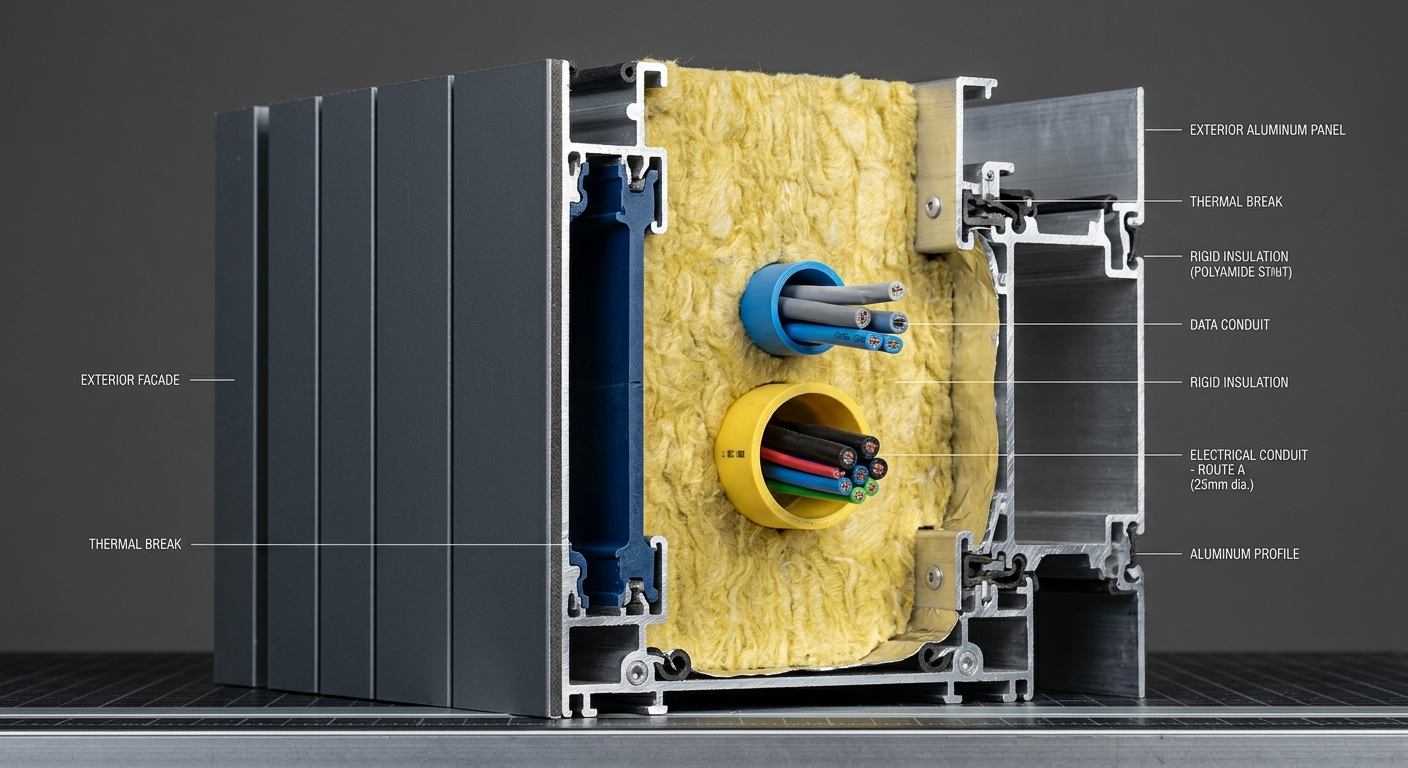
Cooling-ready doesn’t mean the mechanical system is installed at the factory — it means the structural and envelope decisions that affect cooling performance are locked in before the module ever leaves production. That includes wall cavity depth for ductwork and containment panels, pre-cut penetrations for chilled water lines, and an aluminum envelope with verified thermal performance so the cooling load calculation isn’t guesswork.
That last point matters more than people realize. Oversized cooling systems because of unknown envelope performance is one of the quiet cost overruns in data center projects — you’re paying for capacity you didn’t need because nobody trusted the shell numbers.
Consider a colocation provider that signed a customer lease with a hard 9-month power-on deadline — a timeline that would sink a traditional build before ground was even broken. By specifying a modular structural system with pre-integrated containment framing, the mechanical contractor could start shop-drawing the CRAH layout the same week the structural modules were in production, not after the shell was closed.
The result: structural and envelope work ran in parallel with cooling equipment procurement instead of after it. That parallel-path scheduling is the single biggest lever in compressing a data center build — and it’s only possible when the module manufacturer has already solved the structural questions cooling engineers would otherwise be waiting on.
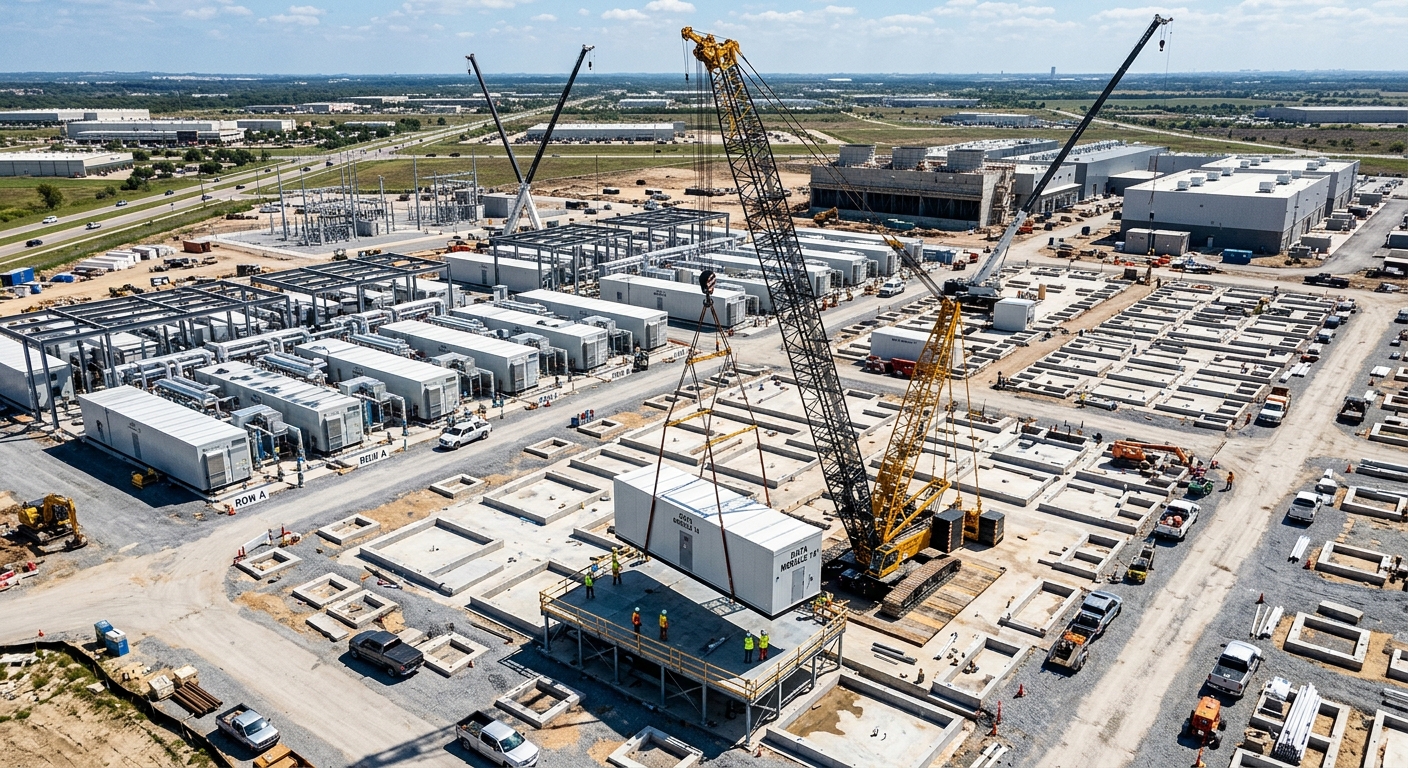
Data centers aren’t light buildings. Raised floors, dense server racks, and overhead cable trays put real point loads on a structure — often 250-500 kg/m² of live load versus the 150 kg/m² typical of office space. Modular aluminum framing systems have to be engineered for these loads from the start, not adapted after the fact.
This is where factory-scale manufacturing earns its keep. A facility producing structural modules at volume can run load-bearing calculations against a library of tested configurations rather than one-off engineering for every project — the kind of repeatable precision covered in how factory scale changes what’s deliverable. For seismic zones, this matters even more; the same structural discipline that governs seismic design for modular buildings applies directly to data center shells that can’t afford downtime from a moderate earthquake.
Cooling efficiency and fire compartmentalization pull in opposite directions if you’re not careful. Tight aisle containment improves airflow, but fire codes demand rated separations between server halls, electrical rooms, and battery/UPS areas. Get this wrong and you’re either failing inspection or retrofitting fire-rated partitions into a building that wasn’t designed for them.
Modular aluminum systems solve this by building rated compartmentalization into the module design — panel assemblies tested to specific fire ratings rather than field-assembled and hoped for. This is the same logic covered in fire safety ratings for aluminum systems, just applied to internal hall separations instead of exterior facades. For a data center, a fire-rated wall assembly that’s already certified saves weeks of back-and-forth with the local building authority.
Traditional construction treats data center expansion like starting over — new mobilization, new site logistics, disruption risk to the live facility next door. Modular construction treats it like adding rooms.
Because modules are manufactured off-site and delivered largely complete, a second or third phase can be installed adjacent to an operating facility with minimal vibration, dust, or downtime risk to live equipment. For hyperscale and colocation operators planning capacity in stages — often tied to customer contract wins rather than a fixed master plan — this phased approach is arguably the strongest business case for going modular in the first place, ahead of even the speed argument.
Cooling equipment adds weight and volume that standard shipping containers weren’t designed around — chiller skids, containment panels, and pre-installed ductwork all eat into container capacity limits. Planning module dimensions against real container constraints, not idealized ones, is where a lot of projects get their timeline promises wrong.
This is a genuine engineering constraint, not a footnote. Anyone specifying a modular data center for a remote or overseas site should read through the realities in shipping modular buildings across borders before locking in a delivery date — customs clearance and last-mile site access routinely add weeks that never show up in a factory production schedule.
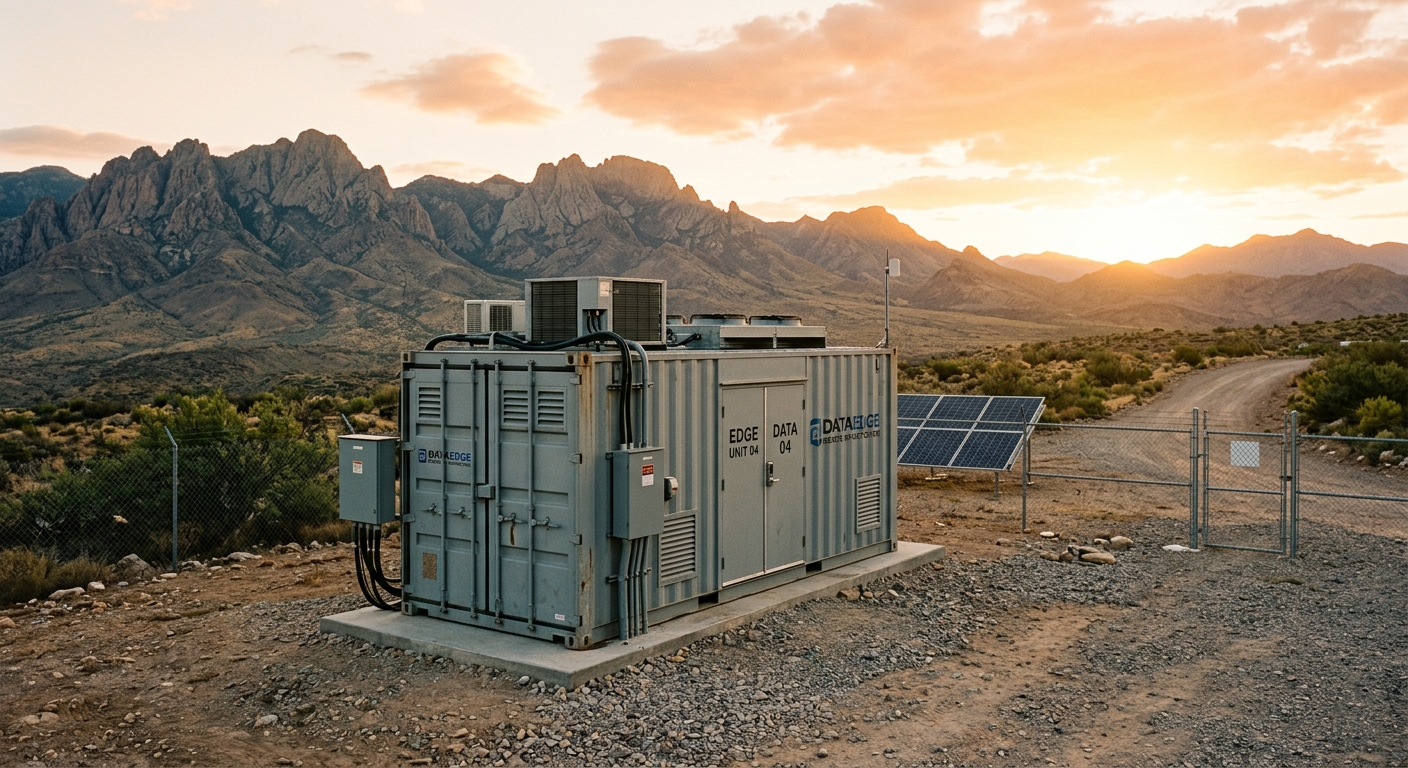
Edge data centers — the small, distributed facilities placed near population centers or industrial sites for low-latency processing — are almost always better served by modular construction, full stop. There’s no debate here the way there is for hyperscale campuses.
Remote mining sites, offshore energy platforms, and telecom edge nodes need compute capacity fast and often in locations with no local construction workforce. The same fast-deployable logic behind worker camps for mining and oil & gas operators applies directly to edge data halls — pre-wired, cooling-ready modules that arrive needing connection, not construction.




Arabic

English

Spanish
Fill out the form below and our team will get back to you within 24 hours with a tailored solution.
