
APEX EcoBuilt
Leading Manufacturer of Aluminum Systems & Modular Housing
APEX EcoBuilt
Leading Manufacturer of Aluminum Systems & Modular Housing

 20 May, 2026Industry
Shipping a modular building across borders comes down to three things that can derail an otherwise perfect project: the physical limits of the container or vessel, the paperwork your customs broker needs in the destination country, and whether a 13-meter truck can actually reach your site. Get any one of these wrong and you’ll watch modules sit at port for weeks racking up demurrage. The good news is all three are predictable — if you plan them before steel is cut, not after.
It’s almost never the manufacturing that delays a modular project. In our experience shipping to 80+ countries, roughly 70% of delivery slippage traces back to logistics decisions made — or not made — during the design phase.
The pattern is consistent: a buyer signs off on a beautiful 3.2 m-wide module, then discovers six weeks later that nothing wider than 2.9 m can travel on the destination country’s standard roads without an escort permit. Or the modules ship on time, but the bill of lading lists “prefabricated steel structure” while the import permit was issued for “modular residential housing units.” That single wording mismatch can hold a shipment for 10–14 days.
The fix isn’t more paperwork. It’s sequencing — locking in container strategy, HS code, and last-mile route before the engineering team finalizes module dimensions.

Every modular designer should have these four numbers memorized: 2,352 mm, 2,393 mm, 2,697 mm, and 12,032 mm. Those are the internal width, standard height, high-cube height, and 40-foot internal length of an ISO shipping container. Anything that fits inside those numbers ships at standard ocean freight rates. Anything that doesn’t triggers a different — and far more expensive — logistics path.
There are essentially three shipping formats for modular buildings, each with a different cost curve:
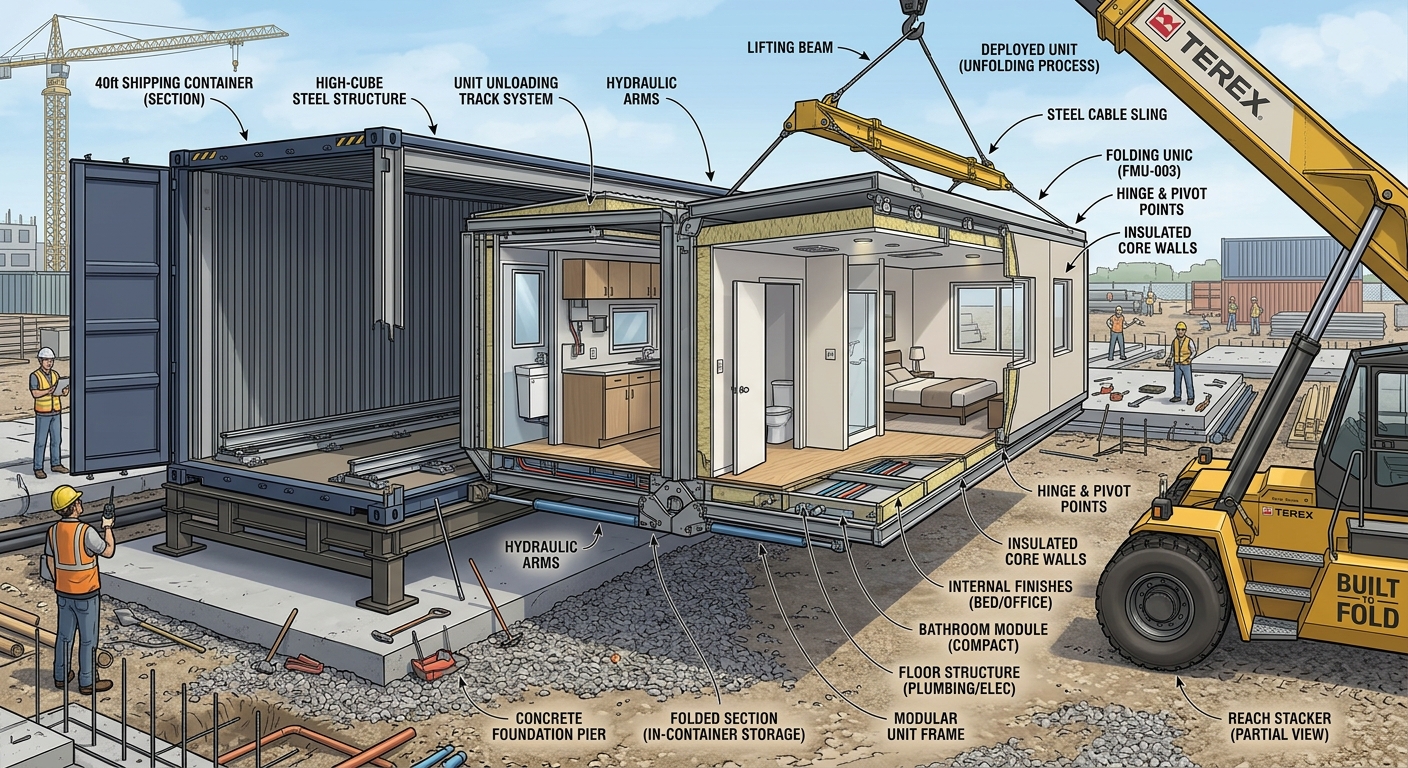
For instance, a Middle East resort developer we worked with originally specified 36 fully-built villa modules at 4.2 m wide. After running the freight math — flat rack only, escort vehicles in two countries, breakbulk shipping — we re-engineered to folding modules that ship within standard 40 HC dimensions and unfold to the same 4.2 m interior. Freight cost dropped 62%.
High-cube containers add 305 mm of internal height — useful, but they’re not universally accepted at every inland depot, and some rail corridors in Europe restrict double-stacking on certain routes. Confirm HC availability for your specific origin-destination pair before designing modules taller than 2,393 mm.
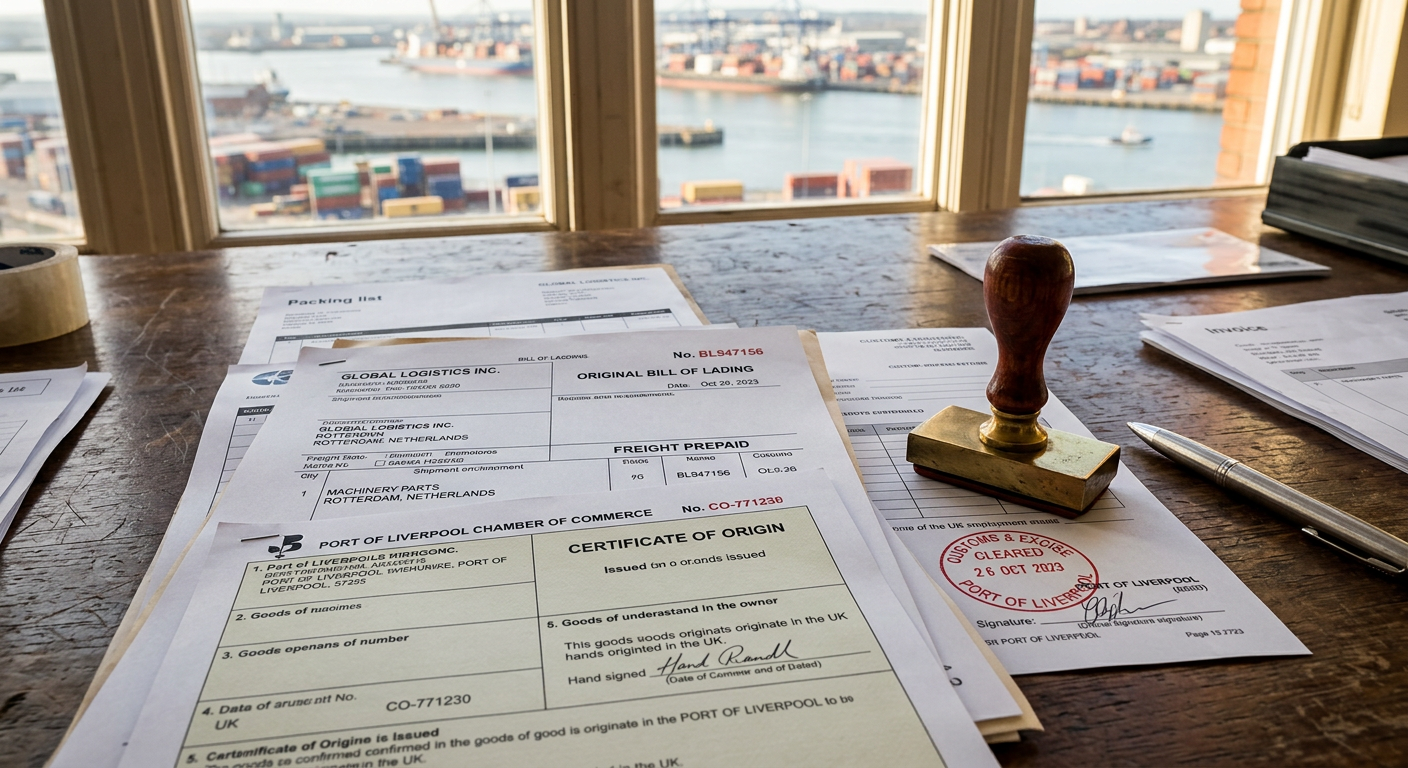
Customs delays usually aren’t about missing documents — they’re about inconsistent documents. The HS code on your commercial invoice has to match the import permit, the certificate of origin, the bill of lading description, and any country-specific safety certifications. One mismatch triggers manual inspection.
Modular buildings most commonly classify under HS 9406 (prefabricated buildings), but some jurisdictions push steel-framed units into HS 7308 (structures of iron or steel) and aluminum units into HS 7610. The classification matters because duty rates can swing from 0% to 15%+ depending on which code applies and whether your origin country has a free trade agreement with the destination.
Saudi Arabia requires SASO certification and a Certificate of Conformity issued before shipment — not at port. The EU requires CE marking on structural components and an EU-based authorized representative on file. Australia adds a Methyl Bromide fumigation certificate if any timber packing is used. Each of these adds 5–15 days to clearance if discovered late.
Working with a manufacturer experienced in your destination market matters here. Our manufacturing and capabilities team pre-builds country-specific documentation packs as part of every export order, which is the single biggest reason our shipments clear customs without inspection holds about 90% of the time.
The Incoterm you sign for is the single biggest risk allocation in the entire shipping process, and most buyers underweight it. FOB looks cheaper on paper. DAP looks expensive. The reality is usually the opposite once you include broker fees, port handling at destination, local trucking, and the cost of figuring it all out yourself for a one-off shipment.
If you have an established freight forwarder in your country, regular import volume, and an in-house logistics team — FOB gives you control and visibility on costs.
For first-time modular buyers, remote sites, or markets with complex import regimes (Africa, parts of South America, Central Asia), paying for the manufacturer to deliver to site eliminates 80% of the things that can go wrong. The 8–12% premium is almost always less than the cost of one delayed clearance.
A mining operator in Central Asia recently ordered 24 worker accommodation modules on DDP terms. The site was 600 km from the nearest port across two borders. Doing it themselves would have meant coordinating three trucking companies, two customs brokers, and a permit for oversize transit through a mountain pass. The premium on DDP was roughly $42,000 across the whole order — less than the cost of two days of mine downtime.
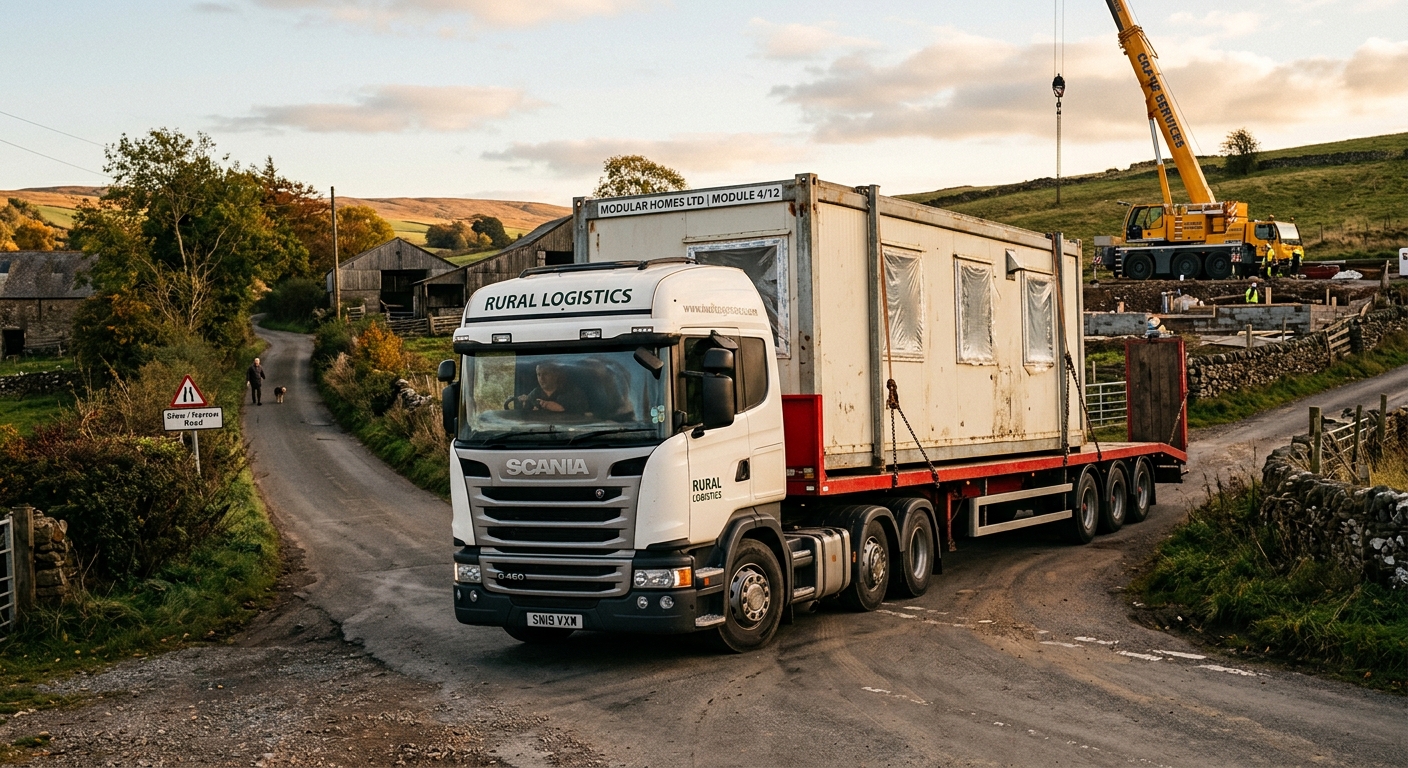
You can clear customs in four days and still lose two weeks if your modules can’t physically reach the build location. Site access planning should happen during quoting, not after the modules are in country.
Oversize transport permits in Germany take 5–10 working days. In the UAE, 2–3 days. In Australia, up to 4 weeks for interstate routes. In rural India or Indonesia, you may need police escort plus utility company coordination to temporarily de-energize power lines along the route.
The pattern we recommend: send a logistics scout — or commission a local logistics survey — before signing off on module dimensions. A 1,500 USD survey routinely saves 30,000+ USD in re-engineering or escort costs. You can see how we approach this on our projects page, where most international deliveries include a documented site-access plan.
Two factories can produce identical modules, ship them on the same vessel, and have completely different arrival conditions. The difference is almost always in how the modules were braced, blocked, and packaged for ocean motion.
Marine cargo insurance covers loss and damage but typically excludes “inadequate packing.” If a surveyor at destination determines your modules were poorly braced and a wall panel cracked from container flex, your claim gets denied. We’ve seen $80,000 damage claims rejected over $400 worth of skipped bracing.
If you’re comparing manufacturers, ask for photos of how they actually load modules — not just brochure shots of finished products. The loading deck tells you more about quality than the showroom does.
Here’s what an honest schedule looks like for a typical Asia-to-destination modular project of 20–40 units:
Total: 17–22 weeks from contract to occupancy for a standard order. Anyone quoting 8–10 weeks for an international modular delivery is either skipping steps or hasn’t shipped many of them. For deeper context on how modular timelines compare against site-built construction, our analysis on modular vs. traditional construction covers both schedule and embodied carbon trade-offs.
The single most useful mindset shift for cross-border modular projects: treat logistics as a design input, not a delivery problem. The earlier container limits, customs classification, and site access constraints feed into your module dimensions, the smoother — and cheaper — the whole project runs.
That means asking five questions before you finalize anything: Will it fit a standard container or do I need flat rack? What HS code matches both my origin FTA and the destination’s import permit? What Incoterm matches my team’s logistics capability? Can a standard truck and crane reach my site? And do I have the right paperwork prepared before manufacturing finishes, not after?
Getting these answers right is what separates a six-month modular project from an eighteen-month one. If you’re scoping a cross-border modular build and want a realistic logistics review before locking in design, the team at apexecobuilt has shipped to 80+ countries and can stress-test your plan early — get in touch or browse our solutions to see typical delivery formats and destinations.





Arabic

English

Spanish
Fill out the form below and our team will get back to you within 24 hours with a tailored solution.
