
APEX EcoBuilt
Leading Manufacturer of Aluminum Systems & Modular Housing
APEX EcoBuilt
Leading Manufacturer of Aluminum Systems & Modular Housing

 25 May, 2026Industry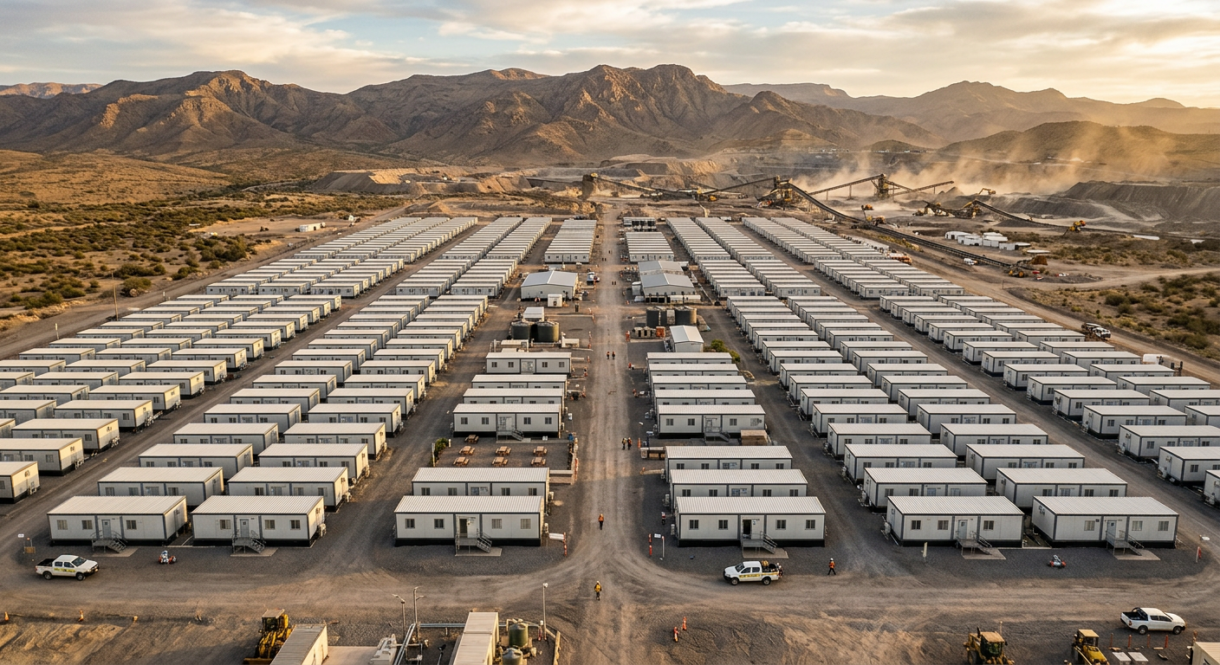
Mining and oil & gas operators need a modular supplier who can deliver climate-rated, code-compliant worker camps to remote sites in weeks, not months — and who has the factory capacity, engineering depth, and logistics network to handle 50 to 500+ beds without the schedule slipping. The right partner combines three things: fast-deployable building systems (flat-pack or expandable), harsh-environment engineering (cyclonic wind, -40°C to +55°C, corrosion zones), and proven export logistics into difficult jurisdictions. Everything else — finishes, layouts, branding — is secondary to those three.
Most suppliers describe their camps as “fast-deployable.” Few actually deliver on it. The real test isn’t how quickly four workers can bolt a unit together on a sunny day — it’s the total elapsed time from PO to operational camp, including engineering approvals, manufacturing, port handling, customs, and on-site commissioning.
For a serious mining or oil & gas project, that total should be 60–90 days for a 100-bed camp using flat-pack modular construction, or 45–60 days using expandable containers. Anything longer and you’re paying drill rig standby rates while the housing sits in transit.
What unlocks that timeline:
If a supplier needs to outsource any of these steps, your timeline is at the mercy of someone else’s calendar.
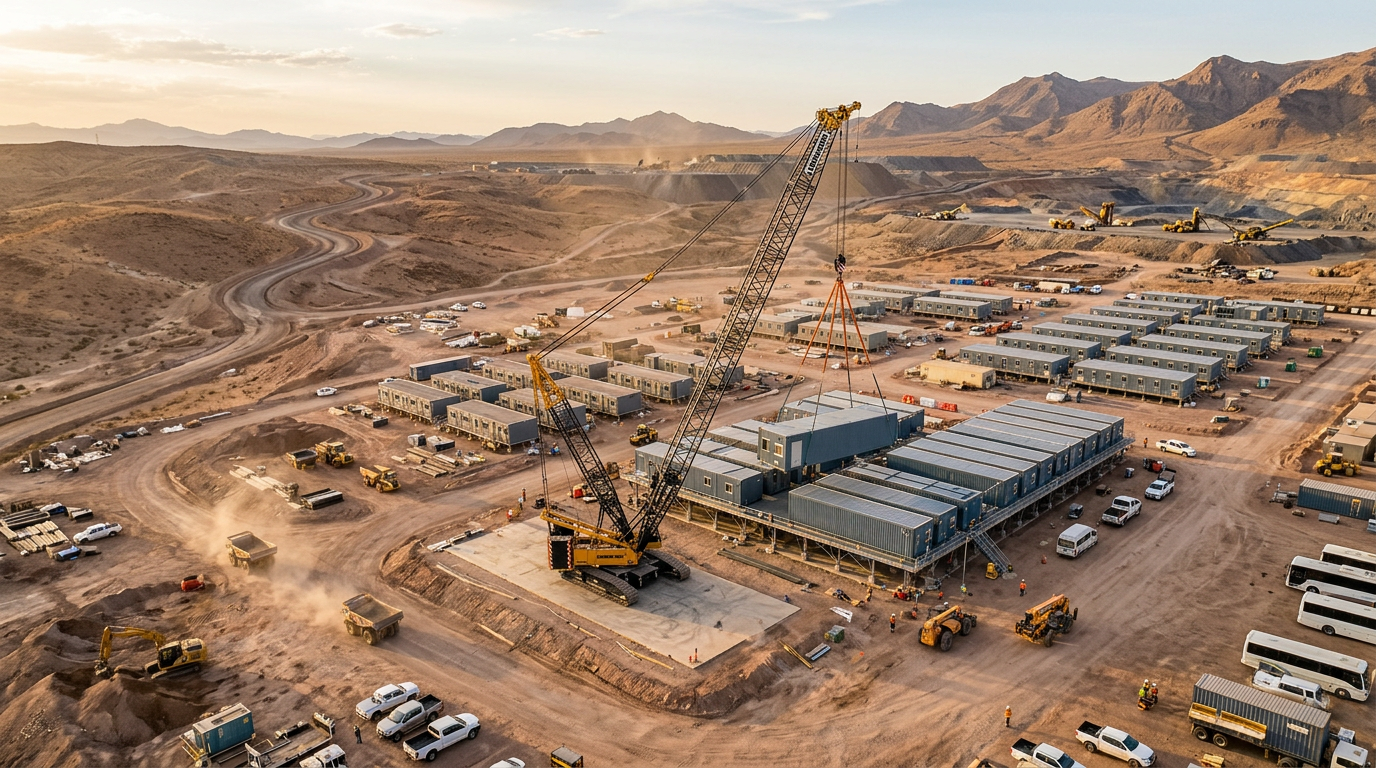
A worker camp in the Pilbara faces 50°C summers, cyclonic winds, and red iron-rich dust. A camp in northern Kazakhstan sees -40°C, heavy snow loads, and permafrost foundations. A West African oilfield camp deals with 95% humidity and chloride-laden coastal air that eats unprotected steel in two years.
The same “standard” modular box will not work in all three. What you should be specifying:
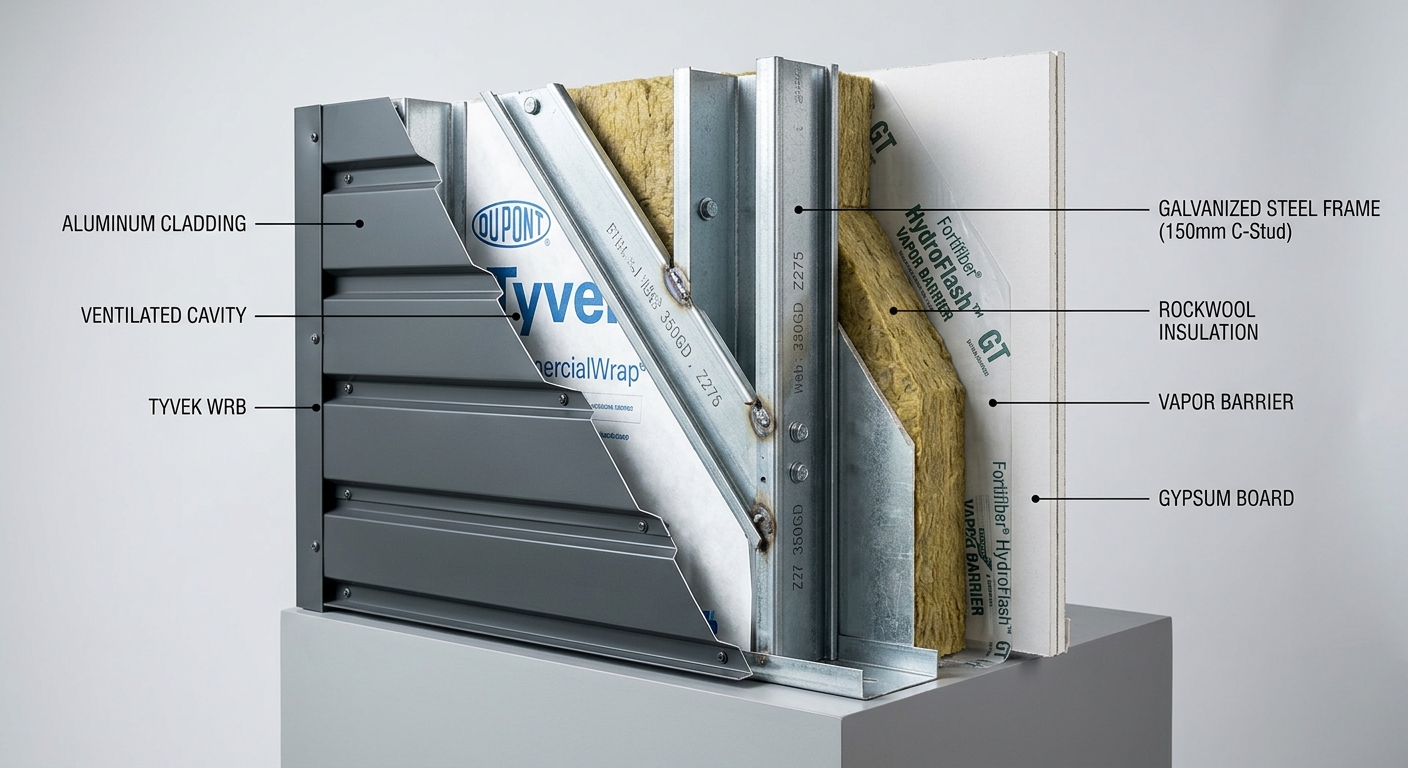
For hot climates, demand a U-value of 0.35 W/m²K or better on walls and 0.25 on roofs, with a high-SRI exterior finish to bounce solar gain. For cold climates, push to 0.20 W/m²K walls, triple glazing, and thermally broken aluminum frames. Our deeper notes on curtain wall specification for Middle East climates cover the thermal break logic in detail — the same principles apply to modular envelopes.
Coastal Australian and Gulf of Mexico sites need cyclonic ratings (Region C or D under AS/NZS 1170, or 180+ mph under ASCE 7). Don’t accept a generic “designed for high winds” statement — ask for the actual structural calc package.
For coastal and sour-gas environments, specify hot-dip galvanized steel frames (minimum 80 micron coating), marine-grade aluminum (6061-T6 or 5052), and stainless fasteners. Skipping this is the single biggest reason camps fail at year 5–7.
The format you choose drives everything downstream: shipping cost per bed, assembly crew size, foundation requirements, and reconfigurability. Here’s how the three main options actually compare on a remote-site project.
For most large mining camps (200+ beds, project duration 3+ years), flat-pack modular wins on total landed cost — you fit 8–12 fully-finished room shells into one 40ft high cube, versus a single standard container. For rapid emergency deployment or exploration camps under 30 beds, expandable containers are faster and need less skilled labor on site.
The standard ISO container modular is best treated as a niche tool: ideal for single guard houses, mobile offices, or short-term sites where you’ll relocate the whole unit later.
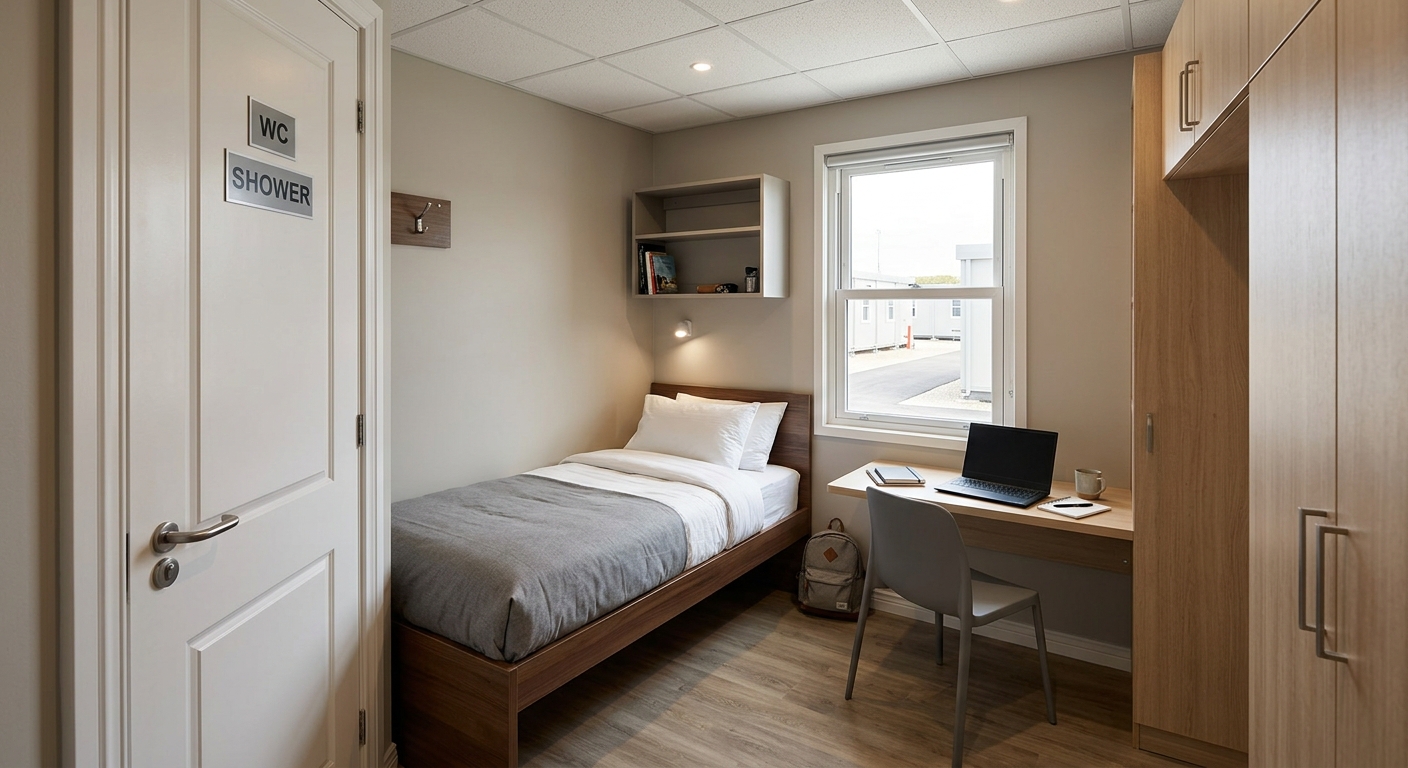
A camp isn’t just sleeping pods. The fastest way to a labor dispute is undersized ablutions and bad ventilation. Industry benchmarks worth specifying:
For example, a tier-1 iron ore operator we worked with originally specified shared bathrooms at 1:10 to save module count. After a workforce survey, they reconfigured to 1:6 ensuite — and reduced turnover enough to pay back the extra modules in 14 months.
On the MEP side, demand factory-installed and tested plumbing/electrical that simply plugs into site mains and sewage. Field rework on remote sites costs 3–5x what it does in the factory.
The technical spec is usually the easy part. Getting 40 containers of camp modules from a Chinese port to a mine site in the DRC, Mongolia, or Papua New Guinea is where projects unravel.
Questions to ask any modular supplier before signing:
A supplier serving 80+ countries with established logistics partners will answer these in five minutes. A supplier who’s never shipped to your region will improvise — and you’ll pay for the learning curve.
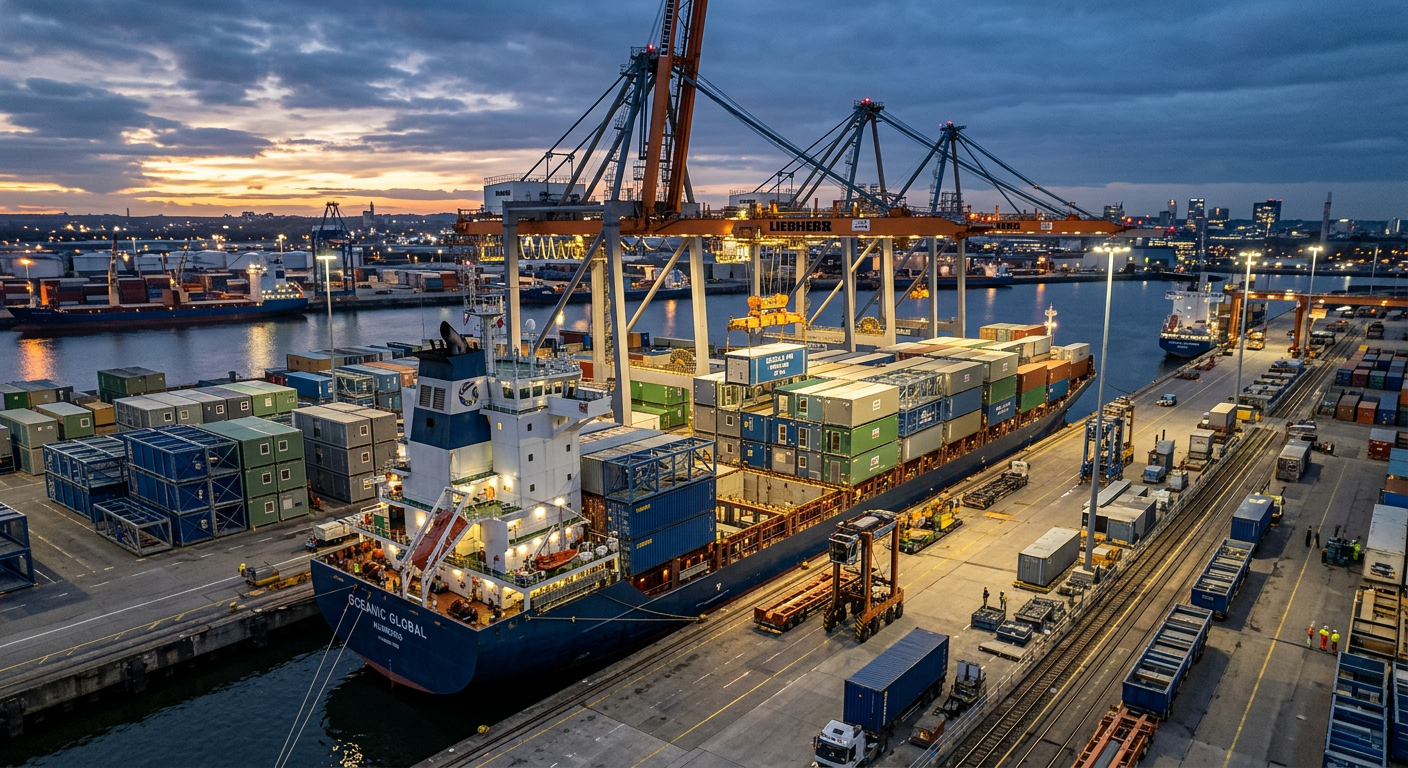
Mining projects expand. Oil & gas fields get extended. The camp you order for 80 workers today often needs to double in 18 months. The smart approach is to architect for that from day one — and most suppliers don’t, because they’re selling units, not systems.
What “scalable” should actually mean in your contract:
For instance, a copper operator in Central Asia ordered 150 beds for initial construction with a contractual option for 200 more beds at fixed unit cost within 36 months — exercised twice as the mine ramped. Total weighted-average price came in 18% below what equivalent ad-hoc orders would have cost. Look into our modular camp solutions for how that contract structure is typically set up.
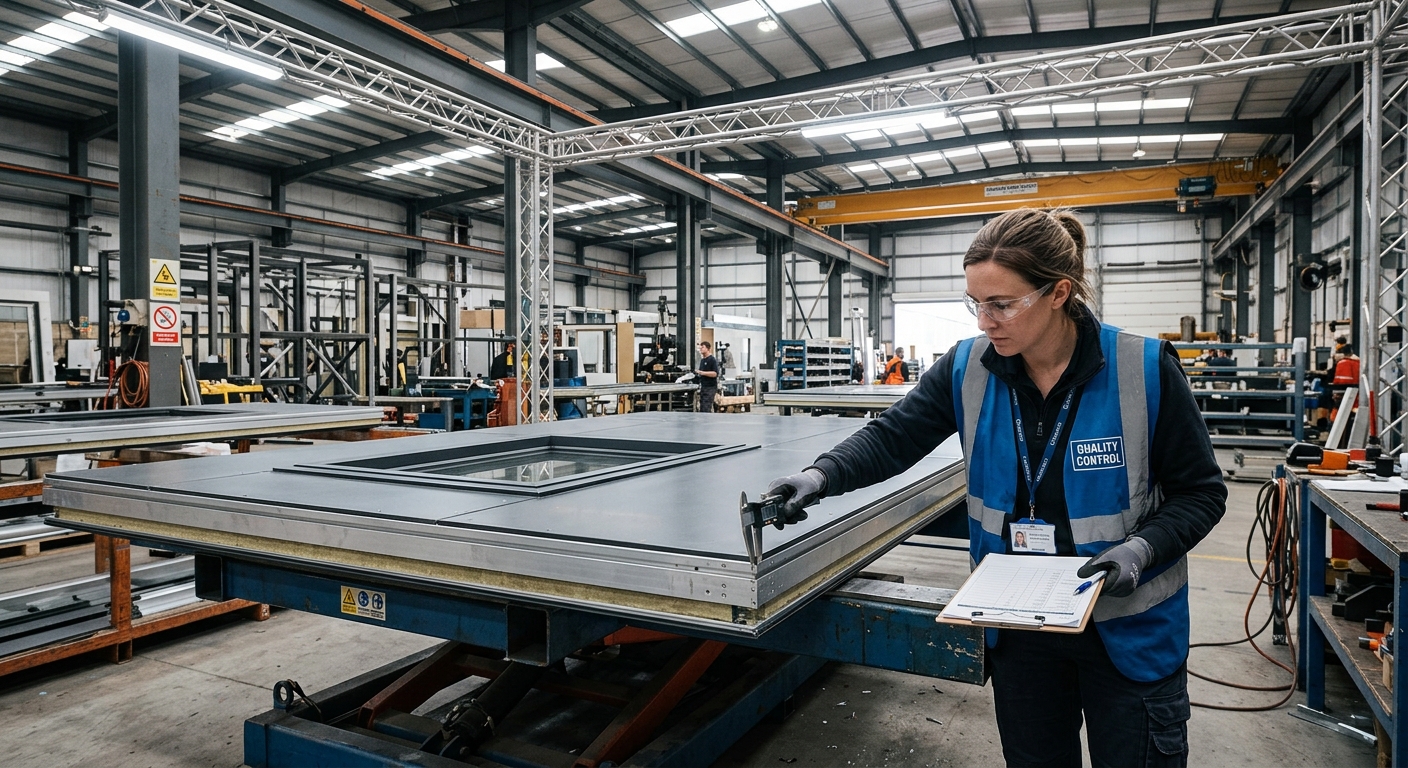
Every supplier claims ISO certification. Far fewer can produce the certificate, the scope of accreditation, and the audit history. Before issuing a PO, ask for:
A factory holding 179+ patents and full ISO/CE compliance — like our 150,000 m² production facility — will hand these over within a day. If a supplier is slow or evasive, that tells you everything about what happens when something goes wrong on site.
Mines close. Oilfields deplete. The camp you build today will need to come down — or move — in 5 to 20 years. Increasingly, project financing (especially from IFC, EBRD, and ESG-linked lenders) requires a decommissioning plan up front.
Modular gets a structural advantage here: well-built aluminum and steel modules can be disassembled, refurbished, and redeployed to the next site, recovering 50–70% of original capital cost. Concrete dorms can’t. Our analysis on modular versus traditional construction carbon impact covers the embodied carbon math in detail, but the financial logic is just as clean.
What to specify in the original purchase to preserve that future value:
If you’re shortlisting modular suppliers for a remote-site camp, the decision usually comes down to seven verifiable questions:
Get those seven answered in writing before discussing price. The wrong supplier will hide behind generic brochures; the right one will give you specifics and references within 48 hours.
If you’re scoping a worker camp for a mining, oil & gas, or remote infrastructure project, we can walk through the engineering, logistics, and timeline specifics for your site. Reach out via our project enquiry team or browse completed modular camp projects to benchmark what’s possible.




Arabic

English

Spanish
Fill out the form below and our team will get back to you within 24 hours with a tailored solution.
