
APEX EcoBuilt
Leading Manufacturer of Aluminum Systems & Modular Housing
APEX EcoBuilt
Leading Manufacturer of Aluminum Systems & Modular Housing
 10 Jun, 2026Knowledges
The cheapest eco-build quote on your desk is almost always the most expensive one you’ll ever pay for. Buyers who chase the lowest number typically spend 60–110% more over a decade on rework, failed inspections, energy overruns, and premature replacement — and the warning signs are visible before the contract is signed. Below are the seven red flags we see clients miss again and again, plus what to check instead.
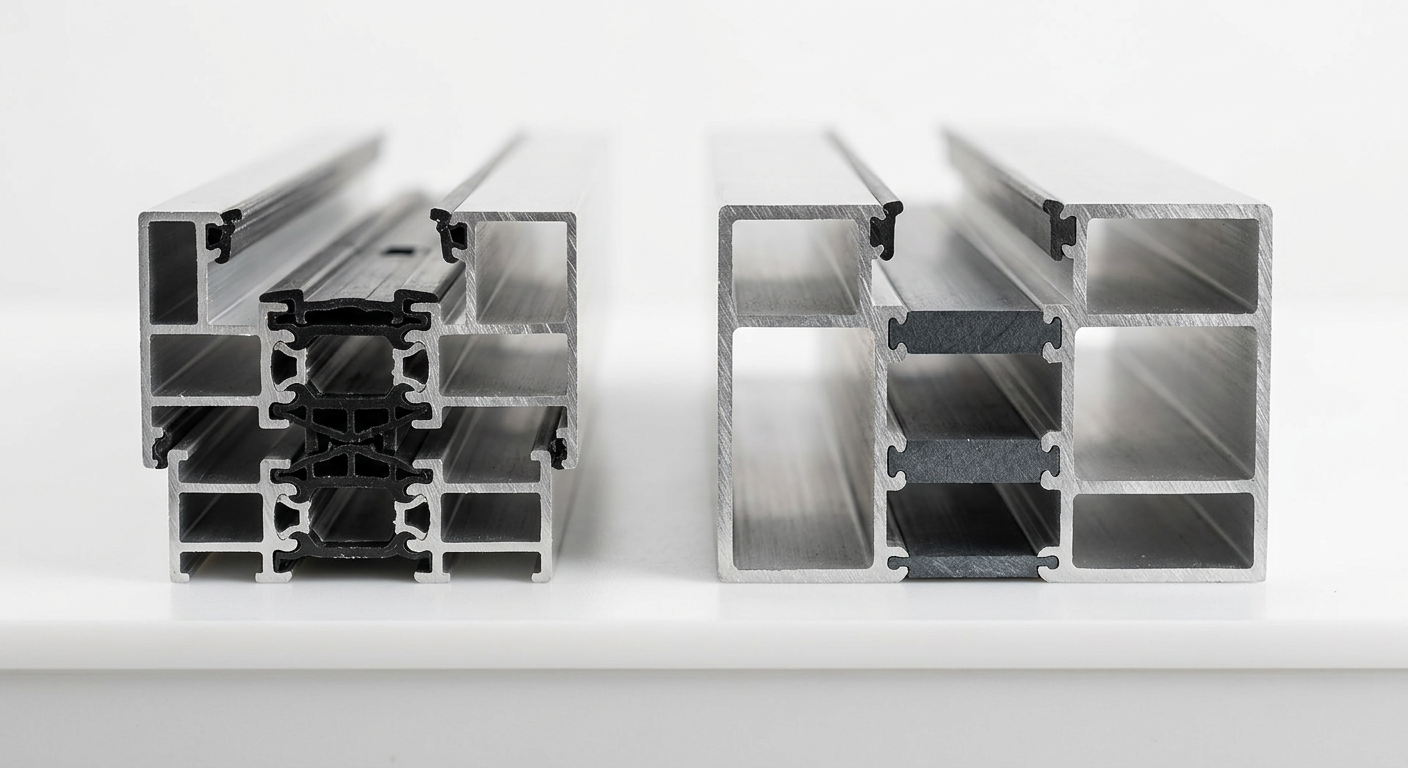
Open the spec sheet. If the aluminum profile wall thickness says 1.0 mm or 1.2 mm, you’re not looking at a building — you’re looking at packaging.
Structural aluminum for modular frames and curtain walls needs 1.8–2.5 mm in load-bearing sections. Anything thinner deforms under wind load, sags at corner joints, and fails fastener pull-out tests within a few years. We’ve inspected Middle East projects where sub-1.5 mm profiles visibly twisted after one summer of thermal cycling.
The savings are real on paper — maybe 18–22% on material cost. The problem is that the replacement cycle arrives in year six instead of year twenty-five. For a deeper look at how scale and precision affect profile quality, our manufacturing capabilities page walks through the extrusion and QC workflow.
“Code compliant” is marketing language for “we did the least legally possible.” In eco-builds, minimum-code insulation is almost always the wrong choice.
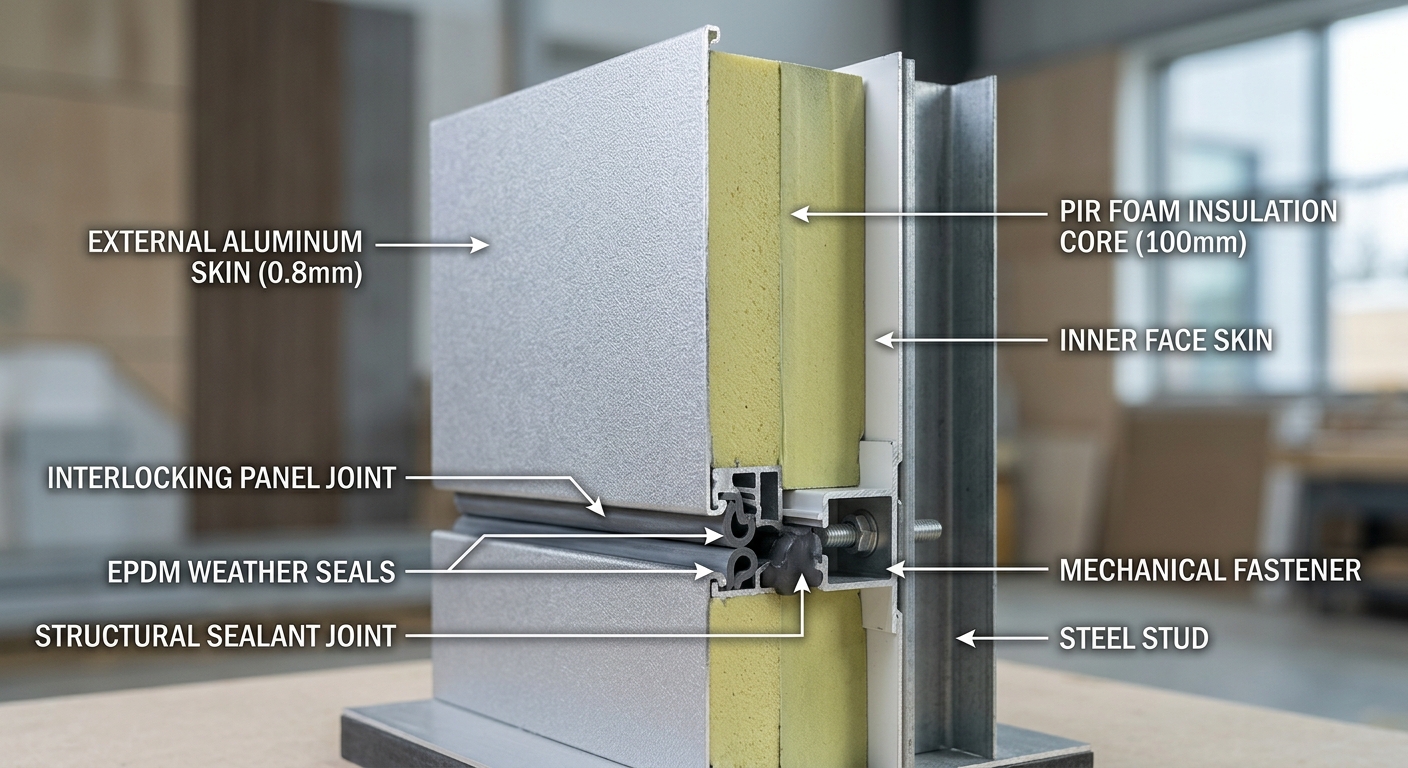
Cheap builds typically ship with 50 mm EPS panels rated around R-8 to R-12. That’s fine for a temporary site office. It’s catastrophic for a hotel module in Riyadh or a net-zero warehouse in Germany, where you’ll burn through the savings in HVAC costs within 24–36 months.
For the full breakdown on why bridging kills performance, see our companion piece on modular vs. traditional eco-construction carbon savings.
Ask for the certificate number. Then check it on the issuing body’s database. If the supplier hesitates, you already have your answer.
We’ve seen CE marks photocopied from unrelated products, ISO certificates expired three years ago, and ROHS declarations signed by a company that doesn’t legally exist. A legitimate supplier will hand you verification links without blinking. apexecobuilt lists all 179+ active patents and current ISO9001, ISO14001, CE, and ROHS registrations with lookup references — because that’s what serious buyers demand.
For instance, a European developer we worked with last year had signed with a low-cost supplier whose “CE-certified” facade panels failed fire-retardancy testing at customs. The project lost 14 weeks and paid a 31% premium to re-source. The lesson: verify before wiring the deposit, not after.
If a supplier refuses a factory visit — virtual or in-person — assume they’re brokering somebody else’s production. That’s fine for small orders. It’s a disaster for large-scale or customized eco-builds.
Brokers can’t control lead times, can’t enforce QC, and can’t customize profiles or connections beyond what their upstream factory already makes. When your spec needs a non-standard mullion depth or a specific anodized finish, a broker will quietly swap it for something close enough and hope you don’t notice.
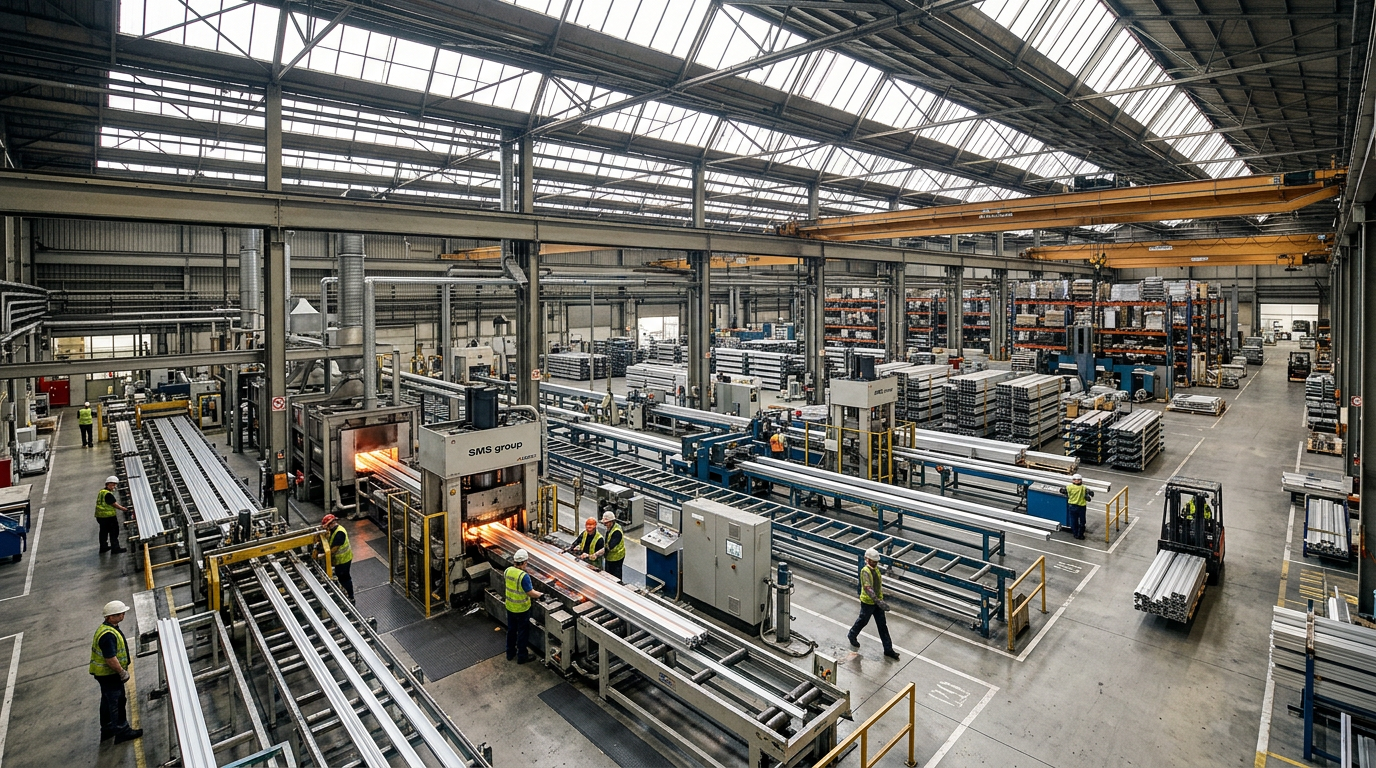
Ask three questions: How big is your factory floor? What’s your monthly output in tons or units? Can I walk the extrusion line on a video call next week? A real manufacturer answers immediately. Our own 150,000 m² facility is open to scheduled visits — see completed projects for the kind of scale and consistency that only on-site production delivers.
The frame gets the attention. The gaskets kill the building.
Cheap eco-builds save money by specifying premium aluminum and then pairing it with generic silicone sealants rated for 5–7 years, or EPDM gaskets that harden and crack in UV exposure. When the seals fail, water gets in, insulation gets wet, corrosion starts at the fasteners, and the whole assembly begins a slow collapse that’s invisible from the outside.
A cost-optimized eco-build may list only “sealant and gasket as per standard.” That’s a red flag, not a specification.
If a factory quotes 18 days for a 2,000 m² custom curtain wall project, something is wrong. Either they’re pulling from stock (meaning generic profiles, not your spec), or they’re skipping QC, or they’re lying.
Realistic lead times for a properly manufactured, tested, and shipped eco-build package:
Compression below those numbers means corners are being cut — usually in water testing, thermal performance validation, or packaging. A hospitality client of ours once accepted a 21-day quote for 40 modular villa units. Half arrived with shipping damage because packaging had been skipped to hit the timeline. The “fast” supplier cost them 9 weeks in repairs.
Cheap suppliers sell you a product. Real manufacturers sell you a 20-year relationship — because that’s how long the building needs to stand up.
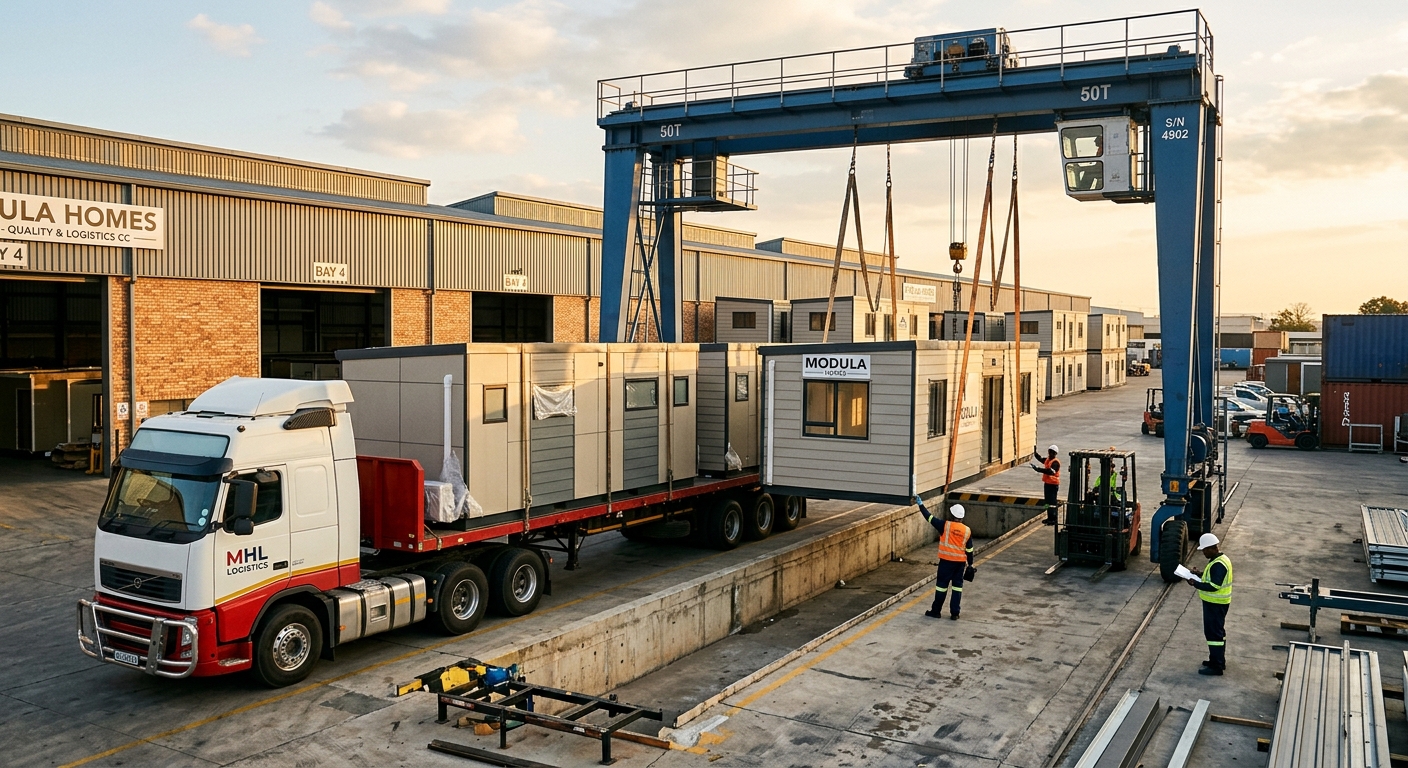
Ask what happens in year three when a gasket needs replacing, or year eight when you want to add a rooftop PV system. A quality partner keeps your project drawings on file, maintains traceability on every batch of aluminum, and can ship matching replacement profiles a decade later. A cheap supplier goes dark the moment the final invoice clears.
This matters most for hotel groups and government projects, where asset life is measured in decades, not warranty periods. Before signing, get in writing: spare parts availability window, response time for technical queries, and whether mill certificates are archived. If any of those answers is vague, walk away.
Here’s the math clients rarely do upfront. On a 5,000 m² modular hotel project, a cheap supplier might quote $2.1M against a quality quote of $2.7M — a tempting 22% savings. Over ten years, factoring in 1.5× faster insulation degradation, 30–40% higher HVAC load, two partial recladding events, and lost room-nights during repairs, the “cheap” option lands between $3.4M and $4.4M all-in. The quality build holds close to $3.0M.
The gap isn’t theoretical. It’s the difference between a property that performs for 25 years and one that needs major remediation before it’s paid off. If you’re weighing several quotes right now, the comparison table above and our eco-building solutions overview will help you pressure-test what you’ve been offered.
If you only remember three things from this article, make them these:
Sustainable buildings only deliver on their promise when they’re built to perform for decades. If you’d like a second opinion on a quote you’ve received — or want a spec review before issuing an RFQ — talk to our engineering team. We’ll tell you honestly whether what you’ve been offered is a bargain or a liability.




Arabic

English

Spanish
Fill out the form below and our team will get back to you within 24 hours with a tailored solution.
