
APEX EcoBuilt
Leading Manufacturer of Aluminum Systems & Modular Housing
APEX EcoBuilt
Leading Manufacturer of Aluminum Systems & Modular Housing

 15 Jun, 2026Company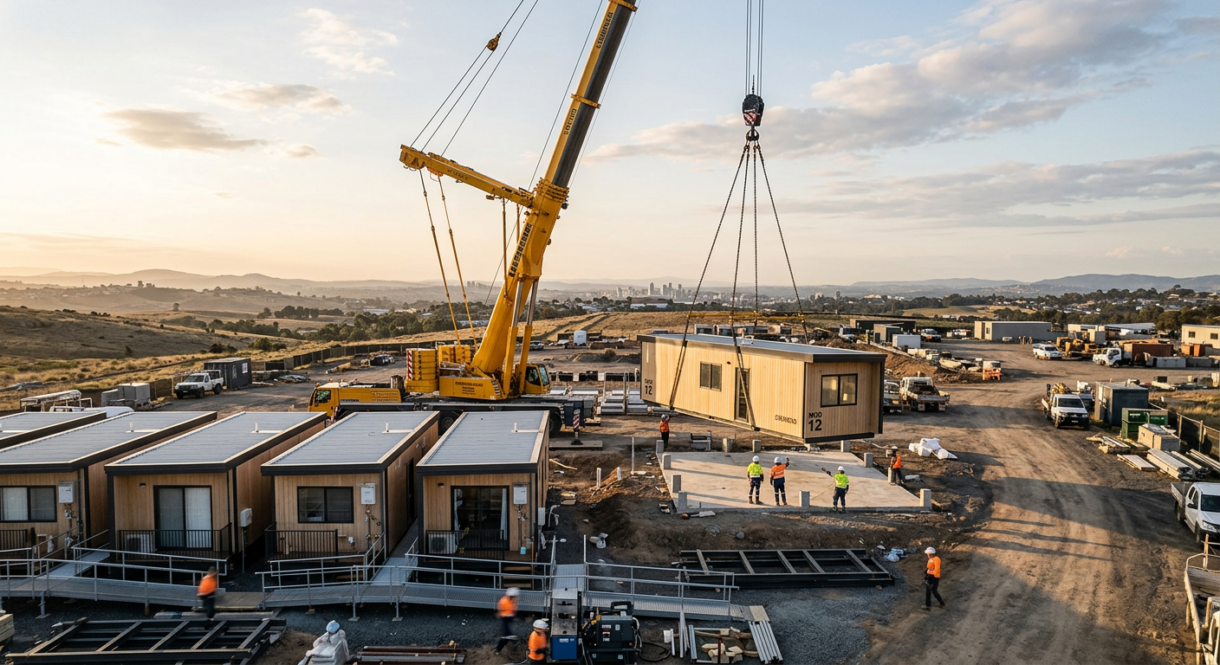
A realistic 90-day modular project timeline breaks down into roughly 25 days of engineering and procurement, 35 days of factory production, and 30 days of logistics plus on-site installation — with phases deliberately overlapping. Hit 90 days from inquiry to handover is absolutely doable for projects under 2,000 m², but only if the first two weeks are spent finalizing specs instead of revising them. The schedule fails not at the factory, but at the email back-and-forth that nobody tracks.
Below is a week-by-week breakdown of what a well-run 90-day project actually looks like — including the buffer days experienced buyers insist on, and the four points where most timelines slip.
Most missed deadlines are baked in during the first ten days. If your spec sheet is vague — “we need around 24 modules, 30 m² each, maybe with steel frame” — every downstream phase inherits that ambiguity.
By day 10 you need a signed quotation tied to a frozen specification sheet. For instance, a contractor in Saudi Arabia building a 40-room worker camp shaved 12 days off their schedule simply by sending the geotechnical report on day 2 instead of day 18. Without it, the foundation design — and therefore the module floor structure — sits idle.
If you’re still comparing suppliers at day 10, your 90-day clock hasn’t started yet. Pick one. Our manufacturing capabilities page outlines what data you’ll need ready before that first call.

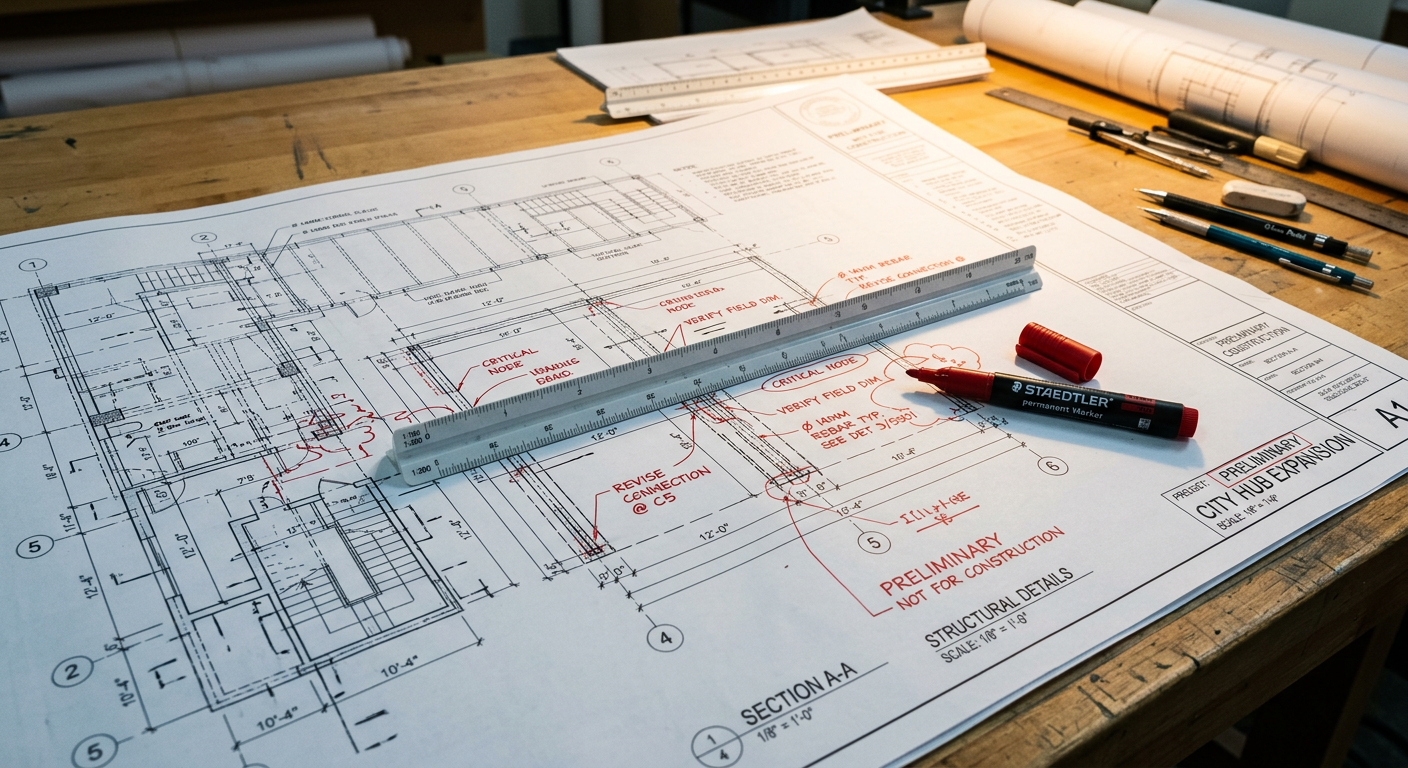
Here’s the part most buyers underestimate. Engineering takes 15 working days for a typical 1,500–2,500 m² modular project, and it’s the single most common source of slippage. Why? Because every revision round costs 3–5 days, and the average project has three.
One revision is normal. Two means the brief was incomplete. Three or more means you’re rebuilding the design mid-flight. The fix: insist on a 48-hour client-side approval SLA in your contract. If your team can’t approve drawings in two business days, the manufacturer can’t hold the slot.
For complex facades, our breakdown on unitized vs. stick-built curtain walls explains why the engineering window doubles when you switch systems mid-project.
Smart manufacturers start procurement on day 20, not day 26. Long-lead items — specialty glass, custom aluminum extrusions, branded HVAC units — need to land on the factory floor by day 35 at the latest, because production can’t start without them.
If a buyer specifies a Daikin VRF system at day 5, they’re locked into that 45-day clock. A smart manufacturer will flag this and propose a regionally available equivalent — saving two weeks without compromising performance.
A 150,000 m² production base buys raw aluminum in continuous coil tonnage, not project-by-project. That means alloy 6063 profiles for your modules are usually in stock or weeks ahead in the extrusion queue. Smaller fabricators wait in line at someone else’s mill. That difference alone can mean a 10-day swing in your schedule.
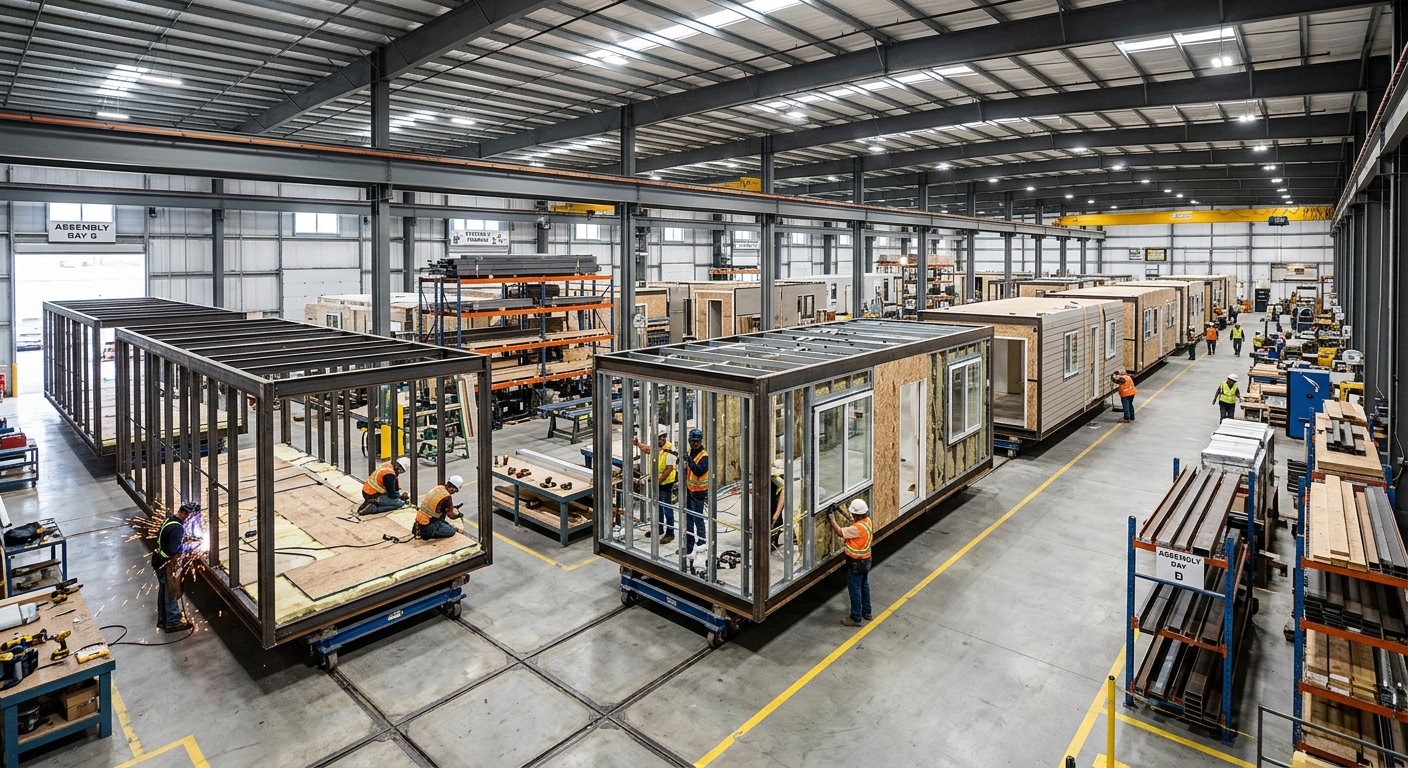
Factory production is 35 days for a mid-sized modular project, and it’s the most predictable phase — if procurement landed on time. Modules are built in parallel batches of 4–8, not sequentially.
Every finished module should be sprayed with a calibrated water rig before it leaves the factory. We’ve seen projects skip this to save two days, then lose three weeks on-site chasing leaks. A pre-shipment water test is the single highest-ROI quality gate in modular construction. Related reading: why curtain wall water leakage happens.
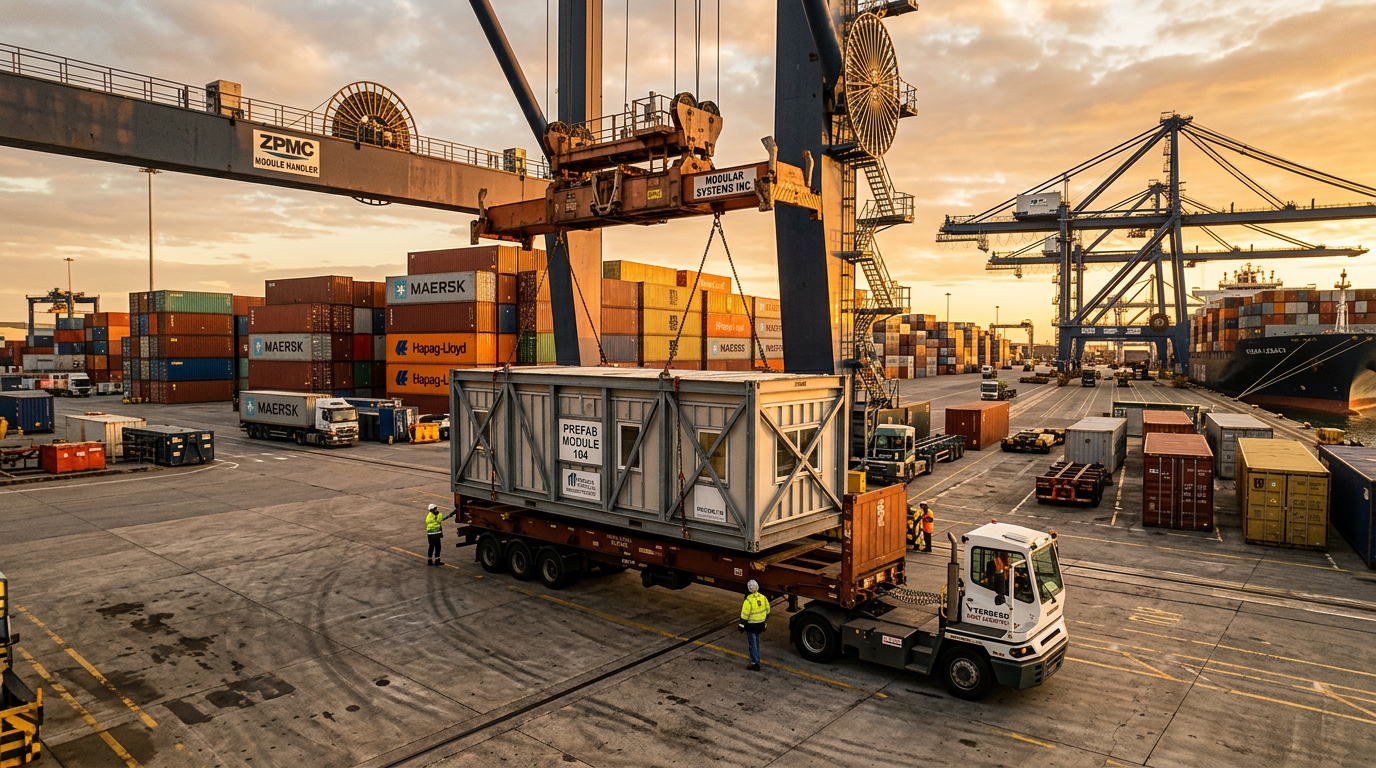
Shipping is where optimistic timelines die. Ocean freight from China to the Middle East is 18–25 days port-to-port. To Europe, 28–35 days. And that’s before customs.
A 12m module on a flat-rack needs a road wide enough, low-clearance bridges checked, and a crane with the right reach. One resort developer in Oman discovered on delivery day that the last 2 km of access road had a 3.5m bridge clearance — their modules were 3.8m tall. Three weeks lost. Our guide on shipping modular buildings across borders covers this in detail.
Build a 5-day logistics buffer into any 90-day plan. If you don’t need it, great. If you do, you didn’t slip the deadline.
On-site work for a 40-module project takes 10–15 days if the foundation is ready and the crane is booked. The sequence is brutal in its simplicity: lift, set, connect, seal, test.
This is the most common 90-day failure: modules arriving at day 80 to a half-built foundation. Foundation work should start no later than day 45 — running parallel to factory production. Screw piles can be installed in 3–5 days for a small camp; concrete strip foundations need 14–21 days plus cure time.
For a mining client deploying a 60-bed camp in northern Kazakhstan, screw piles let the site team start foundations on day 55 and finish by day 68, perfectly synced with module arrival. See our piece on fast-deployable worker camps for more on this pattern.
After tracking dozens of projects, the same four bottlenecks appear:
Drawings sit in someone’s inbox. Solution: name a single signing authority in the contract.
Once engineering is locked, every change cascades. If the change is unavoidable, freeze unrelated work to contain the damage.
Wrong HS code, missing certificate of origin, mismatched packing list. Use a freight forwarder who’s shipped modular before, not just general cargo.
The site team underestimates curing time or weather delays. Always run foundation work parallel to production, never sequentially.
Add these up and you see why 90-day projects that don’t plan buffers routinely become 120-day projects. The fix isn’t rushing — it’s overlapping phases and naming accountable owners.
Here’s how the phases overlap when the project is run well:
Notice the overlaps. Sequential thinking — finish one phase, start the next — gives you a 140-day project. Overlapping thinking gives you 90.
If you take one thing from this: the 90-day timeline isn’t a manufacturing problem, it’s a coordination problem. The factory floor is the most predictable part. The variability lives in how fast your team approves drawings, how complete your site survey is, and whether your foundation contractor starts on day 45 or day 75.
Before sending your next RFQ, prepare: a site survey with coordinates and access dimensions, a soil report, your climate and code requirements, a clear function brief, and a named decision-maker for sign-offs. That single hour of prep can save you three weeks downstream.
If you’re scoping a modular project and want a realistic timeline mapped against your specific site, brief, and shipping route, the team at apexecobuilt can walk through it with you. Start with our modular solutions overview, browse delivered projects for benchmarks, or get in touch with your draft spec — we’ll mark up the critical-path risks before you commit.


Arabic

English

Spanish
Fill out the form below and our team will get back to you within 24 hours with a tailored solution.
