
APEX EcoBuilt
Leading Manufacturer of Aluminum Systems & Modular Housing
APEX EcoBuilt
Leading Manufacturer of Aluminum Systems & Modular Housing

 06 Jul, 2026Company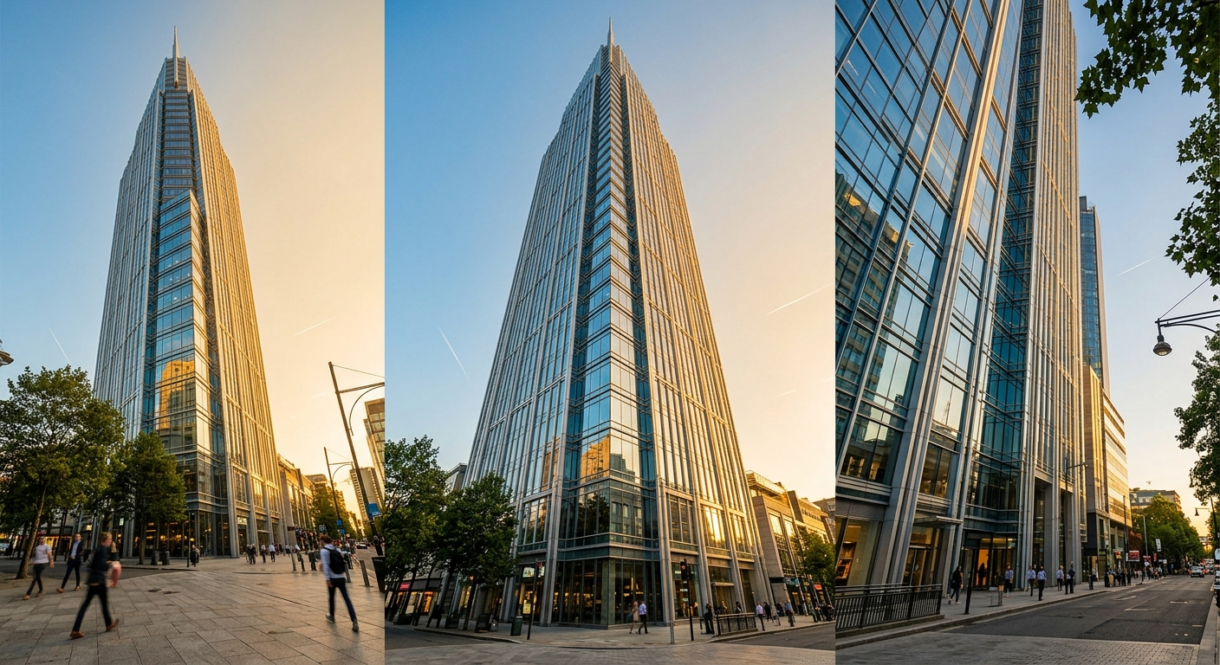
Apex Eco Built earned Poly Group’s trust the unglamorous way: consistent on-time delivery, verifiable quality control across 179+ patents and certifications, and enough factory capacity to never become the bottleneck on a major project. That’s the short answer. The longer answer involves years of proving it project after project — because developers the size of Poly Group don’t sign long-term supply relationships on a good sales pitch. They sign them after watching a manufacturer perform under pressure, more than once.
Here’s something most people outside real estate development don’t realize: a single curtain wall delay can push back an entire tower’s occupancy date by months. For a developer managing dozens of projects across multiple countries, one unreliable supplier in the chain can ripple through the whole portfolio’s timeline and cash flow.
That’s why groups like Poly vet manufacturing partners the way banks vet borrowers — financial stability, factory capacity, certification trail, and a track record of not blowing deadlines. Apex Eco Built’s manufacturing and capabilities profile checked those boxes early, but the relationship didn’t start with a mega-contract. It started with smaller pilot orders that Poly used to stress-test reliability before scaling up.
Most serious developer partnerships follow a pattern: a modest first project, a performance review, then progressively larger commitments. Apex Eco Built went through that exact sequence — and passed at every stage, which is the only reason the relationship exists today.

Talk is cheap in procurement meetings. What convinces a developer is walking a 150,000 m² factory floor and seeing the production capacity firsthand. Poly Group’s engineering teams have done exactly that — inspecting extrusion lines, powder coating booths, and finishing stations before committing to large-scale orders.
Scale matters more than most buyers realize. A manufacturer running a small workshop simply cannot guarantee simultaneous delivery across multiple concurrent tower projects. Apex Eco Built’s facility size means Poly’s regional teams in different countries can place overlapping orders without competing for the same production slots. We covered this dynamic in more detail in Inside a 150,000 m² Aluminum Factory: How Scale Changes What You Can Deliver — and it’s precisely this scale that made a multi-country developer relationship feasible in the first place.
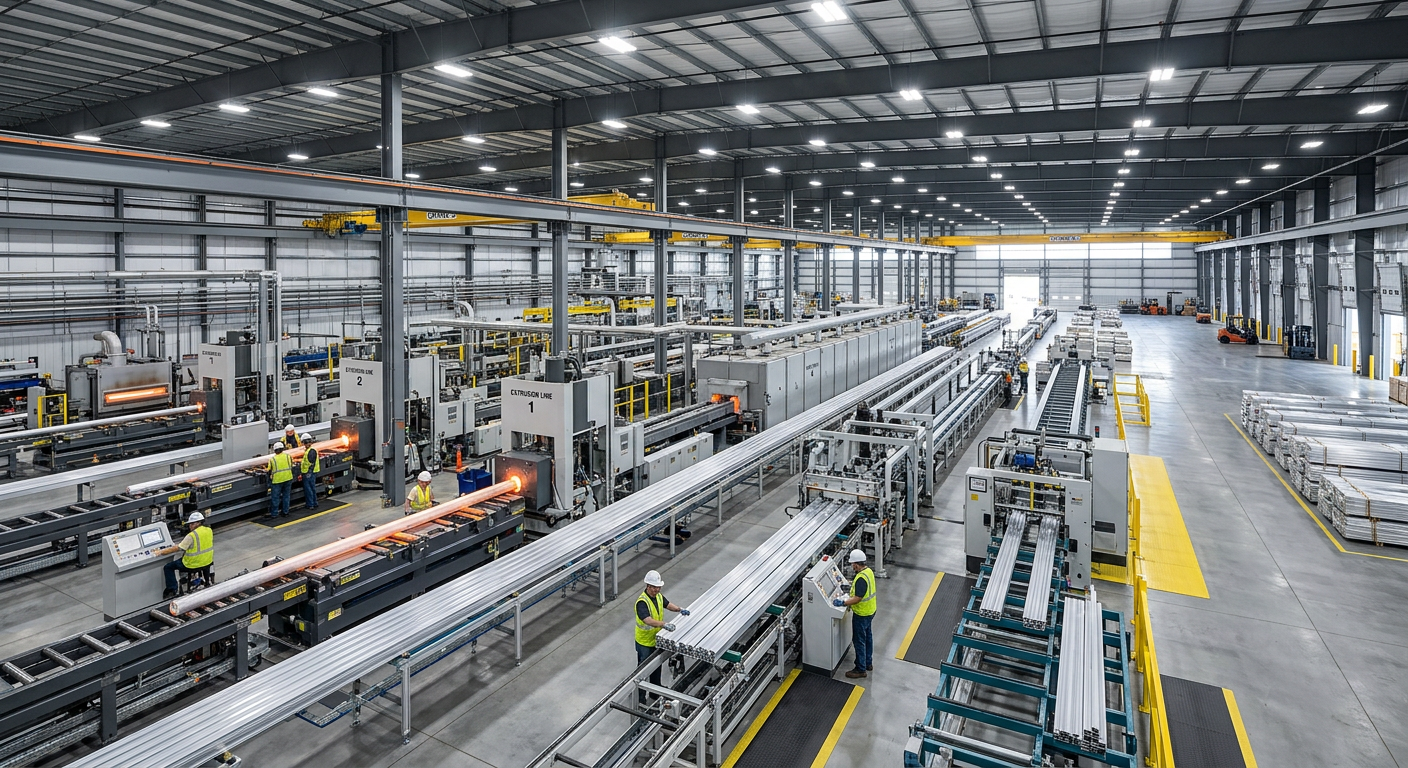
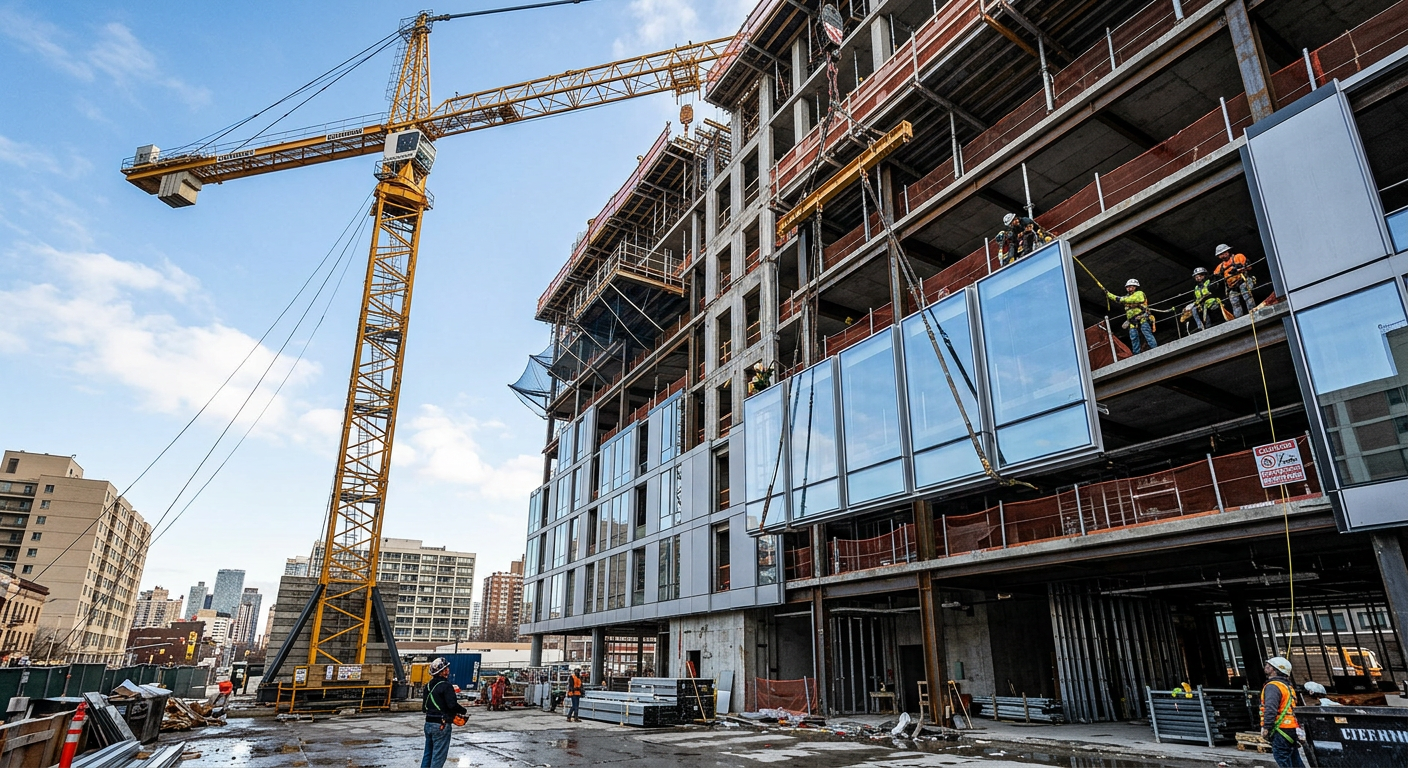
For instance, on one Poly-led mixed-use residential and commercial tower project in Southeast Asia, Apex Eco Built was brought in as the unitized curtain wall supplier after the developer’s original vendor couldn’t meet the revised schedule. The brief was tight: match the existing facade specification, hit a compressed fabrication window, and deliver in phased container shipments to avoid overwhelming the site’s limited staging area.
Apex Eco Built’s team restructured production scheduling to prioritize the tower’s lower-floor panels first, matching the site’s actual installation sequence rather than shipping everything at once. That single adjustment — aligning factory output with real construction sequencing — cut idle inventory on site and kept the installation crew consistently supplied. It’s a small operational detail, but it’s exactly the kind of thing that separates a vendor from a partner.
A supplier that ships fast but ships out of order actually slows a project down — panels pile up on-site with nowhere to go. Understanding installation sequencing, something we also explore in Unitized vs. Stick-Built Curtain Walls: Which One Fits Your Project Timeline and Budget?, is a quieter skill that developers value just as much as raw production speed.
A developer’s compliance team doesn’t read marketing copy; it reads certification files. Apex Eco Built’s ISO9001 and ISO14001 compliance, along with CE and RoHS certifications, gave Poly’s procurement and legal teams something concrete to cross-check against local building codes in each market — whether that’s the Middle East, Southeast Asia, or Europe.
This matters more with cross-border projects than most buyers expect. A material batch that passes inspection in one country can still get flagged in another if documentation doesn’t match international standards. Having a single, consistent certification trail across 80+ countries removed a recurring headache for Poly’s regional teams managing simultaneous developments.
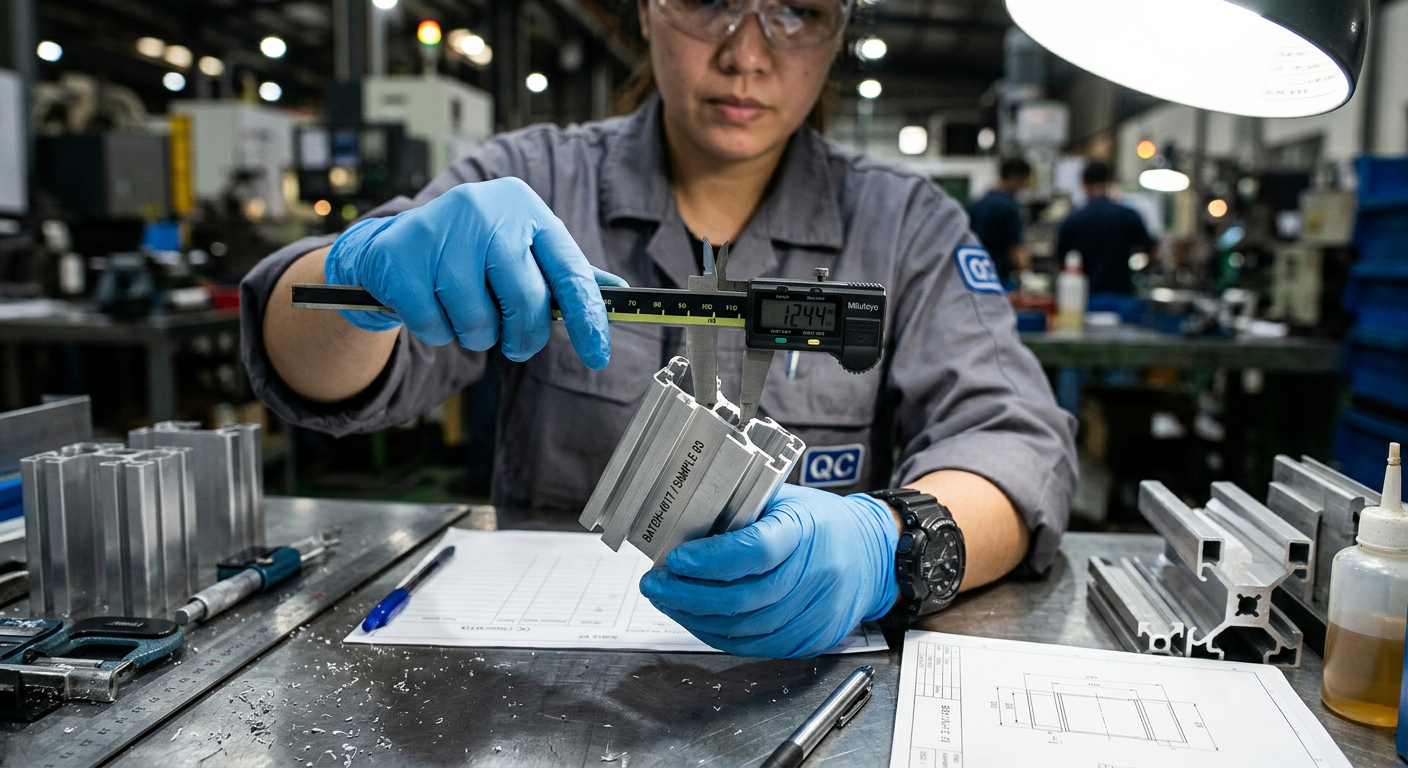
Large developers don’t just place orders and disappear until delivery day — they run structured feedback cycles. After each shipment milestone, Poly’s site engineering team logs installation issues, dimensional tolerances, and finish consistency, then routes that feedback directly back to the manufacturing floor.
Apex Eco Built built internal processes specifically to close that loop fast: adjusting extrusion tolerances or coating batch parameters within days rather than waiting for the next full production run. That responsiveness — not just the initial quality — is what convinced Poly to expand the relationship from single-project supply to a recurring, multi-region arrangement.
If you’re evaluating a manufacturing partner, ask directly how they handle field feedback. A supplier that treats every issue as a one-off support ticket isn’t built for a long-term relationship — one that treats it as manufacturing data worth acting on is.
The partnership hasn’t stayed confined to curtain wall systems. As Poly Group has expanded into resort and hospitality developments in remote or fast-tracked locations, modular building solutions have become part of the conversation too — particularly where traditional construction timelines don’t fit the market window.
This mirrors a broader shift across the hospitality sector, which we’ve written about in Modular Hotels in the Desert: How Resort Owners Are Building Faster in Remote Locations. For a developer already comfortable with a manufacturer’s curtain wall quality, extending trust into modular building supply is a natural next step — the vetting work was already done.
You don’t need to be a conglomerate the size of Poly Group to apply the same evaluation logic. Ask potential suppliers for verifiable factory capacity numbers, not just brochure claims. Request certification documentation up front, not after signing. And start with a smaller pilot order before committing to a multi-project pipeline — that’s exactly the sequence that built this relationship in the first place.
If you’re currently comparing manufacturers, our guide on The 7 Hidden Costs Most Buyers Miss When Sourcing Aluminum Curtain Walls Overseas is a useful next step before locking in a vendor decision.


Arabic

English

Spanish
Fill out the form below and our team will get back to you within 24 hours with a tailored solution.
