
APEX EcoBuilt
Leading Manufacturer of Aluminum Systems & Modular Housing
APEX EcoBuilt
Leading Manufacturer of Aluminum Systems & Modular Housing
 06 Sep, 2026Knowledges
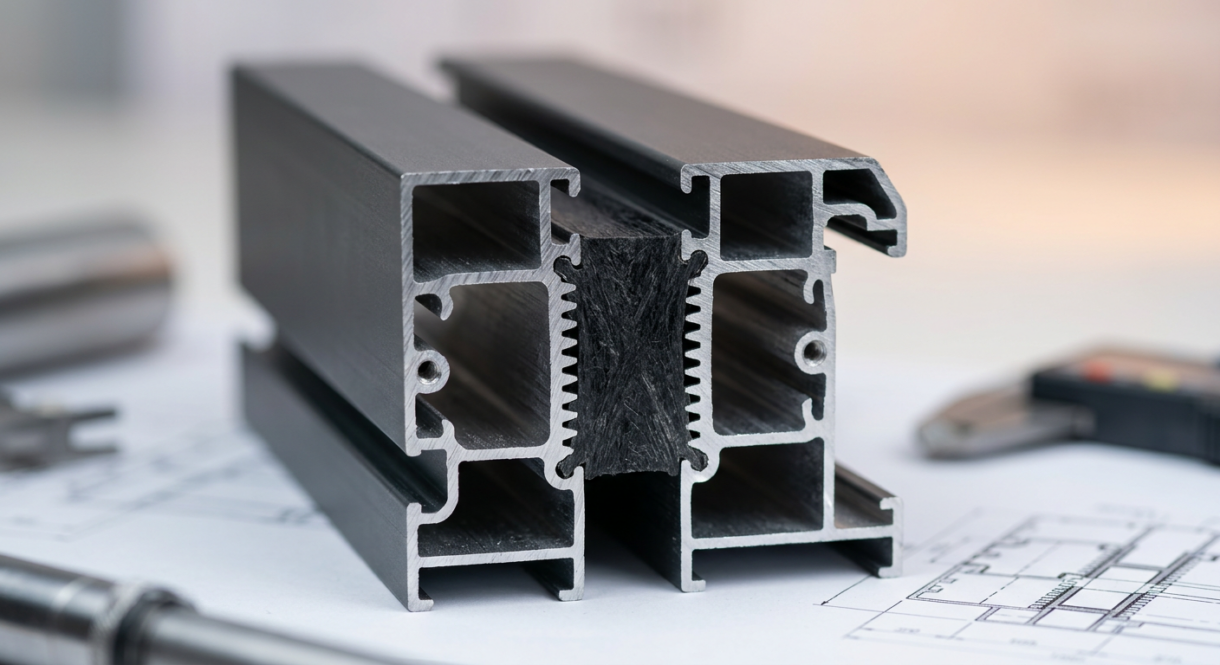
Is aluminum the right material for your build? The honest answer depends on what you're building, where, and which trade-off matters most — weight, corrosion resistance, cost, or raw strength. Here's the property-by-property breakdown, the real downsides nobody puts in the brochure, and a straight framework for deciding when to use it.
Aluminum construction means using aluminum — almost always as an alloy rather than pure metal, since alloying is what gives it the strength pure aluminum lacks — as a structural, cladding, or framing material in buildings. Two alloys account for most of that use: 6061-T6, with a yield strength of roughly 276 MPa, favored for structural framing and machined connection hardware; and 6063, with a yield strength of roughly 145–215 MPa depending on temper, favored for window, door, and curtain wall extrusions where finish quality and extrudability matter more than peak strength. 6061 vs 6063 aluminum breaks down which grade fits which application.
In practice, aluminum construction covers curtain wall framing, aluminum panels, roofing, window and door systems, ceiling systems, and modular or prefab structures. It rarely means aluminum replacing steel as the primary load-bearing frame of a building — that role calls for higher stiffness and lower material cost per unit of structural capacity, which is where steel usually wins.
Four properties explain why architects, contractors, and modular builders keep specifying it for facades, envelopes, and prefab units.
Aluminum's density is about 2.7 g/cm³, roughly a third of steel's 7.85 g/cm³, for a comparable structural role. That difference is what lets a modular unit ship and crane into place with a smaller crane class than an equivalent steel-framed unit, and it's what lowers the load transferred to foundations on retrofit cladding added to a structure that wasn't designed to carry extra dead weight.
Aluminum forms a thin oxide layer on its surface as soon as it's exposed to air, and that layer protects the metal underneath without any additional coating. It's why aluminum performs well as facade material in coastal, humid, and high-rainfall climates where untreated steel needs constant rust protection to hold up against chloride exposure in the air.
Aluminum can be recycled without losing its structural properties, and producing it from scrap through secondary smelting uses roughly 95% less energy than producing new aluminum from bauxite ore through primary smelting. That gap is why recycled-content aluminum carries a meaningfully lower embodied-carbon footprint than virgin material for the same structural performance.
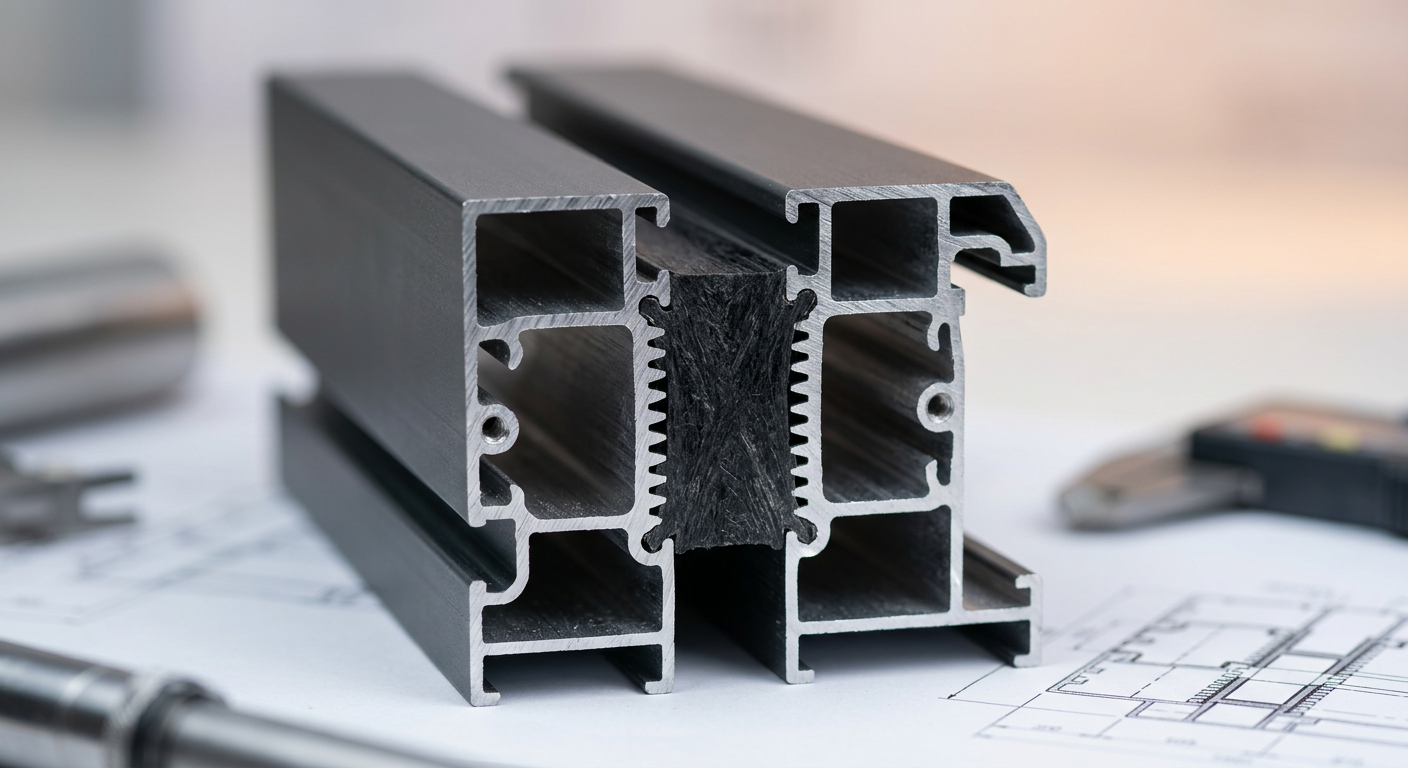
Because aluminum can be extruded, cast, machined, and formed into custom profiles, it supports geometries that steel framing can't easily match — curved facades, slim sightlines, and thermal breaks integrated directly into the profile rather than bolted on afterward. A top hung all-glass curtain wall system is a good example of how far that formability goes: the hanging mechanism and glazing pocket are engineered into the extrusion itself, and the integrated thermal break can reduce the mullion depth needed to control condensation risk compared to a solid, non-broken profile of the same load rating.
Aluminum's advantages come with trade-offs that matter once you're past the pitch and into detailing.
If any of these downsides is a dealbreaker for a project — say, tight budget or heavy structural spans — it's worth working through the specifics before committing to a material. Contact us to walk through project constraints.
| Factor | Aluminum | Steel |
|---|---|---|
| Density | ~2.7 g/cm³ | ~7.85 g/cm³ |
| Upfront material cost | Typically 2–3x higher | Baseline, generally lower |
| Strength/stiffness | Lower per cross-section (6061-T6 yield ~276 MPa) | Higher; better for heavy spans |
| Thermal expansion | ~23 µm/m·K | ~12 µm/m·K |
| Corrosion resistance | Naturally resistant (oxide layer) | Needs coating/treatment to resist rust |
| Maintenance | Low, especially with a good finish | Higher, especially untreated or in wet climates |
This is the trade-off at the center of most aluminum construction pros and cons discussions: aluminum wins on weight, corrosion resistance, and low maintenance; steel wins on raw strength, fatigue resistance, and upfront cost for heavy structural work.
Choose aluminum for: facades and curtain walls, modular or prefab structures, coastal and humid climates, and any project where lighter foundations, smaller crane classes, or faster assembly matter more than maximizing raw structural capacity. A base channel all-glass curtain wall system is a concrete example of where aluminum's strength-to-weight ratio and corrosion resistance both pay off in a single facade application.
Choose steel or another alternative for: heavy structural load-bearing frames, projects on a tight material budget, or builds where minimal thermal-break detailing and lower fatigue risk matter more than shaving structural weight.
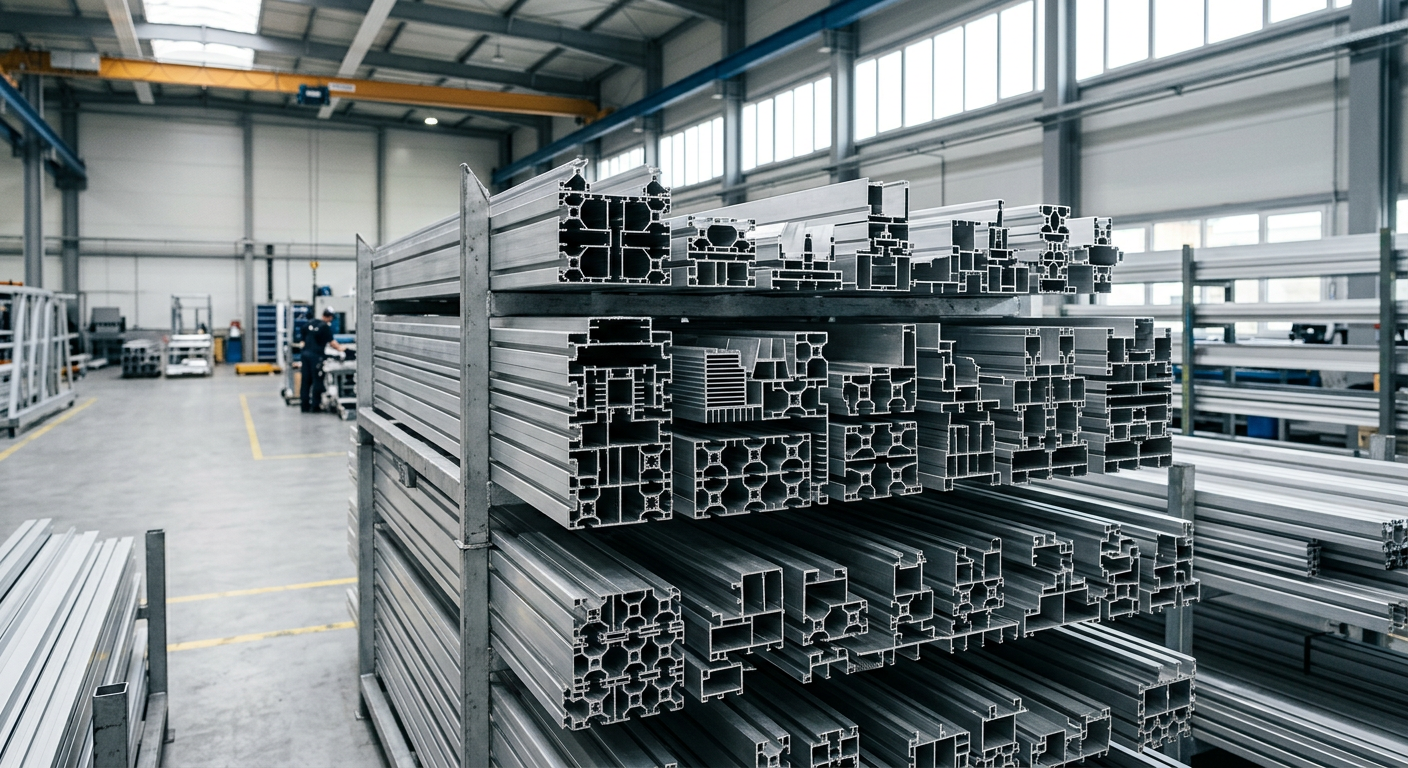
For the full range of extruded profiles, panels, and finishes aluminum construction actually uses on a project, aluminum building materials covers curtain wall framing, panels, and door/window systems in detail. Read more on how these construction pros and cons play out in commercial buildings, where facade weight, cladding corrosion, and maintenance cost all compound at scale.
If weighing aluminum against another system for a specific facade or modular build, get in touch with project details for material-selection help.
What are the downsides of using aluminum in construction?
The main ones are higher material cost than steel, lower strength and stiffness for heavy structural spans, costlier and slower welding, higher thermal expansion that requires thermal-break detailing, strength loss at elevated temperature, galvanic corrosion where it touches steel, fatigue sensitivity under repeated loading, and easier surface damage than steel.
Why don’t we build houses out of aluminum?
Mostly cost and structural fit: aluminum costs roughly 2–3x more than steel for the same load-bearing role, and its lower strength-to-stiffness ratio means larger members are needed to carry a house's structural loads. It's far more common as cladding, windows, and framing components than as the full structural frame of a house.
How long will aluminum last outside?
With its natural oxide layer, and often an anodized or powder-coated finish on top, exterior aluminum components commonly perform for decades with minimal maintenance. Exact lifespan varies by alloy, finish quality, and local climate — including chloride exposure and contact with dissimilar metals — so it's a durability advantage rather than a fixed number.
What are the downsides of aluminum?
As a material generally — not just in construction — aluminum's downsides are higher cost than steel, lower structural strength and fatigue resistance, more difficult welding, strength loss at temperatures above roughly 200°C, and softer surfaces that dent and scratch more easily. These are the same trade-offs that show up in building applications, just framed at the material level rather than the project level.





Arabic

English

Spanish
Fill out the form below and our team will get back to you within 24 hours with a tailored solution.
