
APEX EcoBuilt
Leading Manufacturer of Aluminum Systems & Modular Housing
APEX EcoBuilt
Leading Manufacturer of Aluminum Systems & Modular Housing
 08 Sep, 2026Knowledges
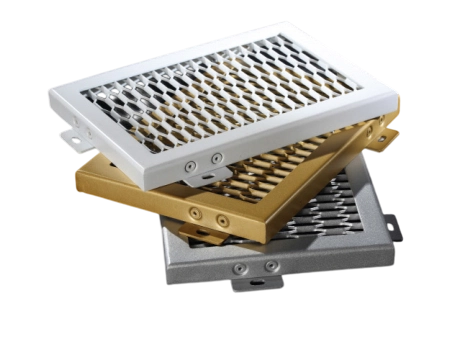
Decorative metal panel materials break into five families: aluminum, steel, copper, brass, and zinc. Each carries a different trade name, weight, and weathering profile, and confusing material with fabrication method is the most common ordering mistake.
"Decorative metal panel" is the umbrella term, but the exact name shifts with fabrication. A punched sheet is a perforated metal panel or screen; a pattern-cut sheet is a laser-cut panel; an open-weave version is a metal grille or lattice. Retail catalogs shorten all of it to "sheet metal decor" — but material name and fabrication name stay two separate labels. For a closer look at how these fabrication styles compare for walls, screens, and facades, that's a separate comparison from raw material selection.
Five materials cover nearly every decorative metal panel on the market:
| Material | Common Alloys | Thickness | Typical Finish | Patina/Maintenance | Material Cost ($/sq ft, typical market range) |
|---|---|---|---|---|---|
| Aluminum | 3003, 5052 | 1.0–3.0 mm | Mill, anodized, powder-coat, PVDF | None — stays corrosion-resistant as-is | $8–$18 |
| Steel / Stainless | 304, 316 stainless; 16–20 ga carbon steel | ~1.2–1.5 mm | Brushed, polished, powder-coat | Low (304/316 stainless); rust risk (carbon steel) | $12–$25 |
| Copper | C11000 | 0.6–1.0 mm | Mill or lacquered | Patinas green-brown over 5–15 yrs outdoors; lacquer needs reapplication | $35–$60 |
| Brass | C26000 | 0.6–1.0 mm | Lacquered or polished | Tarnishes indoors without lacquer; needs polishing | $30–$55 |
| Zinc | Titanium-zinc sheet | 0.7–1.0 mm | Natural or pre-weathered | Patinas within 1–3 yrs outdoors; minimal upkeep after | $20–$35 |
Fabrication — perforated, laser-cut, expanded — layers on top of material choice, not in place of it. Aluminum remains the benchmark for facade-grade decorative panels on cost, weight, and corrosion resistance; see the decorative aluminum panel line for finish and pattern options built on that substrate.
Hardware retailers sell pre-cut aluminum, steel, or galvanized sheets in fixed sizes — commonly 12×24 in. or 24×36 in. — for DIY work like cabinet inserts or crafts, available off the shelf same-day. Project-scale work, like facade cladding or feature walls, goes through a manufacturer instead, built to the drawing set rather than picked off a shelf, with custom sizing and finish. Contact us once material and size are set.
Exterior and facade work generally calls for aluminum or zinc, since both resist weathering with little upkeep once patina forms. Interior feature walls lean toward copper or brass for warmth, since indoor placement avoids weather exposure and keeps tarnish-prevention lacquer intact longer. High-traffic surfaces — stairwells, elevator lobbies, retail storefronts — favor 304 or 316 stainless steel for wear resistance and low patina risk.
Matching material to climate and budget determines total lifecycle cost more than the upfront panel price; the Eco-Friendly Building Materials Guide 2026 breaks down how material selection affects a project's environmental footprint alongside decorative metal choices.
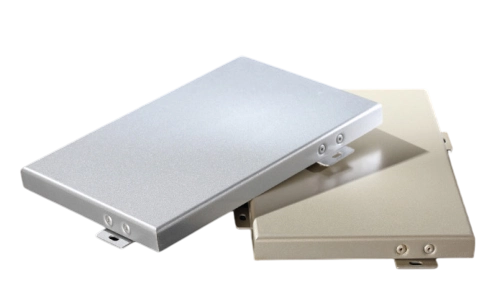
What is decorative metal called?
It's called a decorative metal panel, architectural metal screen, or metal grille, depending on the fabrication applied. Spec sheets list gauge (steel) or millimeter thickness (aluminum, copper, brass) rather than trade name; commercial-grade aluminum sheet typically holds a tolerance around ±0.1 mm at 2 mm thickness, tighter than standard steel sheet stock.
Where can I buy decorative sheet metal?
Pre-cut sheets for DIY work come from hardware retailers in standard sizes, ready to take home the same day. Larger, project-scale panels sized to a drawing set come directly from a manufacturer instead, and custom orders typically run several weeks from order confirmation to production complete, depending on pattern complexity and finish.
What are the different types of decorative metals available?
Aluminum, steel, stainless steel, copper, brass, and zinc cover nearly every decorative metal panel. Aluminum sheet commonly contains a significant share of recycled content depending on the mill, and it expands roughly twice as much as steel with temperature swings — a detail that affects fixing-slot allowances on long panel runs.
What are the different materials used for wall panel decor?
Interior wall panel decor often uses aluminum, copper, or brass for finish options and lighter weight, since interior walls skip weather exposure. Exterior wall panels lean toward aluminum, zinc, or stainless steel instead, chosen for corrosion resistance under sun and rain.
Are decorative metal panels fire-rated?
Aluminum, steel, and zinc are non-combustible and typically test as ASTM E84 Class A or EN 13501 Class A2-s1,d0, the top ratings for surface-burning and reaction-to-fire performance. Copper and brass test similarly as bare metal, though lacquer coatings and backing materials in the full assembly determine the system's actual rating, not the panel alone.
How are decorative metal panels fixed to a wall or frame?
Smaller panels are typically screwed, clipped, or adhered to a substrate, depending on weight and location. Larger architectural panels usually mount on a supporting rail or bracket sized to the material, since heavier metals like steel or copper need sturdier fixings than aluminum.
Once a material is settled, perforation ratio, pattern depth, and finish — anodized, powder-coated, or PVDF — determine how the panel reads once installed and how it holds up at the site's exposure level. Contact us to spec a custom decorative metal order matched to material, pattern, and budget.





Arabic

English

Spanish
Fill out the form below and our team will get back to you within 24 hours with a tailored solution.
