
APEX EcoBuilt
Leading Manufacturer of Aluminum Systems & Modular Housing
APEX EcoBuilt
Leading Manufacturer of Aluminum Systems & Modular Housing
 04 Sep, 2026Knowledges
By the APEX EcoBuilt Content Team — last reviewed March 2026
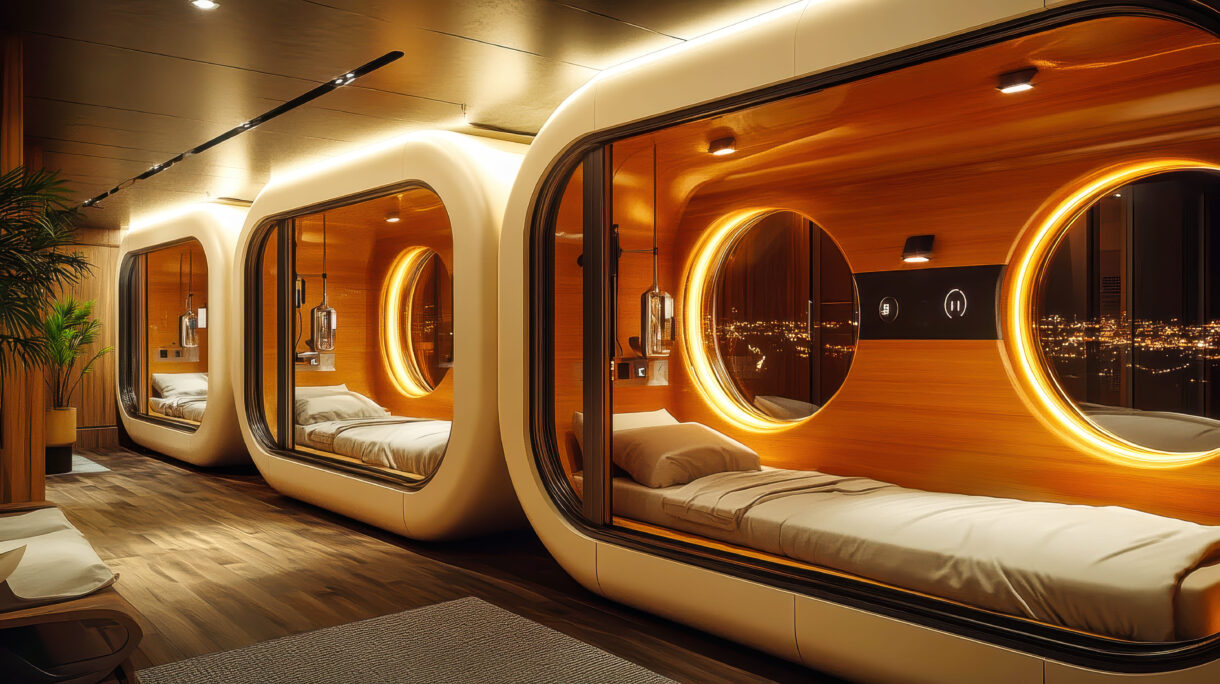
Capsule house cost runs from about $8,000 for a basic insulated shell to $120,000 or more for a premium, curved-shell pod unit — a spread that depends on tier and finish level far more than on square footage alone. Because the footprint is so small, finished units typically price out at roughly $200–$400 per square foot once bathroom, kitchenette, glazing, and interior finish are included — the fixed cost of a wet wall and an engineered shell is spread over very few square feet. Buyers comparing a capsule house price USA-built versus imported should also add freight, duties, and crane placement, which are covered further down.
Matching a real unit spec to your project — not a market average — determines your actual capsule house cost; APEX EcoBuilt manufactures the space capsule and modular capsule units priced throughout this guide directly from its own factory. In the United States specifically, that factory unit price is only the starting line: import duties, domestic freight from the port, foundation and utility hookups, and local permitting typically add another 30–70% before a unit is livable on site, split across duties, freight, foundation work, utility hookups, and permitting fees.
Capsule houses fall into four tiers, sorted by finish level and inclusions rather than size alone, because tier — not square footage — determines which end of the market range applies to a given unit.
| Tier | Approx. size | What's typically included | Market price range |
|---|---|---|---|
| Basic shell | 80–150 sq ft | Insulated aluminum/steel shell, simple finish, no full bathroom or kitchen | $8,000 – $22,000 |
| Standard studio | 120–220 sq ft | Turnkey micro-studio: bathroom, small kitchenette, standard glazing | $25,000 – $45,000 |
| Premium capsule | 200–320 sq ft | Upgraded finishes, better insulation, smart controls, larger windows | $48,000 – $80,000+ |
| Space-capsule design | 150–300 sq ft | Curved/pod-style shell, panoramic glazing, more complex structural engineering | $55,000 – $120,000+ |
These ranges are compiled from 2025–2026 capsule-house and space-capsule market listings, not a quoted APEX price — treat them as a starting budget, not a final number. The gap between the top and bottom of each tier comes down to interior finish level, glazing spec, and whether the unit ships as a bare shell or fully fitted.
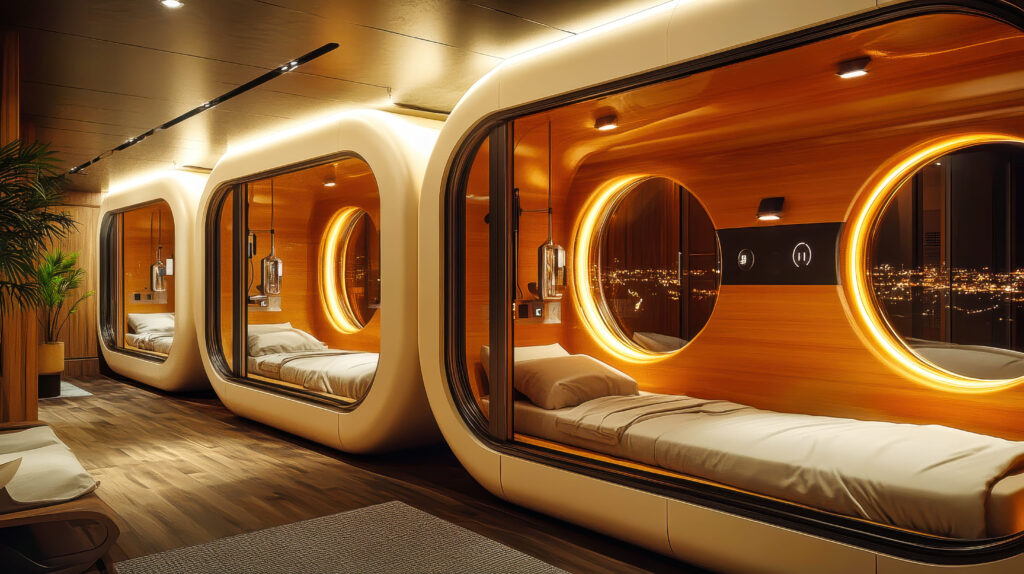
Almost no manufacturer publishes a fixed retail price for capsule houses, and it isn't because pricing is hidden — the final number moves with three variables that differ from order to order.
Quantity. A single backyard-ADU buyer and a resort developer ordering ten units for a glamping site are quoted differently. Volume orders spread tooling and production setup costs across more units, which lowers the per-unit price before shipping is even factored in.
Customization. Interior finish level, glazing spec (single vs. double-glazed, Low-E coatings), exterior coating, and layout changes (adding a bathroom, upgrading the kitchenette) all shift material and labor cost. A bare shell and a fully fitted unit of the same footprint can differ by tens of thousands of dollars.
Factory-direct vs. reseller markup. Buying directly from the manufacturer typically removes a distributor or marketplace markup layer. APEX EcoBuilt, which builds its units in-house at a 150,000 m² plant and draws on two decades of aluminum manufacturing plus 179+ patents and certifications, quotes space capsule and modular capsule units straight from production. The same unit listed through a reseller or online marketplace often carries a higher price than the factory-direct equivalent for an identical spec, because the reseller is adding margin on top of the base unit cost without changing what's built. This is the main reason capsule house factory price and marketplace listing price rarely match.
None of this makes pricing a black box — it means a real number requires a conversation about unit count, finish level, and destination. Contact APEX EcoBuilt with those three details for a quote that reflects your project rather than a market average.
Most capsule houses sold into the US market are manufactured overseas and shipped in, which means the factory unit price is only part of the total landed cost. USA buyers need to budget for costs that never appear on a factory price sheet:
APEX EcoBuilt's Canadian Modular Housing Project illustrates how far unit price sits from total landed cost on a cross-border delivery: shipping, site-specific foundation work, and utility connections were priced and scheduled separately from the manufactured unit itself. As a worked example using 2024–2025 prefab housing cost data reported by HomeAdvisor and Angi, a $35,000 standard-tier unit commonly picks up $18,000–$55,000 in shipping, foundation, utilities, permitting, and site-prep costs, bringing total project cost to roughly $53,000–$90,000+. That's a 50–70% addition on top of the factory price, and it's the single biggest reason a capsule house project goes over budget after the unit has already shipped.
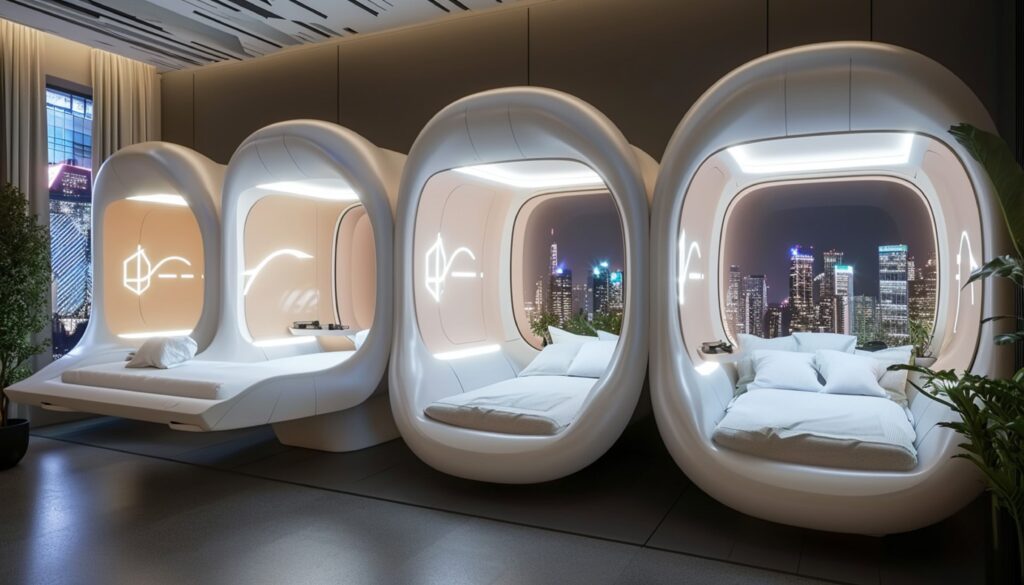
Beyond tier and destination, four specific levers move the final number more than anything else.
A single-capsule unit costs less than a stacked or multi-unit configuration, but the relationship isn't linear — adding a second bedroom or a second level adds structural connection points, plumbing runs, and roofing detail on top of the raw square footage, so cost per added square foot on a multi-room unit is often higher than the base unit's per-square-foot rate.
Aluminum framing cost drives the shell price for every tier before interior finish is even added — aluminum extrusions cost breaks down how profile weight, alloy choice, and finish coating change raw material pricing. Interior finish (solid wood panels vs. basic laminate), glazing spec, and insulation thickness are the biggest remaining swing factors within a single tier — two units of identical footprint and shape can land at opposite ends of a price range purely based on these choices.
Layout changes — moving the bathroom, widening a window, adding a second entry — require re-engineering, not just a different finish selection. Exterior color and coating changes are comparatively minor cost adders; structural layout changes are not.
Single-unit orders carry the full weight of setup and tooling cost. Multi-unit orders for a hospitality or resort project spread that cost across the batch, which is why per-unit pricing on a six-unit resort order is rarely a simple multiple of the single-unit price.
Capsule houses sit at the higher end of the price-per-square-foot spectrum among compact housing types, largely because of the curved-shell engineering and finish density packed into a small footprint:
| Housing type | Typical price per sq ft | Notes |
|---|---|---|
| Capsule house | $200 – $400 | Fastest factory turnaround per unit; limited footprint expansion |
| Tiny house (prefab) | $150 – $250 | Wood-frame construction, more layout flexibility |
| Shipping-container home | $100 – $200 | Steel shell; often needs retrofit insulation and utility work |
| Light steel villa (multi-room) | $80 – $150 | Larger footprint, closer to conventional residential standards |
The capsule house's higher per-square-foot cost buys speed and a compact, self-contained footprint — it isn't the cheapest way to add square footage, but it's often the fastest way to add a finished, livable unit to a site. Larger multi-room builds run on different cost economics entirely: modular construction and affordable housing programs for 2026 breaks down per-square-foot cost at the 2,000+ sq ft scale, where labor and material costs spread across far more floor area.
A market range is useful for budgeting; it's not a quote. To get a number that actually applies to your project, have four things ready before you reach out:
1. Site location — determines import/customs exposure, domestic freight distance, and local permitting requirements.
2. Quantity — single unit vs. multi-unit resort or hospitality order changes both unit pricing and shipping economics.
3. Intended use — a backyard ADU, a hospitality pod for a resort, or a remote-camp unit each call for different finish and code considerations.
4. Finish and layout preferences — bathroom/kitchenette inclusion, glazing spec, and any layout customization.
A capsule house's core shell design and standard layouts determine which tier applies before any customization is priced — the capsule house design breakdown covers dimensions and standard configurations in detail. If your project involves capsule units for tourism or hospitality use specifically, contact APEX EcoBuilt with your site location, quantity, and intended use to get a project-specific number.
Are capsule homes legal in the US?
It depends entirely on local zoning and building codes — some jurisdictions classify capsule units as dwellings, others as accessory structures or RV-type units, each with different permitting rules. Always confirm classification and permitting requirements with your local zoning or building department before purchasing.
What is the typical lifespan of a capsule house?
Well-built aluminum- and steel-framed capsule structures are typically rated for 25–50 years of service life, comparable to other steel-framed modular buildings, provided coatings and seals are maintained. Actual lifespan depends on materials, coating quality, and climate exposure, so confirm warranty terms with your specific supplier.
How much does a Volferda capsule house cost?
Volferda capsule houses typically list in the $40,000–$150,000+ range as of 2025, sitting toward the premium and luxury end of the capsule house market because of brand positioning and finish level. For a comparable spec at a different price point, request a quote directly, since features and finish levels vary between manufacturers even within the same price band.
How much does a 2000 sq ft modular home cost?
A 2,000 sq ft modular home runs on different cost economics than a single capsule unit — modular home cost typically falls around $80–$150 per square foot, putting a 2,000 sq ft build near $160,000–$300,000 before site work. Modular construction and affordable housing programs for 2026 breaks down that cost at the 2,000+ sq ft scale in full.
Is there a capsule house price calculator I can use to estimate my own cost?
There's no universal calculator because price depends on tier, size, finish level, customization, and shipping destination all at once. Matching those five factors to your specific project is what determines a real number — submit your site location, quantity, and intended use through a quote request rather than relying on a generic calculator.
Are capsule houses made in the USA, or imported?
Most capsule houses sold in the US are factory-built overseas and shipped in as complete or near-complete units, typically clearing customs under HTS heading 9406 with a general duty rate around 2.9% as of 2025. That means USA buyers should budget for that duty plus domestic freight from the port of entry, and plan lead time around ocean shipping rather than local production.
How much does a space capsule house cost specifically vs. a standard capsule house?
Space-capsule or pod-style designs sit at the premium end of the market, generally $55,000–$120,000+, because curved-shell engineering and panoramic glazing are more complex to manufacture than a standard rectangular shell. That positions them above basic and standard capsule tiers on price alone.
How much more does a 2-bedroom capsule house cost vs. a single unit?
Multi-room or stacked configurations scale cost with both added square footage and the connection complexity of joining units or adding a second level — cost per added square foot is often higher than the base unit's rate because of the extra structural and plumbing work involved. Get a specific quote once you know your target layout rather than estimating from a single-unit price.





Arabic

English

Spanish
Fill out the form below and our team will get back to you within 24 hours with a tailored solution.
